
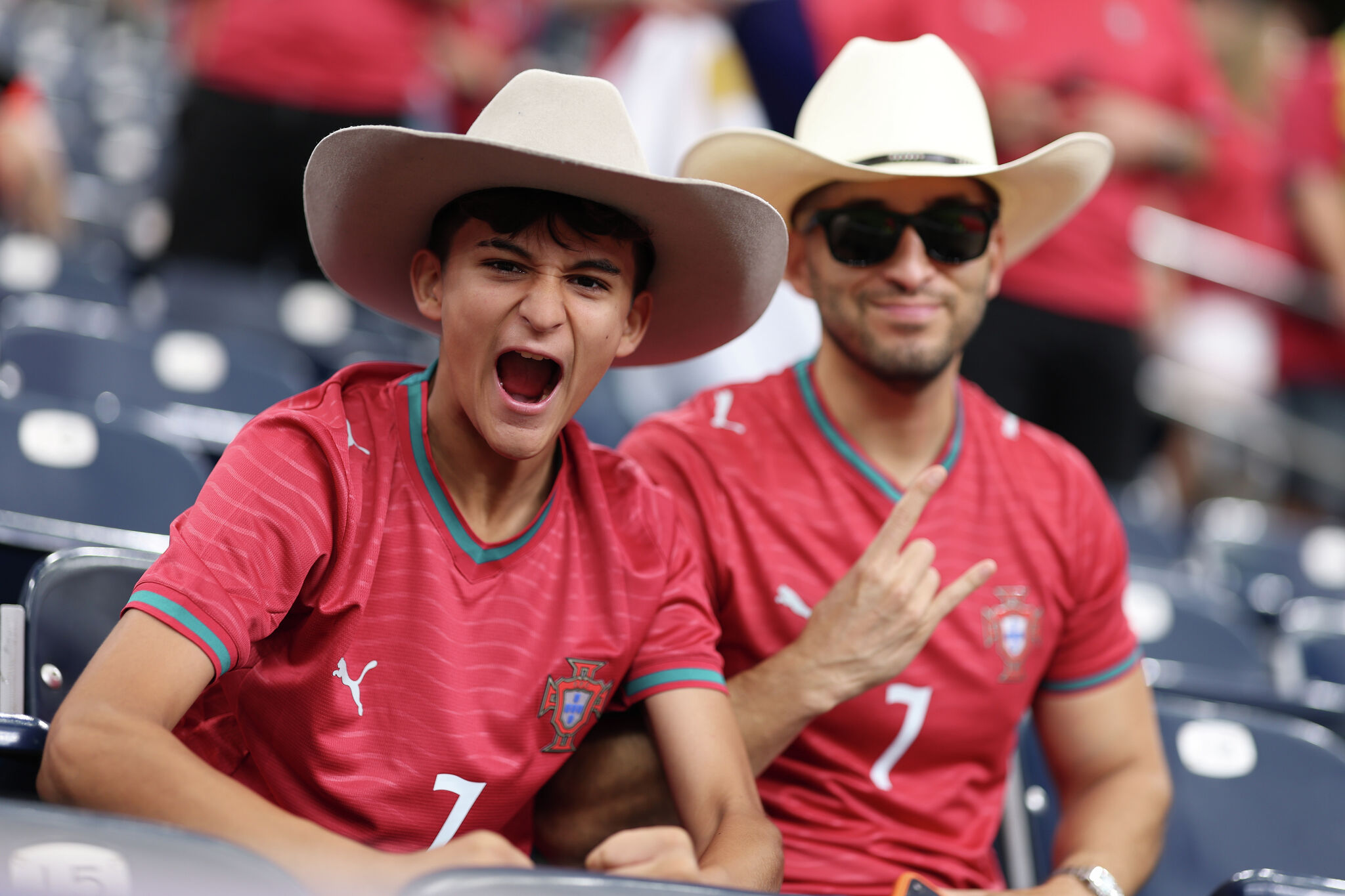
Thousands buy Ronaldo jerseys as fakes flood Houston World Cup
U.S. Customs and Border Protection (CBP) seized over $6 million in authentic and counterfeit FIFA World Cup merchandise at the Port of Houston/Galveston on Wednesday. This enforcement action coincided with the widespread sale of suspected counterfeit Cristiano Ronaldo Puma jerseys by street vendors outside Houston Stadium during a match between Portugal and Congo DR.
Street vendors sold Portuguese national team kits featuring Ronaldo’s No. 7 for $60, while authentic versions retail for $130. Marcos Santos, an Austin resident who traveled to Houston for the game, purchased two matching jerseys from these vendors.
The match ended in a 1-1 draw. Santos reported paying approximately $1,800 to attend the event, highlighting the high cost of participation for fans.
Why are counterfeit World Cup jerseys appearing in Houston?
High demand for the sporting event has led to a surge in illicit merchandise. On Wednesday, CBP officers from the Port of Houston/Galveston Trade Enforcement Unit seized more than 12,000 Adidas soccer jerseys, 4,500 Adidas FIFA soccer balls, and 4,400 pairs of athletic shoes.
Authorities reported that most of these shipments originated from China and were destined for locations within the U.S. and abroad. This follows a seizure three days prior of 18 shipments containing 1,578 items with a combined suggested retail price of $134,594, many of which were Puma counterfeits.
Additionally, a Homeland Security Investigations (HSI) unit in Houston seized nearly $2 million in counterfeit items from a business in southwest Houston two months ago.
What are the risks of buying fake sports gear?
Counterfeiting impacts small businesses that pay for official vendor licenses and cannot compete with lower prices, according to HSI Houston acting Special Agent in Charge Erin Burke. Burke stated that consumers are often “duped out of their hard-earned money” for substandard items.
There are also documented health risks. A 2022 study by the American Apparel & Footwear Association (AAFA) found that 41 percent of counterfeit apparel and goods tested failed to meet regulatory product safety standards.
AAFA president and CEO Steve Lamar stated that failing products contained dangerous levels of lead, arsenic, cadmium, and phthalates. These materials are shown to cause adverse health outcomes even in small amounts.
What happens next for World Cup merchandise enforcement?
CBP and HSI may increase surveillance near stadiums as the tournament progresses. Since thousands of counterfeit jerseys have already been seized in recent months, authorities are likely to maintain a focus on shipments arriving from overseas.

Further seizures of Puma and Adidas merchandise could occur if street vendors continue to operate in high-traffic areas. Small businesses holding official licenses may see continued revenue loss if these illicit markets persist.
Frequently Asked Questions
How much did the counterfeit Ronaldo jerseys cost?
According to fan Marcos Santos, the jerseys were sold by street vendors for $60, compared to a retail price of $130.
What materials were found in counterfeit apparel?
According to the AAFA, some counterfeit goods contained dangerous levels of lead, arsenic, cadmium, and phthalates.
Where did the seized World Cup merchandise originate?
U.S. Customs and Border Protection reported that most of the shipments originated from China.
Would you risk buying a cheaper replica jersey if the official version was too expensive?