
Three Dead in Montreal Shooting in Jewish Quarter
Three people died Monday in a shooting in Montreal’s Côte-des-Neiges Jewish quarter, including a police officer and a bystander. While Quebec Public Security Minister Ian Lafreniere reports the motive is unknown, the Zaka emergency service highlighted the event’s proximity to a Chabad-Lubavitch center, suggesting the possibility of a targeted attack.
Why is security increasing in Jewish urban centers?
Urban centers with high concentrations of Jewish businesses and religious sites are shifting toward “hardened” security models. This trend involves installing reinforced entry points, deploying permanent armed guards, and increasing surveillance. The Montreal incident occurred in a neighborhood known for its Jewish shops and restaurants, making it a focal point for police presence.

According to data from the Anti-Defamation League (ADL), reported antisemitic incidents have risen globally, prompting community leaders to move beyond reliance on local police. Many organizations now integrate private security firms with state law enforcement to create overlapping layers of protection.
How do cities balance open access with high-security zones?
Municipalities face a growing challenge in maintaining the “open” nature of residential neighborhoods while implementing tactical security. In Côte-des-Neiges, police completely closed the area to traffic during the investigation, a move that ensures scene integrity but disrupts local commerce and movement.
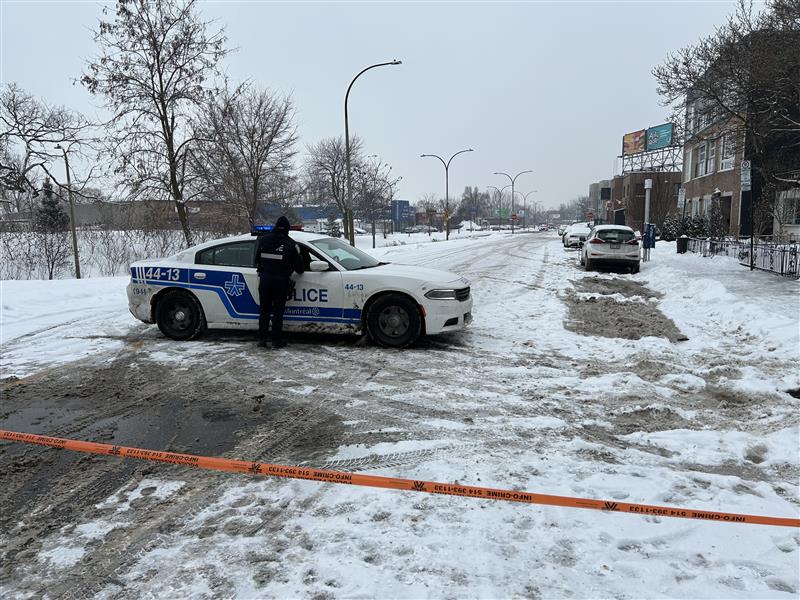
Future urban planning in these districts is likely to incorporate “invisible security.” This includes bollards disguised as street furniture and AI-driven camera systems that can detect weapons in real-time. The goal is to prevent the “fortress effect,” where high walls and fences alienate the community from the rest of the city.
The role of private-public partnerships
The Montreal shooting highlights a recurring gap in communication between official state channels and community-led response teams. While the SPVM (Service de police de la Ville de Montréal) focused on the immediate tactical threat, Zaka immediately flagged the location’s proximity to a Chabad-Lubavitch center.
This contrast shows a trend where community organizations provide the cultural and geographic context that state police may overlook during the initial chaos of an active shooter event.
What happens to police response tactics after urban shootings?
Police departments are moving away from “contain and wait” strategies toward immediate tactical intervention. The Montreal incident resulted in the death of one officer and the injury of another, underscoring the extreme risk faced by first responders in active shooter scenarios.
According to tactical training standards adopted by many North American agencies, the priority has shifted to neutralizing the threat as quickly as possible to prevent bystander casualties. This often leads to higher-intensity confrontations, as seen in the social media footage of the suspect being apprehended in military-style gear.
Comparative Response Analysis
| Perspective | Official Police Stance (SPVM) | Community Response (Zaka) |
|---|---|---|
| Motive | Currently unknown/under investigation. | Did not rule out a targeted attack. |
| Focus | Public safety and scene containment. | Protection of religious centers. |
Frequently Asked Questions
Was the Montreal shooting a terror attack?
The SPVM and Quebec Public Security Minister Ian Lafreniere have not confirmed a motive. While Zaka mentioned the proximity to a Chabad center and didn’t rule out an attack, official confirmation is pending the investigation.

Who was affected in the Côte-des-Neiges incident?
Three people died: the perpetrator, one police officer, and one bystander. A female police officer was injured during the event.
Is the area currently safe?
Police reported that the immediate danger has ended and the area is secured, though specific streets remained closed for the ongoing investigation.
For more updates on urban security and global safety trends, explore our latest analysis or subscribe to our newsletter for deep-dive reports.
Join the conversation: Do you think increased security “hardening” makes communities safer, or does it create an atmosphere of fear? Let us know in the comments below.