

Three New Ebola Vaccine Candidates Fast-Tracked for Bundibugyo Virus Outbreak
Public health efforts to combat the Ebola outbreak in the Democratic Republic of the Congo (DRC) and Uganda have received a significant boost this week. Authorities have confirmed a reduction in the total number of cases and deaths, while a new infusion of up to US$62 million in funding has been secured to accelerate the development of vaccines specifically targeting the Bundibugyo virus currently circulating in the region.
As of June 2, health officials in the DRC reported 344 confirmed cases and 60 related deaths. Uganda has recorded 15 confirmed cases and one death. These figures represent a notable downward adjustment from previous estimates, which had placed the number of suspected cases at more than 1,000.
Did You Know?
Existing Ebola vaccines, such as Ervebo and Zabdeno/Mvabea, are effective against the Zaire Ebola virus but do not provide protection against the Bundibugyo virus due to differences in the viruses’ surface proteins.
The Race for a Targeted Vaccine
The Coalition for Epidemic Preparedness Innovations is providing the new funding to fast-track the creation of a vaccine tailored to the Bundibugyo strain. Three primary candidates are currently under development:
- IAVI Vaccine: Identified by a World Health Organization expert panel as the most promising candidate, this single-dose vaccine has shown success in protecting macaque monkeys. Clinical trials are estimated to be seven to nine months away.
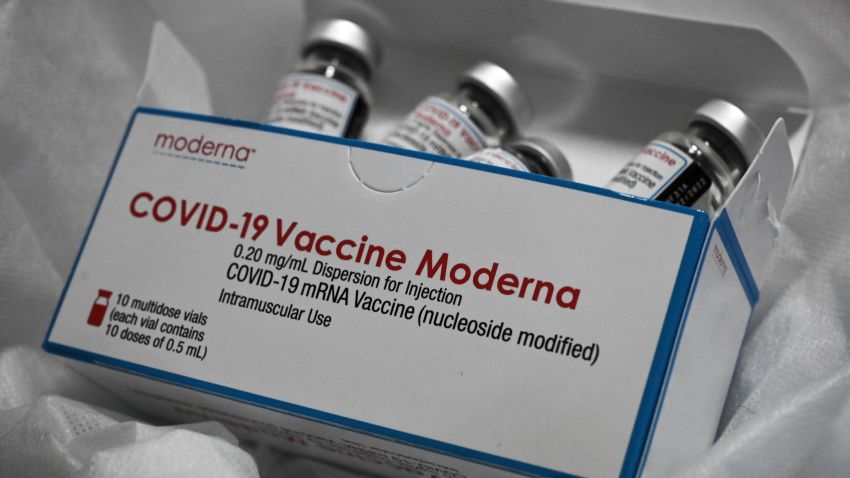
- Moderna Vaccine: This project utilizes mRNA technology to target the surface glycoprotein of the Bundibugyo virus. Funding will support both preclinical laboratory studies and subsequent human clinical trials.
- University of Oxford Vaccine: Developed with the Serum Institute of India, this candidate uses technology similar to the Oxford/AstraZeneca COVID vaccine. It could potentially enter clinical trials within two to three months, pending necessary animal data.
Expert Insight:
While the influx of funding is a positive step, the path from laboratory to the field remains complex. Developing a vaccine is only the first hurdle; successful deployment requires overcoming logistical challenges, including operating in remote or conflict-affected areas, and navigating the difficulties of recruiting volunteers amidst misinformation surrounding vaccination.
Navigating Future Challenges
While these candidates offer hope, the immediate response to the outbreak continues to rely on basic infection control measures. Analysts expect that even if a vaccine proves safe and effective, the process of manufacturing at scale and delivering it to front-line responders and high-risk populations will require significant coordination.
The development of these vaccines is viewed as a critical tool, not only for the current crisis but for managing potential future outbreaks of the Bundibugyo strain. Success will depend on the ability to conduct rigorous clinical trials in regions where healthcare resources are limited and security concerns may persist.
Frequently Asked Questions
Why are current Ebola vaccines not being used for this outbreak?
The current outbreak is caused by the Bundibugyo Ebola virus. Existing vaccines are specifically approved for the Zaire Ebola virus and are not effective against the different surface proteins found on the Bundibugyo strain.

How many doses of the new vaccines might people need?
For the University of Oxford candidate, experts suggest that a single dose could be sufficient for contacts of infected individuals, while high-risk unexposed populations, such as healthcare workers, might require two doses.
What is the main method for controlling the outbreak right now?
Until a specific vaccine for the Bundibugyo virus is developed and approved, basic infection control remains the primary strategy for managing the spread of the virus.
What measures do you believe are most effective in addressing the challenges of vaccine misinformation in public health crises?