

Thyroid function linked to chronotype or daytime sleepiness in women with Hashimoto’s thyroiditis
Hashimoto’s thyroiditis (HT) is a complex autoimmune condition that disproportionately affects women, with a prevalence rate two to seven times higher than in men. For many living with this diagnosis, the struggle with daily fatigue goes beyond simple exhaustion, prompting researchers to examine how thyroid function might be intrinsically linked to sleep patterns and biological rhythms.
The Intersection of Thyroid Health and Sleep
A recent pilot study conducted with 106 women, aged 43 ± 12 years, sought to clarify the relationship between thyroid biomarkers and sleep habits. By utilizing the reduced Morningness-Eveningness Questionnaire (rMEQ) and the Epworth Sleepiness Scale (ESS), researchers assessed how these patients function throughout the day and night.
The findings indicate that approximately one-third of the women studied experience an evening chronotype, while another third report increased daytime sleepiness. The data revealed that thyroid-stimulating hormone (TSH) and thyroglobulin antibodies (TgAb) are significantly associated with daytime sleepiness, suggesting that the clinical markers of Hashimoto’s may play a role in how patients experience their daily wakefulness.
What This Means for Future Care
The study highlights a significant link between free triiodothyronine (fT3) levels and chronotype, with higher levels observed in those with an evening preference. Because TgAb levels were also found to be higher in women experiencing increased daytime sleepiness, clinicians may eventually look toward these biomarkers as potential indicators of sleep-related challenges in HT patients.
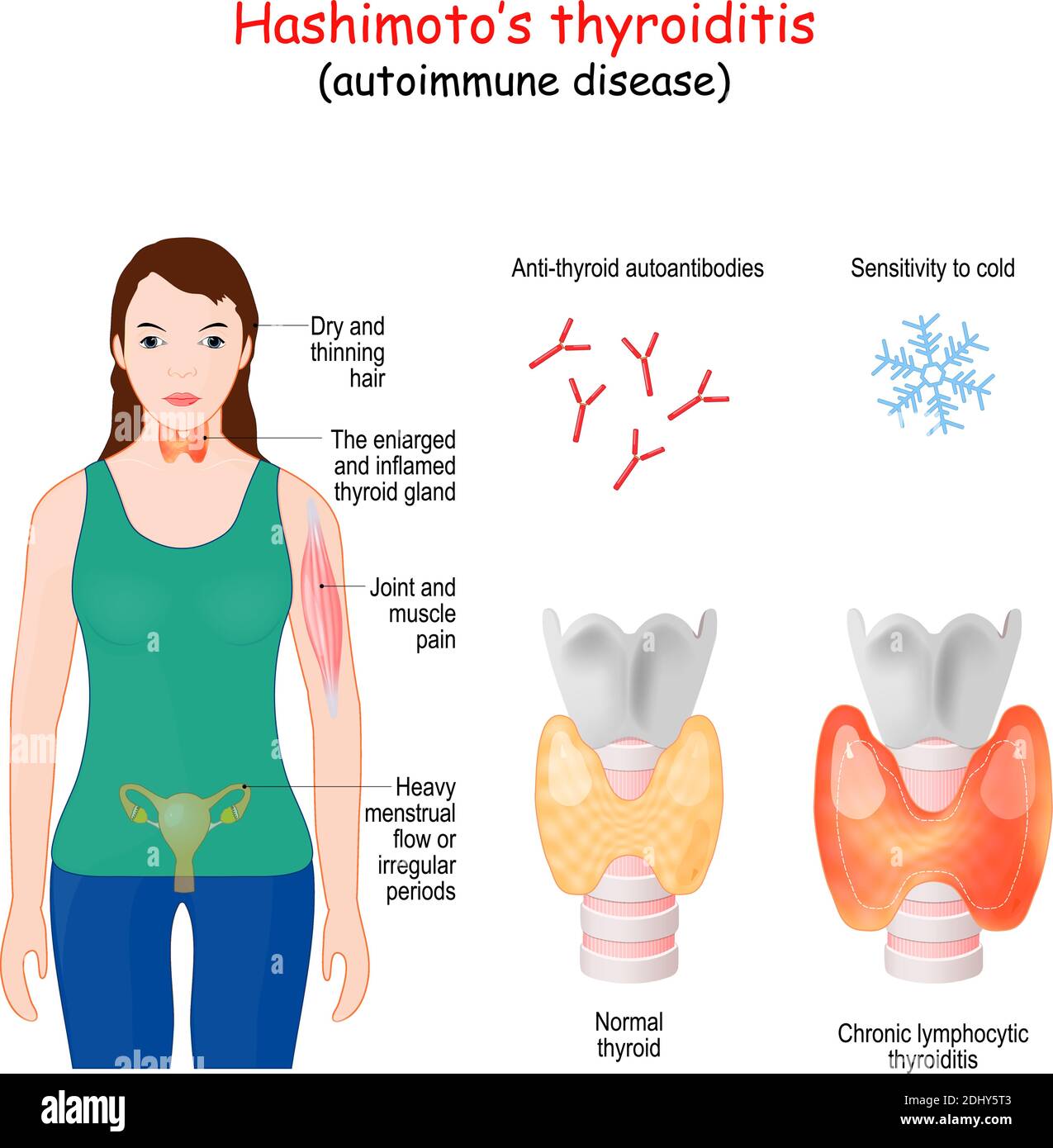
As research continues, future diagnostic protocols could incorporate sleep assessments alongside traditional laboratory panels. Further investigation into the underlying biological mechanisms is required to understand how these thyroid markers influence the internal clock, which could eventually lead to more personalized treatment strategies for women navigating the chronic nature of Hashimoto’s.
Frequently Asked Questions
How common is daytime sleepiness in women with Hashimoto’s?
In the study, approximately one-third of the women with Hashimoto’s thyroiditis reported experiencing increased daytime sleepiness.
Are there specific thyroid markers linked to sleep and chronotype?
Yes, the study identified that thyroglobulin antibodies (TgAb), free triiodothyronine (fT3), and thyroid-stimulating hormone (TSH) were significantly associated with either daytime sleepiness or an individual’s chronotype.
What does the research suggest about chronotype distribution in this group?
The majority of the women (61.3%) had an intermediate chronotype, while about one-third were categorized as having an evening chronotype. Only 0.9% of the participants exhibited a morning chronotype.
How do you manage your energy levels throughout the day when dealing with chronic health conditions?