

Tiger Mosquito Prevention: How to Protect Your Home and Family
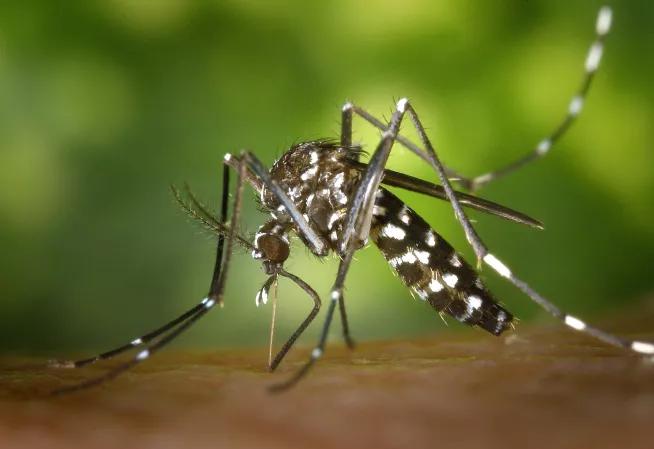
The tiger mosquito, known scientifically as Aedes albopictus, has established a firm presence across France, with a particularly dense foothold in the Auvergne-Rhône-Alpes region. Often dismissed as a mere nuisance, this invasive insect represents a genuine health concern, as it is capable of transmitting viral diseases including dengue, chikungunya, and Zika. As warmer temperatures arrive earlier in the season and urban environments provide ideal conditions for their proliferation, understanding how to mitigate their impact has become a public health priority.
The Challenge of an Invasive Species
The tiger mosquito is highly adaptable, thriving in both urban settings and areas where winters are becoming progressively milder. Because these mosquitoes often lay eggs that can survive the winter months, the threat cycle begins early in the spring. Relying solely on large-scale chemical operations is not a sustainable solution, as these measures primarily target adult insects rather than the eggs or larvae, and repeated use may lead to increased resistance.
Practical Steps for Prevention
The primary strategy for controlling the tiger mosquito is the elimination of stagnant water, which serves as a necessary breeding ground for the species. Property owners should conduct a weekly inspection of their exterior spaces between April and November to empty any containers that collect water, such as flowerpot saucers, buckets, discarded toys, and tarpaulin folds. Adding sand to saucers can allow water to drain for plants while preventing the female mosquito from laying eggs.
Additional maintenance is required for larger water reservoirs. Rainwater collectors should be secured with tight-fitting mosquito netting, and gutters or downspouts must be cleared of debris, such as fallen leaves, which trap moisture. In gardens, keeping vegetation trimmed and limiting dense, shaded, and humid areas can reduce the resting spots available to adult mosquitoes, effectively discouraging them from settling in your immediate environment.
What Lies Ahead
As the tiger mosquito continues to adapt to our changing climate and urban landscape, its geographic reach is likely to persist or expand. If residents do not adopt consistent, long-term prevention habits, the presence of these insects may become a permanent feature of the warmer months. Conversely, if communities coordinate their efforts to maintain dry environments—particularly in shared spaces—it is possible to significantly reduce the local mosquito population and minimize the associated health risks.
Frequently Asked Questions
Why is it important to remove stagnant water?
Stagnant water provides the necessary environment for the tiger mosquito to lay eggs. By removing items like buckets, saucers, and clogged gutters, you eliminate the breeding sites required for their life cycle to continue.
Are chemical treatments effective against tiger mosquitoes?
Operations aimed at killing adult mosquitoes do not address the eggs or larvae. The repeated use of such treatments may result in the mosquitoes developing resistance, making consistent environmental management the most reliable strategy.
How far does a tiger mosquito typically travel?
The tiger mosquito generally stays within a radius of about 150 meters from where it was born. This makes local, neighborhood-wide cooperation essential, as a single untreated property can facilitate an invasion for the surrounding area.
Have you identified any potential water-collecting hazards in your outdoor space that could be addressed this week?