
TikTok Wins Approval For A $25 Billion Thailand Data-Center Buildout
Thailand has officially cleared a massive $29 billion investment package for data infrastructure, with TikTok serving as the anchor tenant for a $25 billion expansion. According to the Bangkok Post, this move designates Thailand as a primary hub for AI and cloud workloads in Southeast Asia, concentrating server farms across the Bangkok, Samut Prakan, and Chachoengsao provinces.
Why Thailand is Winning the Regional AI Land Grab
Thailand is positioning itself to capture the “overflow” demand that neighboring Singapore can no longer accommodate. For years, Singapore has constrained new data-center construction due to strict power and land-use regulations. Malaysia’s Johor state successfully capitalized on this shift, and now, Thailand is executing a similar playbook to ensure it doesn’t lose out to regional competitors.

The geographic strategy here is deliberate. By spreading infrastructure across three provinces, operators like TikTok can distribute their power load, build in necessary redundancy, and place compute capacity closer to the dense population centers that consume their content. This is not just about building warehouses; it is about physically locating the “brains” of AI recommendation engines as close to the end-user as possible to minimize latency.
The AI-Infrastructure Connection
While these projects are often labeled as “data centers,” they are effectively AI factories. TikTok’s expansion is designed to house the compute and storage required to train and serve its recommendation algorithms, content-moderation models, and generative-AI tools. These workloads are significantly more power-hungry than traditional web hosting.
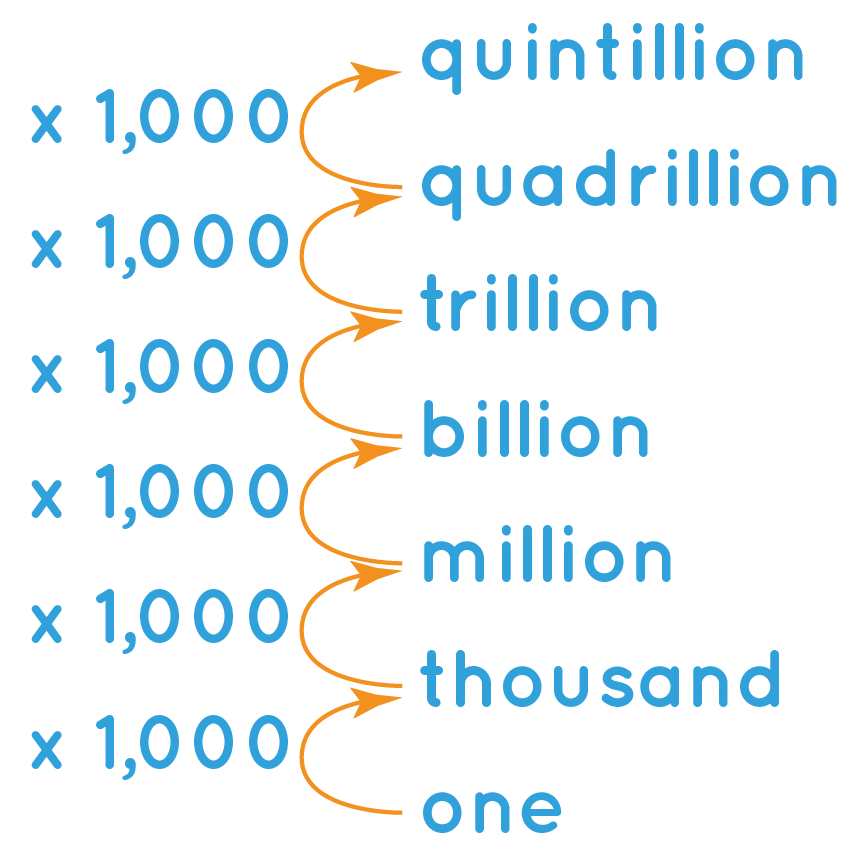
This investment aligns with a broader global trend. Industry projections reported by TNGlobal suggest the world’s top five hyperscalers are on track to spend over $600 billion on infrastructure by 2026, with the vast majority earmarked for AI. TikTok’s $25 billion commitment is a major slice of this capital wave, signaling that Southeast Asia is now a non-negotiable territory for the global AI arms race.
What Happens to Local Communities?
Large-scale data centers bring immense capital but relatively few permanent jobs. To address this, TikTok has committed to local digital-literacy and e-commerce training programs for Thai entrepreneurs. This is a strategic move to secure government buy-in, as host nations increasingly require “economic dividends” to justify the strain these facilities place on local water and electricity grids.
The potential friction point lies in resource management. Modern AI data centers can consume as much electricity as a small city. As the concrete is poured in Chachoengsao, the long-term success of this project will depend on whether Thailand’s power grid can keep pace with this sudden, massive demand without triggering local grievances over utility costs or water availability.
Frequently Asked Questions
- What is the total value of the approved projects?
The Thai Board of Investment approved six projects totaling 958 billion baht, or approximately $29 billion. - Why is TikTok the primary focus?
TikTok accounts for 842 billion baht ($25 billion) of the total, making it the anchor tenant that signals the country’s readiness for hyperscale AI operations. - How does this affect local employment?
While the facilities themselves are highly automated, TikTok has pledged to provide digital-literacy and e-commerce training to help develop the Thai digital workforce. - Why not just build in Singapore?
Singapore has reached its capacity limits for power and land, forcing hyperscalers to look at neighboring countries like Thailand and Malaysia to host their regional compute infrastructure.
What do you think about the trade-offs between massive digital infrastructure projects and local resource consumption? Share your thoughts in the comments below, or subscribe to our newsletter for the latest updates on the regional tech landscape.
