
Today’s Mortgage Rates: June 13, 2026, 30-Year Fixed and Refinance Rates
Mortgage rates moved lower across fixed and adjustable products as of Saturday, June 13, 2026, according to data from the Zillow lender marketplace. The 30-year fixed mortgage rate dipped by 1 basis point to 6.35%, while the 15-year fixed rate saw a 7-basis-point decline to 5.78%. Market participants also saw the 5/1 ARM fall by 6 basis points to 6.30%.
Did You Know? Mortgage lenders utilize varying methodologies to compile rate data, which explains why figures can differ between sources. For instance, while Zillow reports daily rates from its lender marketplace, Freddie Mac aggregates information weekly from loan applications submitted to its underwriting system.
Understanding the Current Rate Environment
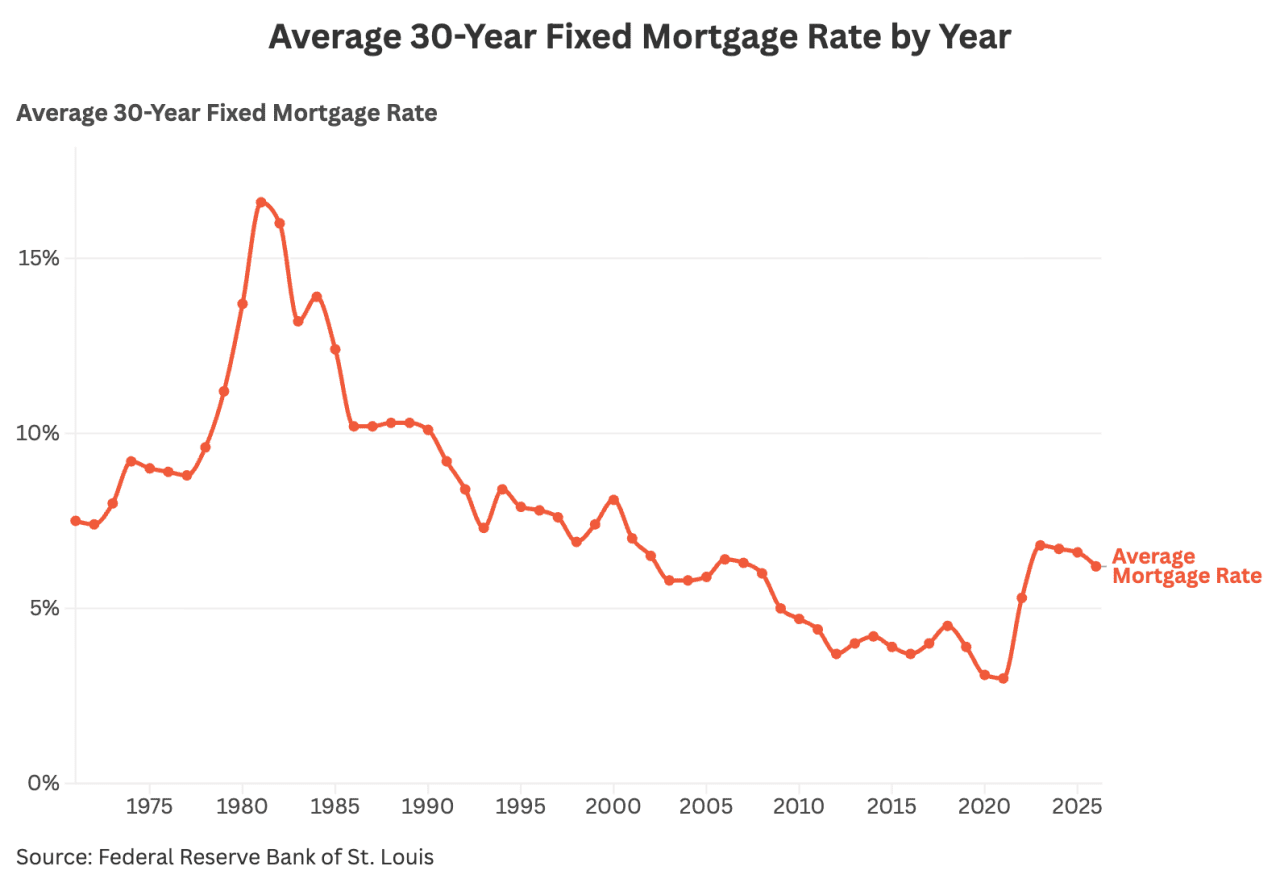
The recent downward movement in rates provides a shift from the higher-cost environment seen during the peak of the COVID-19 pandemic. While homeowners may monitor these daily fluctuations, industry forecasts suggest rates will remain within a specific range for the remainder of the year. The Mortgage Bankers Association (MBA) expects 30-year rates to hover between 6.4% and 6.5% through 2026, while Fannie Mae projections place the 30-year rate at 6.3% through year-end.
Pros and Cons of Fixed-Rate Mortgages
Borrowers choosing a 30-year fixed-rate mortgage benefit from predictable monthly payments that do not fluctuate based on market interest rate changes. However, this stability often comes with a higher interest rate compared to shorter-term options or initial ARM periods. Conversely, a 15-year fixed-rate mortgage allows borrowers to pay off their debt sooner and secure a lower interest rate, though the trade-off is a higher monthly payment obligation.
Evaluating Adjustable-Rate Mortgages
Adjustable-rate mortgages (ARMs), such as the 5/1 ARM, offer an introductory rate that remains fixed for a set period before adjusting annually. These products can be advantageous for buyers who plan to move before the initial period expires, as they may benefit from lower introductory payments. The primary risk remains the uncertainty of future rate adjustments, which can lead to unpredictable payment increases once the introductory window closes.
Frequently Asked Questions
Why do reported mortgage rates vary between different sources?
Different organizations use unique collection methods and time frames. Zillow reports daily figures from its lender marketplace, whereas Freddie Mac averages data from loan applications submitted to its underwriting system over a weekly period.
Are mortgage rates expected to continue falling?
Forecasts remain mixed. The MBA expects the 30-year mortgage rate to stay between 6.4% and 6.5% through 2026, while Fannie Mae predicts a 6.3% rate through the end of the year.
How can a borrower secure the lowest refinance rate?
Securing a lower rate generally requires improving your credit score and reducing your debt-to-income ratio (DTI). Additionally, choosing a shorter loan term typically results in a lower interest rate, although this will increase your monthly payment amount.
Are you planning to prioritize a lower monthly payment or a shorter loan duration in your current housing search?