

Tokayev and Putin Strengthen Russia-Kazakhstan Strategic Partnership and Alliance
A New Era of Strategic Integration: The Kazakhstan-Russia Roadmap
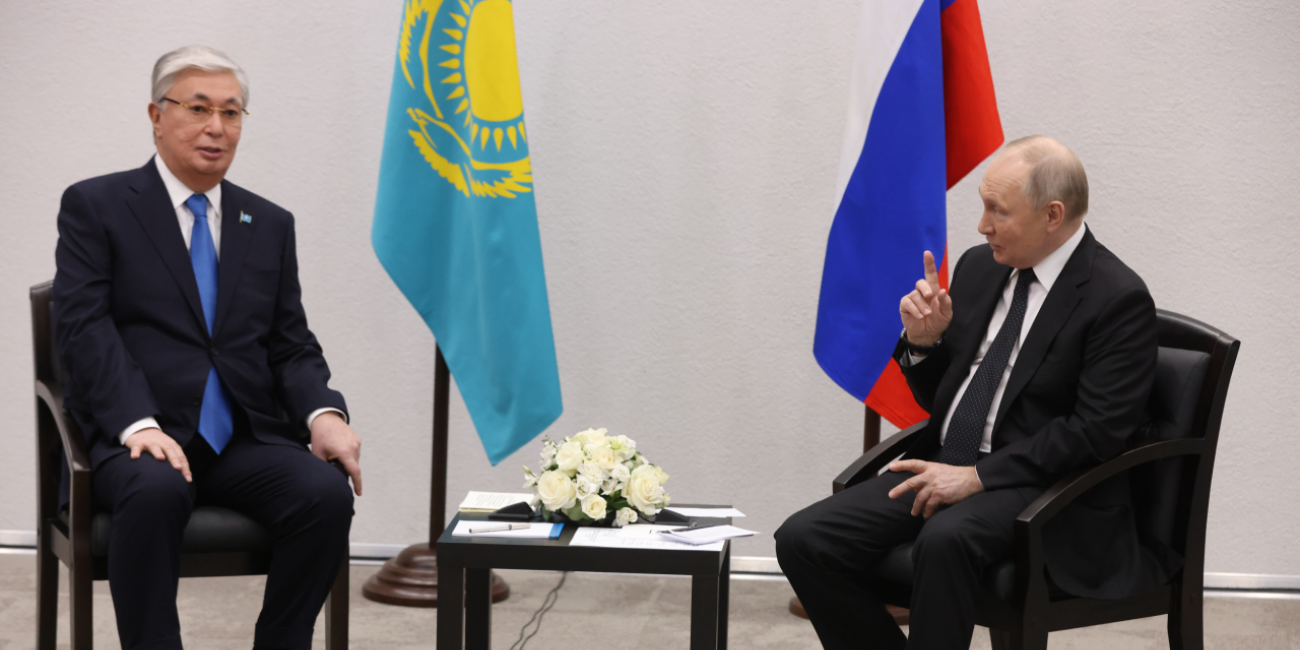
The recent state-level discussions between President Kassym-Jomart Tokayev and President Vladimir Putin signal more than just diplomatic formality. They represent a deliberate pivot toward deep-rooted economic and humanitarian integration. As these two nations solidify their “comprehensive strategic partnership,” the implications for regional trade, educational exchange, and industrial development are profound.
Economic Synergy: Building Beyond the $30 Billion Mark
The economic relationship between Astana and Moscow is rapidly maturing. With bilateral trade nearing the $30 billion milestone, the focus has shifted from simple commodity exchange to complex, high-value industrial collaboration. The current pipeline of 177 joint projects, valued at approximately $53 billion, highlights this transition.
Notably, over 120 of these projects are already operational. This suggests a move toward a “real-world” industrial integration, where joint ventures in manufacturing, energy, and infrastructure are providing tangible economic stability for both nations. For investors, this creates a predictable, albeit complex, landscape that favors long-term commitments over speculative short-term gains.
Soft Power: The New Frontier of Human Capital
While economic figures dominate headlines, the most significant long-term trend is the investment in human capital. The expansion of the “Sirius” project into Kazakhstan, along with the presence of eight major Russian university branches, demonstrates a focus on creating a shared knowledge economy.
By prioritizing educational and cultural exchanges—such as the upcoming Games of the Future and the promotion of the Russian language through international organizations—both countries are fostering a generation of professionals who are culturally and linguistically equipped to work across borders. This “soft power” infrastructure is essential for maintaining deep-state ties that survive shifting political winds.
The Omsk Connection: Strengthening Cross-Border Logistics
The upcoming Interregional Cooperation Forum in Omsk is a critical event for supply chain managers and logistics professionals. Regional cooperation is the backbone of the Russia-Kazakhstan corridor. By facilitating direct interaction between regional governors and local business leaders, these forums bypass bureaucratic friction, allowing for faster implementation of cross-border infrastructure projects.
Future Trends: What to Watch
- Digital Integration: Expect increased collaboration on digital infrastructure, particularly in fintech and secure communications, as both nations seek to harmonize their digital ecosystems.
- Energy Transition: Joint projects are increasingly focusing on modernizing legacy energy infrastructure to meet 21st-century environmental and efficiency standards.
- Multilateral Stability: The alignment within the EAEU (Eurasian Economic Union) and SCO (Shanghai Cooperation Organization) suggests that these nations will continue to act as a unified bloc in major international trade negotiations.
Frequently Asked Questions
- How does this partnership affect foreign investors?
- The high level of integration between these two economies offers a larger, more unified market. However, investors must stay informed about the evolving regulatory frameworks that govern these joint projects.
- Why is the “Sirius” project important?
- Sirius is a specialized educational model designed to fast-track talent in science, technology, and arts. Its expansion indicates a commitment to high-tech workforce development.
- What is the significance of the “Seven Foundations of Friendship”?
- This document serves as a high-level diplomatic framework that ensures long-term continuity for bilateral agreements, providing a “legal floor” for cooperation regardless of future political cycles.
Want to stay ahead of the curve on Eurasian market trends?
Subscribe to our Global Insights Newsletter
Have questions about the economic impact of these policies? Leave a comment below!