

Tom Holland Wants to Set Up ‘The Next Chapter’ For a Next Spider-Man
The Art of the Cinematic Hand-off: How Modern Franchises Navigate the ‘Passing of the Torch’
In the high-stakes world of blockbuster cinema, there is perhaps nothing more dangerous—or more rewarding—than the transition of a lead character. For years, we saw franchises struggle to replace iconic leads, often resulting in jarring reboots that alienated fans. However, the current trajectory of the Marvel Cinematic Universe (MCU), specifically with Tom Holland’s Spider-Man, signals a shift toward a more organic, legacy-driven approach.

The concept of “passing the mantle” is no longer just a comic book trope; it has become a strategic blueprint for long-term franchise sustainability. By preparing the audience for the next generation—whether that be Miles Morales, Spider-Gwen, or a new iteration of the web-slinger—studios are moving away from the “disposable hero” model and toward a living, breathing cinematic history.
The ‘RDJ Effect’: Why Mentorship is the Ultimate Narrative Bridge
Tom Holland recently highlighted the influence of Robert Downey Jr., noting that he wishes to do for the next Spider-Man what Downey’s Tony Stark did for him. This “mentor-student” dynamic is a powerful psychological tool in storytelling. It creates a bridge of trust between the old guard and the new.
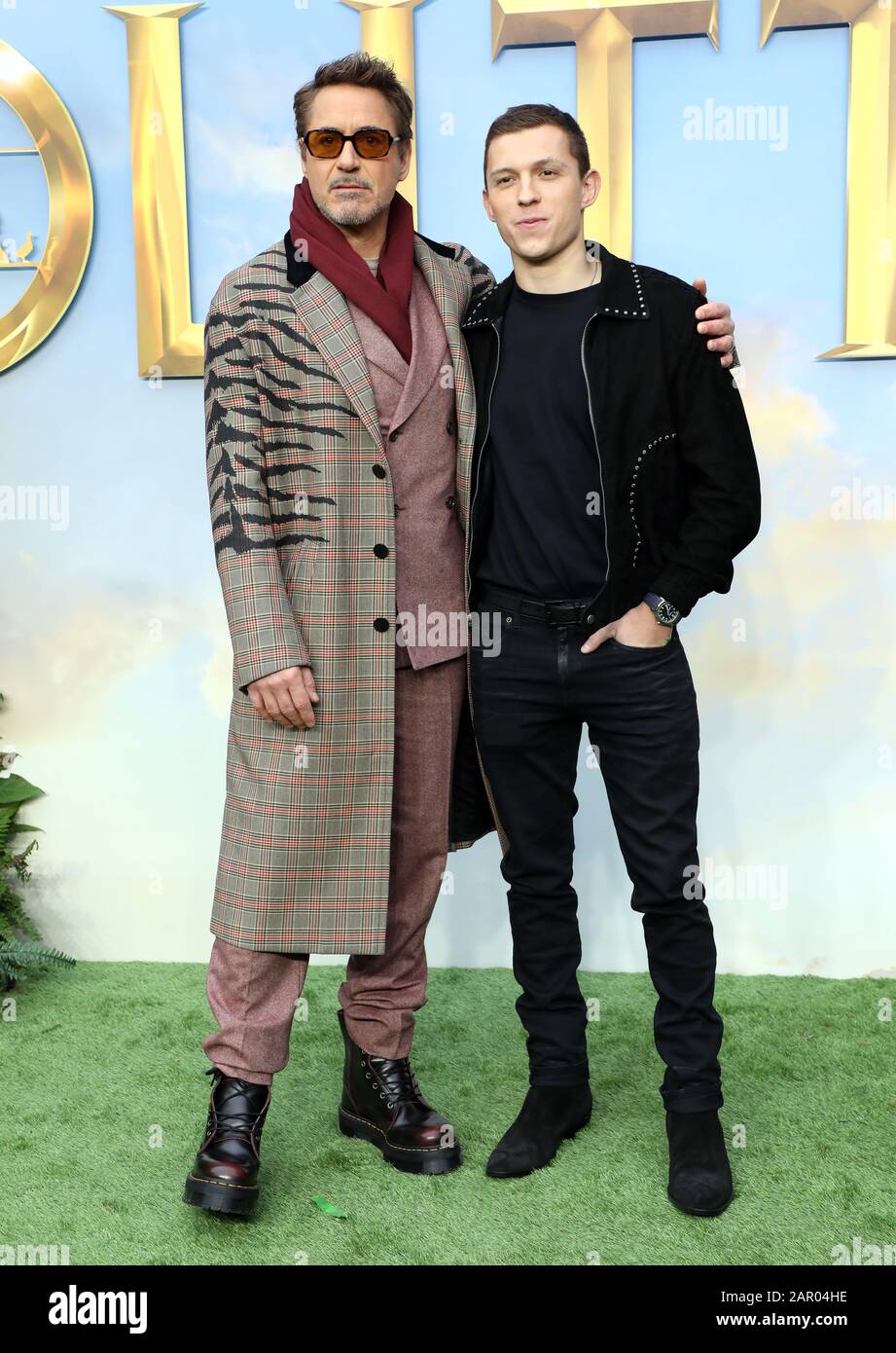
When a beloved veteran character validates a newcomer, the audience accepts the transition much faster. We saw this effectively utilized in the Star Wars sequels and the Batman transitions. By framing the exit of a lead not as an ending, but as a graduation, studios can maintain brand equity while refreshing the creative energy of the series.
For those interested in the psychology of storytelling, exploring narrative arcs can reveal why these mentorship cycles resonate so deeply with global audiences.
Diversifying the Mask: The Strategic Rise of Miles Morales and Spider-Gwen
The mention of Miles Morales and Spider-Gwen isn’t just about inclusivity—it’s about market expansion. The “Spider-Verse” has proven that the appeal of the character transcends a single individual. The trend is moving toward a “multiversal” approach where multiple versions of a hero can coexist, allowing the studio to test different demographics and storytelling styles without erasing the original’s legacy.
This trend suggests a future where “The Lead” is no longer a single person, but a rotating ensemble. This reduces the risk of actor burnout and allows the franchise to evolve alongside cultural shifts. We are seeing this pattern emerge across other major IPs, where the focus is shifting from a singular protagonist to a “legacy family.”
Breaking the ‘One Hero’ Mold
The industry is moving toward a model of intergenerational casting. Instead of a hard reboot, we are seeing “soft transitions.” This allows the original actor to remain in a supporting or mentoring role, providing a safety net for the new lead while keeping the original fanbase engaged.
The Economics of Evolution: Why Franchises Must Pivot
From a business perspective, the “Brand New Day” approach—adding “icing on the cake” through strategic reshoots and narrative layering—shows that studios are now prioritizing polish over sheer volume. In the early days of the MCU, the goal was expansion. Now, the goal is refinement.
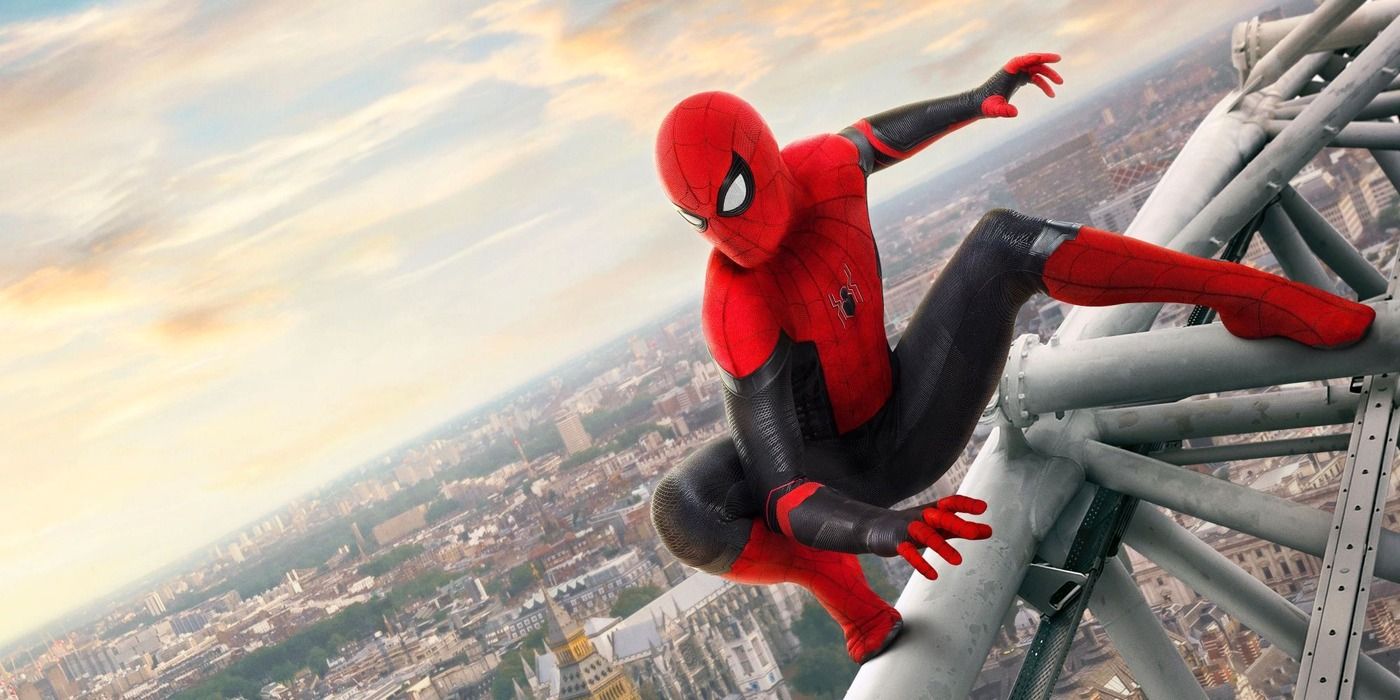
By layering in more humour and complex villain plotlines during post-production, studios are responding to real-time audience data. The trend is moving toward iterative filmmaking, where the movie is treated more like a software product—constantly updated and refined until the moment of release to ensure maximum engagement.
This shift is crucial because “superhero fatigue” is a real threat. To combat this, the industry is pivoting toward “event cinema”—films that feel like cultural milestones rather than just another entry in a series. You can read more about box office trends to see how this pivot is affecting global returns.
Frequently Asked Questions
Will Tom Holland leave the Spider-Man role entirely?
While Holland has expressed a desire to eventually pass the mantle, he has not announced a definitive exit date. The current trend suggests a gradual transition rather than an abrupt departure.
Who is most likely to take over as the lead Spider-Man?
Miles Morales is the most prominent candidate given his massive popularity in the animated films, though the MCU often surprises audiences with multiversal twists.
What does ‘Brand New Day’ mean for the future of the series?
It signals a narrative reset or a new chapter, allowing the character to evolve into a more mature version of himself, potentially setting the stage for him to become the mentor figure.
What do you think? Should the MCU stick with Tom Holland for another trilogy, or is it time to introduce Miles Morales to the live-action world? Let us know your theories in the comments below, or subscribe to our newsletter for more deep dives into the future of cinema!