
Top 10 Most Walkable Cities in the World: Rome, Berlin, and More
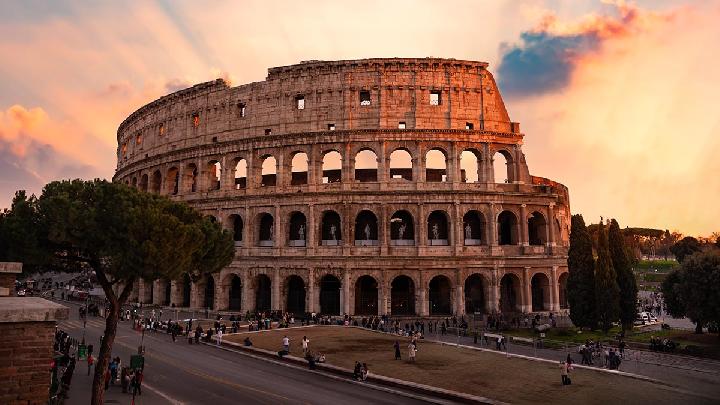
Rome is the world’s most walkable city according to a GuruWalk analysis of global walking-tourism trends conducted between April 2025 and April 2026. The report identifies destinations that consistently attract pedestrians based on urban layout, cultural density, and ease of navigation, with Madrid and Budapest following in the top rankings.
Why is Rome ranked as the most walkable city?
Rome holds the top position because its historic streets, piazzas, and landmarks are highly accessible on foot, according to GuruWalk. The city’s infrastructure allows visitors to move between bustling squares and hidden courtyards without relying on motorized transport.
A specific feature contributing to this rank is the network of public drinking fountains. GuruWalk notes these fountains allow tourists to stay hydrated while exploring the city’s lesser-known churches and cafes.
Which European cities offer the best pedestrian layouts?
Madrid and London rank highly due to their specific urban planning. GuruWalk reports that Madrid is recognized by both travelers and Walk Score for its compact layout and clean, pedestrian-friendly streets.
London’s walkability stems from an extensive network of pedestrian routes that connect diverse neighborhoods and public spaces. Meanwhile, Berlin utilizes wide pavements and dedicated pedestrian zones to manage its scale as Germany’s largest city, according to the same analysis.
Other top-tier walkable destinations include:
- Budapest: Known for riverside promenades and architectural heritage.
- Prague: Highly rated for the proximity between Old Town Square and Charles Bridge.
- Amsterdam: Noted for a high density of landmarks located within short walking distances.
How do these cities compare in walking experience?
The experience of walking varies by geography and urban design. GuruWalk contrasts the flat, canal-based navigation of Amsterdam with the hillside neighborhoods of Lisbon and Porto. In Lisbon, the Alfama and Bairro Alto districts offer river vistas but require navigating steeper terrain.
While Berlin provides “impressive scale” through wide pavements, cities like Porto rely on narrow, winding streets through historic districts. This distinction highlights a divide between modern pedestrian planning and the preservation of medieval urban footprints.
What makes a city “walkable” for tourists?
Walkability depends on the seamless connection between historic districts and modern avenues. Barcelona is cited by GuruWalk as a prime example, where accessible environments allow locals and visitors to move easily between different urban eras.
Effective walkability reduces the need for transit and encourages “discovery,” a factor GuruWalk highlights in Prague’s layout. When landmarks are clustered, the psychological barrier to exploring on foot decreases, increasing the time tourists spend in local businesses.
For more on travel safety and planning, see our guide to the safest countries to travel in the world or explore Walk Score’s detailed urban metrics.
Frequently Asked Questions
What is the most walkable city in the world?
According to GuruWalk’s 2025-2026 analysis, Rome, Italy, is the most walkable city due to its historic layout and public amenities.

Which cities are best for historic walking tours?
Prague and Rome are highlighted as top destinations for those wanting to explore rich heritage and landmarks on foot.
Is Berlin walkable despite its size?
Yes. GuruWalk states that Berlin combines its large scale with exceptional walkability through wide pavements and extensive pedestrian zones.
Which cities have challenging walking terrain?
Lisbon and Porto are noted for their hillside neighborhoods and narrow winding streets, offering a different experience than the flat layouts of Amsterdam or Madrid.
Do you prefer exploring cities on foot or by transit? Share your favorite walkable destination in the comments below or subscribe to our newsletter for more travel insights.