
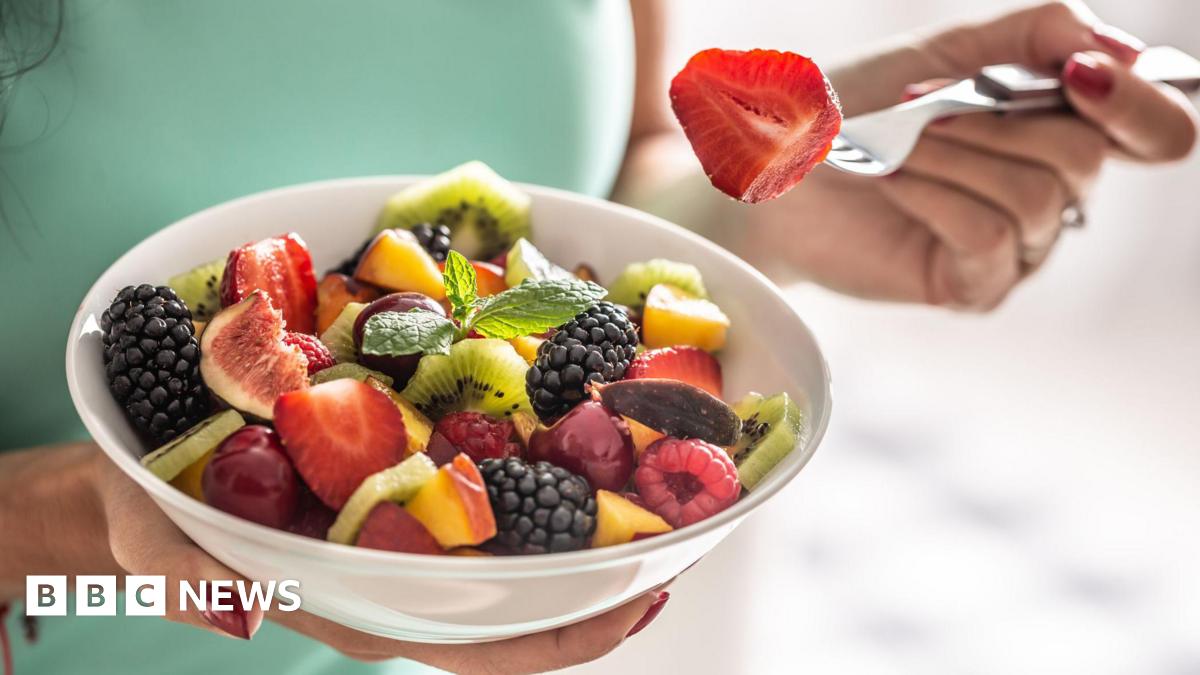
Top five-a-day foods new study says your heart needs
Recent interest in the potential heart-health benefits of flavanols—compounds found in various fruits and vegetables—has prompted experts to urge caution. While some small-scale trials have observed positive effects on blood pressure, researchers currently lack definitive evidence that these compounds lead to a measurable reduction in cardiovascular outcomes, such as heart attacks or strokes.
Why Flavanol Intake Remains Complex
The impact of flavanols on human health is not a simple equation of consumption versus benefit. According to Prof Ana Rodriguez-Mateos of King’s College London, the levels of flavanols and fiber in fruits and vegetables vary widely, necessitating further study. This variability is compounded by the biological processing of these nutrients within the body.
Dell Stanford from the British Heart Foundation (BHF) explains that the body does not process these compounds uniformly. While small amounts are absorbed directly, the rest relies on gut bacteria to break them down into usable forms. Because every individual possesses a unique microbiome, the actual health benefits derived from flavanols can differ significantly from person to person.
What Happens Next in Cardiovascular Research
Moving forward, the medical community is looking for more extensive clinical trials. Prof Naveed Sattar of the University of Glasgow notes that these larger studies are essential before experts can officially recommend flavanols as a reliable strategy to reduce cardiovascular events.

For now, the British Heart Foundation and the British Nutrition Foundation maintain that the most effective way to support heart health is to adhere to established dietary guidelines. This includes maintaining a balanced diet that features a wide variety of fruits and vegetables rather than focusing on isolated compounds.
Frequently Asked Questions
Are flavanols proven to prevent heart attacks?
No. While small trials have shown favorable effects on blood pressure, there is currently no real evidence confirming that flavanols reduce the risk of heart disease outcomes or cardiovascular events like heart attacks and strokes.
Why might the benefits of flavanols vary between people?
Benefits vary because flavanol levels in food change based on climate, growth location, ripeness, and processing. Additionally, because the body relies on individual gut bacteria to break down flavanols, the health impact differs from person to person.
What is the recommended approach to heart-healthy eating?
The BHF and British Nutrition Foundation advise following established guidance to maintain a balanced diet that includes a wide variety of fruits and vegetables.
Given the variability in how our bodies process nutrients, how much importance do you place on the specific origin and ripeness of the produce you buy?