
Tour Auvergne-Rhône-Alpes 2026 Stage 3 Preview: Team Time Trial
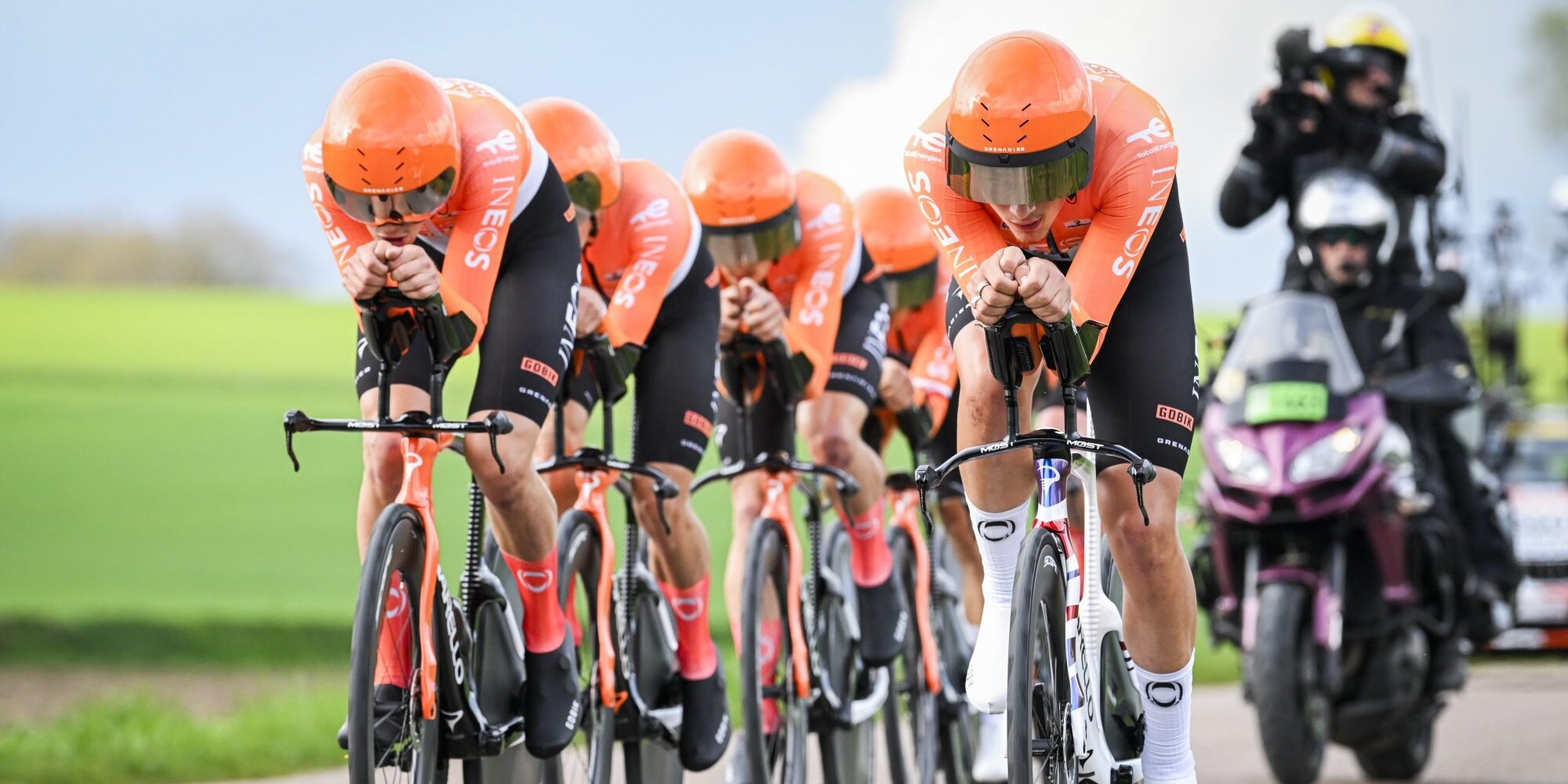
The Tour Auvergne-Rhône-Alpes transitions from breakaway territory to a test for general classification contenders on Tuesday, June 9, 2026, with a 28-kilometer team time trial in Le Perreux. This stage is expected to significantly alter the overall standings, as riders face a technical course that serves as a final dress rehearsal for the upcoming Tour de France.
Did You Know? The team time trial format used in this race mirrors the structure of the Tour de France and Paris-Nice, meaning individual rider times are recorded at the finish line rather than a single team time.
The Technical Challenges of the Course
The 28-kilometer route around Le Perreux is characterized by its undulating terrain, featuring approximately eight kilometers of climbing. According to race reports, the course includes two ascents near Coutouvre and Montagny. While the gradients are not extreme, the terrain requires careful pacing to avoid early fatigue.
The final eight kilometers from Montagny to the finish are described as high-speed, though the concluding kilometer presents a final challenge with an incline of up to 7%. Riders must balance speed with collective synchronization, as the technical nature of the course increases the risk of riders struggling if they exceed their limits too early.
Team Dynamics and Favorites
Netcompany INEOS enters the stage as the team to beat, following their victory in the Paris-Nice team time trial earlier this year. The lineup includes Joshua Tarling, Oscar Onley, Carlos Rodríguez, Samuel Watson, Dorian Godon, Kévin Vauquelin, and Laurens De Plus, who replaces Michal Kwiatkowski.
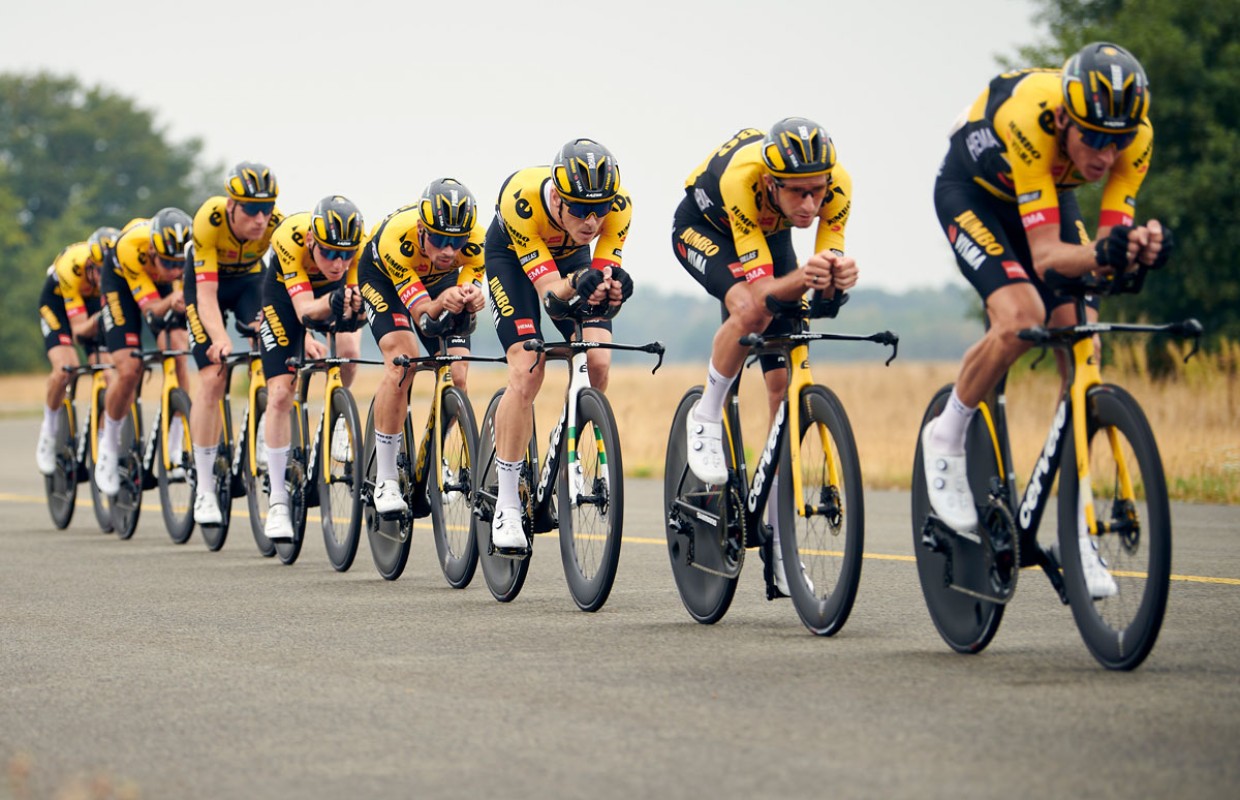
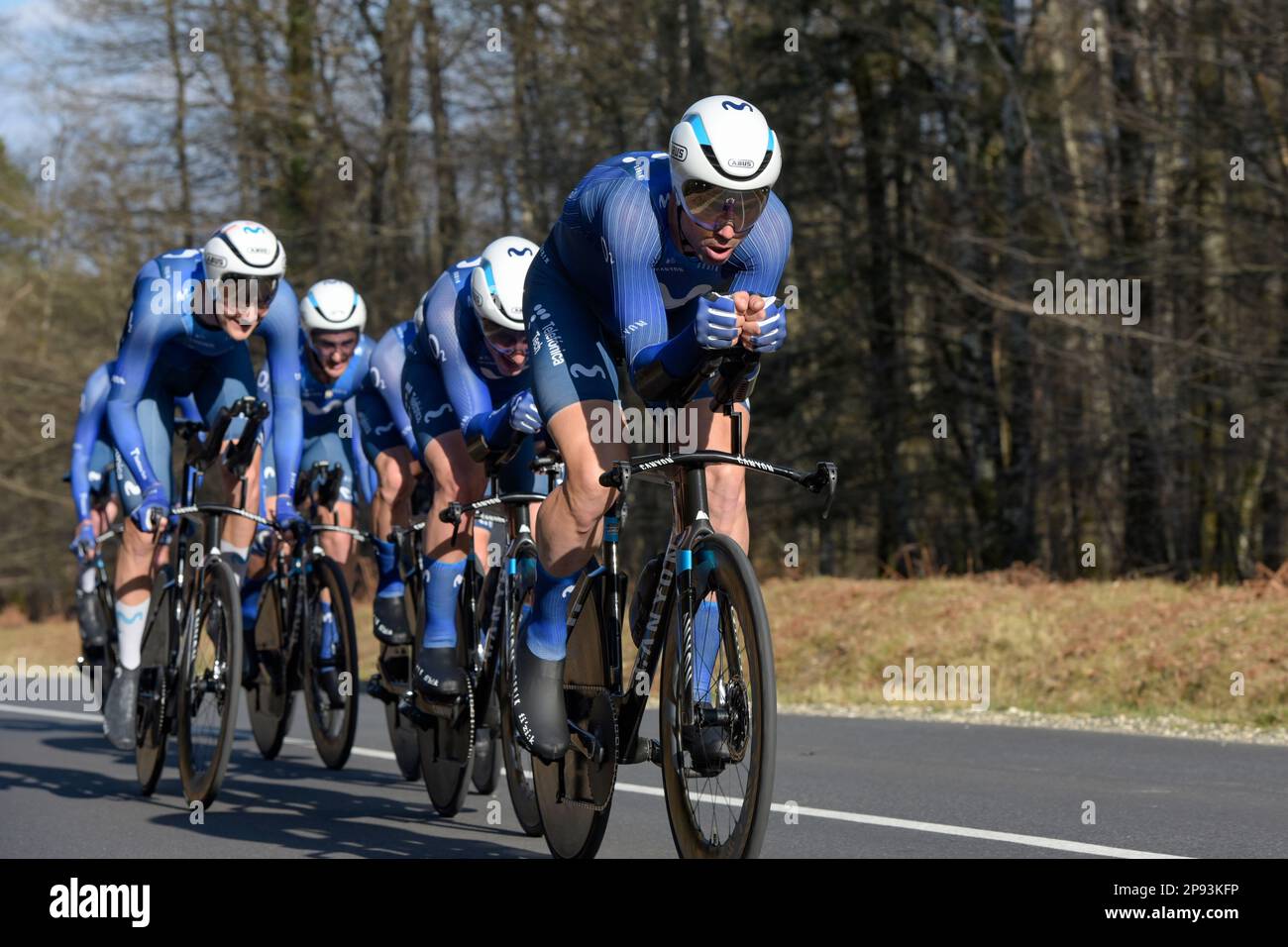
Competition is expected from Visma | Lease a Bike and Lidl-Trek. Visma | Lease a Bike fields a roster of specialists, including Wout van Aert, Bruno Armirail, Edoardo Affini, Per Strand Hagenes, Ben Tulett, and Matteo Jorgenson. Lidl-Trek, which finished just two seconds behind Netcompany INEOS in the Paris-Nice time trial, looks to Juan Ayuso, Lennard Kämna, Quinn Simmons, and Toms Skujins for a potential reversal of fortune.
Expert Insight: Team time trials are rarely about individual power alone. Success depends on the collective chemistry and the ability of a group to maintain a high, consistent tempo under pressure. While star power like Filippo Ganna or Remco Evenepoel is beneficial, the ability of a unit to act as a single, fluid machine—especially on technical, rolling terrain—is what ultimately separates the podium contenders from the rest of the field.
What to Expect on Race Day
Weather conditions in Le Perreux are forecast to be favorable, with temperatures reaching 20 degrees Celsius and light winds of 3 Beaufort from the southwest. The dry weather is expected to assist riders in navigating the technical sections of the course.
Beyond the primary favorites, Decathlon CMA CGM remains a team to monitor. Despite racing with only six riders following the withdrawal of Matthew Riccitello, the team features strong engines in Daan Hoole and Stefan Bissegger. Other squads, including UAE Emirates XRG, Bahrain Victorious, Jayco AlUla, and EF Education-EasyPost, are expected to contend for high placings, with EF Education-EasyPost potentially motivated by the presence of race leader Alex Baudin.
Frequently Asked Questions
How is the time calculated for the teams?
The stage follows the same format as the Tour de France and Paris-Nice, meaning individual times for each rider are taken at the finish line.
Why is this stage considered a test for the Tour de France?
The stage provides a final opportunity for teams to fine-tune their synchronization and gain experience in a team time trial setting before the upcoming Tour de France, which also features an in-race time trial.
Which team is considered the favorite based on recent performance?
Netcompany INEOS is viewed as the favorite, having won the team time trial in Paris-Nice earlier this year with a roster similar to the one competing in the Tour Auvergne-Rhône-Alpes.
How do you think the inclusion of technical, rolling climbs will impact the strategies of the larger, powerhouse teams?