

Toxic Kitchen Tools to Replace for Better Health
Dr. Louis Romain advises adults aged 60 and older to gradually replace worn plastic and synthetic kitchenware to reduce exposure to undesirable substances. According to Dr. Romain, aging bodies eliminate toxins less effectively, making the replacement of scratched non-stick pans and heat-exposed plastics a key preventive health measure.
Why are certain kitchen tools risky for people over 60?
Plastic accessories and synthetic coatings can release undesirable particles or substances over time, according to Dr. Romain. This risk increases when these materials are exposed to heat, scratches, or general wear and tear.
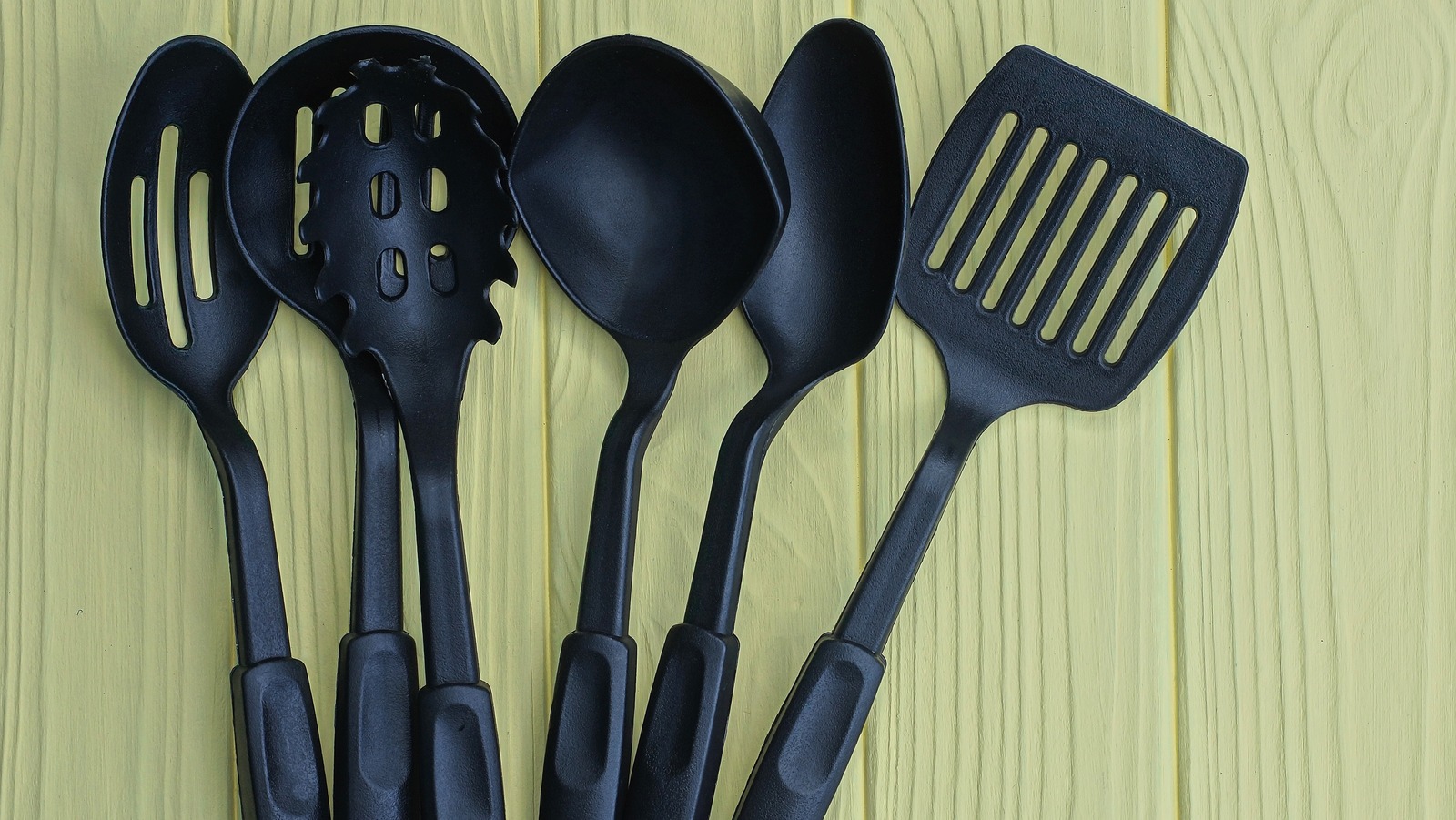
The physician notes that this is particularly significant for individuals over 60. He states that as the body ages, it becomes less efficient at eliminating certain toxic substances that have accumulated over the years.
Which kitchen items should be monitored or replaced?
Dr. Romain identifies several common household items that may release substances when degraded. He suggests monitoring or gradually replacing the following:
- Plastic cutting boards that are heavily scratched or worn.
- Plastic spoons, spatulas, and utensils used near heat.
- Plastic food containers used in microwave ovens.
- Aging plastic lids.
- Dish brushes made from synthetic materials.
- Non-stick pans with scratched coatings.
- Kettles or appliances where plastic components frequently touch heat.
- Air fryers with damaged non-stick basket coatings.
What materials are safer alternatives?
To reduce exposure to synthetic coatings, Dr. Romain recommends prioritizing more durable materials. These include glass, stainless steel, cast iron, high-quality ceramics, and bamboo for specific accessories.
Air fryers require specific attention. Dr. Romain suggests checking the composition of the cooking basket, noting that models with stainless steel or glass baskets are available for consumers wanting to avoid synthetic coatings.
How should these changes be implemented?
Replacing every kitchen tool simultaneously is not necessary, according to the physician. He suggests a gradual approach as a more realistic strategy.
A possible next step for consumers is to wait until a utensil is worn out or an appliance reaches the end of its lifespan before choosing a durable alternative. Detailed examples and daily solutions are available in Dr. Romain’s video content at https://www.youtube.com/watch?v=SYV_LeG5W4YIl.
Frequently Asked Questions
Why is the risk higher for people over 60?
According to Dr. Romain, the aging organism eliminates accumulated toxic substances less effectively than it did in younger years.
What are the best materials for air fryer baskets?
Dr. Romain recommends looking for air fryers that feature baskets made of glass or stainless steel.
Do I need to throw away all my plastic containers immediately?
No. Dr. Romain suggests a gradual approach, replacing items as they become worn or reach the end of their useful life.
Which of your daily kitchen tools are you most likely to replace first?