
Trans Chicagoan details long battle with doctors for cancer diagnosis – NBC Chicago
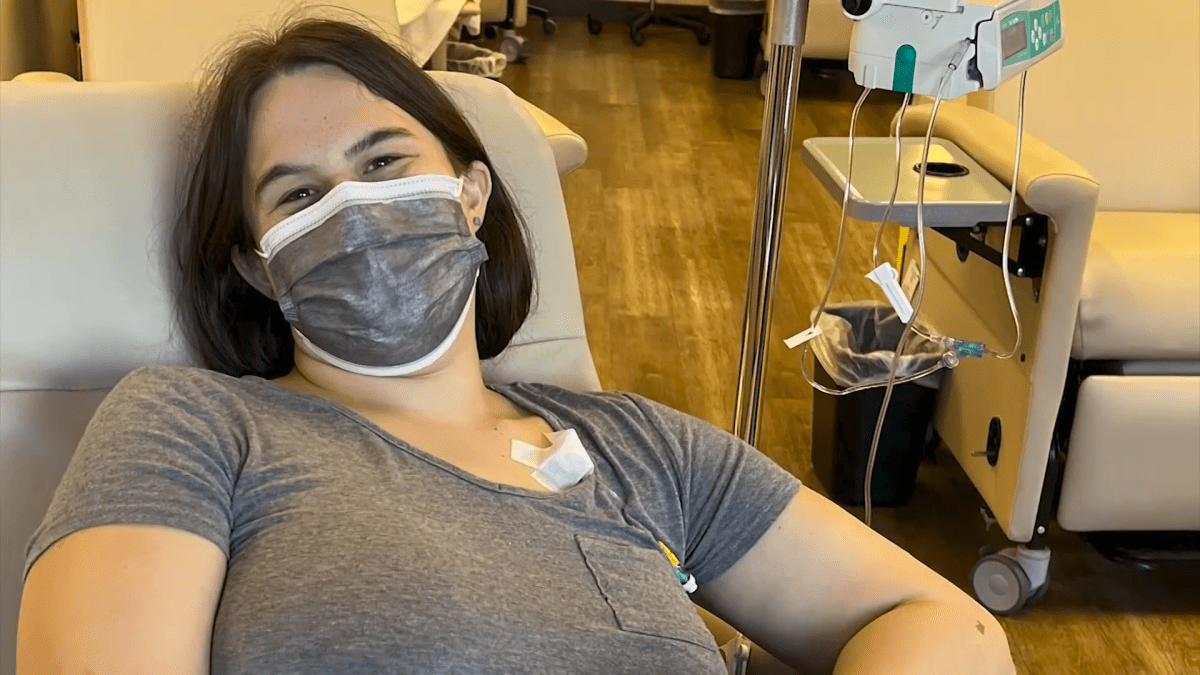
Mikey Shock, a transgender Chicagoan, was diagnosed with Hodgkin’s Lymphoma at age 21 after nine months of dismissed symptoms, according to her account. Her experience aligns with findings in the American Association for Cancer Research (AACR) 2026 Cancer Disparities Progress Report, which highlights systemic gaps in care for LGBTQ+ and minority populations.
Shock spent nearly a year “living off inhalers” to treat a cough and shortness of breath. She used various asthma and allergy medications as her symptoms worsened, but says she had to advocate for herself and demand an x-ray before a doctor agreed.
The x-ray revealed a tumor in Shock’s chest and a right lung that was filling with fluid and collapsing. To treat the cancer, Shock underwent eight rounds of chemotherapy over 16 weeks and 15 consecutive days of radiation.
Why were some cancer symptoms ignored?
Shock believes her medical providers dismissed her symptoms because she is transgender. She stated her concerns were treated as hormonal issues or related to her gender-affirming care rather than serious illness.

Dr. Mariana Stern, chair of the AACR report, says this reflects a broader need for doctors who are trained to care for diverse populations. Stern noted that LGBTQ+ patients require specific sensitivity to address their unique needs and the resulting impact on their mental health.
The report also identifies a “concerning trend” of increasing cancer among very young individuals. Stern stated these patients often do not qualify for standard screenings and are unfortunately diagnosed at a late stage.
How does the AACR report address healthcare gaps?
The AACR report finds that while some gaps have narrowed, others remain severe. According to Stern, the mortality and incidence gap between Black and white populations has decreased, as has the mortality gap for Latina women with cervical cancer.
Rural populations continue to face significant hurdles. Stern stated that many rural counties lack cancer doctors, forcing patients to travel long distances to receive necessary care.
Despite these gaps, the report highlights substantial progress in prevention and early detection. The overall cancer death rate has declined by 35% since 1991.
What could reduce future cancer disparities?
Equal access to care is the primary takeaway for reducing disparities, according to Stern. One proven method involves using community or patient navigators to help people connect with cancer care.
Increasing minority representation in clinical trials could also lead to better outcomes. Stern stated this would allow researchers to test drugs on populations representative of the U.S. and identify which treatments work best for every patient, especially since tumors can differ at a biological level.
Shock, who has been in remission for three years but still experiences breathing problems, says the goal is to influence policy. She stated that transgender people need to be seen and heard through culturally competent care within health care practices.
Frequently Asked Questions

What symptoms did Mikey Shock experience before her diagnosis?
Shock experienced shortness of breath and coughing that became more severe over nine months.
What are the current trends in cancer among young people?
According to Dr. Mariana Stern, there is an increasing trend of cancer among very young individuals who are often diagnosed at a late stage because they do not yet qualify for screenings.
What has been the overall trend in cancer death rates since 1991?
The overall cancer death rate has declined by 35% since 1991, according to the AACR report.
How can healthcare systems better ensure that patients of all identities are heard during the diagnostic process?