
Transatlantic slavery was the gravest crime against humanity in history, Juneteenth marks its end
The UN General Assembly recently declared the transatlantic slave trade the “gravest crime against humanity” in a resolution backed by 123 countries. While Ghana leads calls for reparations, the US, Israel, and Argentina voted against the measure, signaling a continuing global divide over historical accountability and financial restitution.
Why is the push for global reparations increasing?
The movement for reparations is gaining momentum through international bodies, though it faces stiff resistance from Western powers. On March 25, the UN General Assembly passed a resolution spearheaded by Ghana to recognize the transatlantic slave trade as a supreme crime against humanity. According to the resolution, 123 countries supported the move, while 52 abstained, including the UK and Australia.
Ghana has explicitly called for reparations as a concrete step to remedy historical wrongs. However, Ri’chard Caldwell, founder of the Melanated in Melbourne podcast, expresses skepticism. Caldwell notes that many Western nations avoid taking a stance because they do not want to acknowledge that these atrocities occurred, often claiming a lack of knowledge due to the centuries that have passed.
How is the history of slavery being contested in schools?
Educational narratives in the United States are becoming a primary battleground for historical memory. Ri’chard Caldwell reports that during his schooling in California and Texas, teachers “glossed over” the topic of slavery and performed the “bare minimum” of instruction. Caldwell describes a pattern where Black students were asked for their input on the topic in front of peers, a practice he calls “embarrassing and awkward.”
Tyree Barnette, author of Stolen Man on Stolen Land, argues this is not accidental. Barnette describes an “intentional project to erase Black American contributions to the US.” He suggests that history is being rewritten to downplay the role African Americans played in building the country, which he believes makes the celebration of events like Juneteenth more urgent.
What is the future of Juneteenth outside the United States?
Juneteenth is evolving from a US-centric holiday into a global touchstone for the African American diaspora. The holiday commemorates June 19, 1865, when enslaved people in Texas were finally told they were free, years after the Emancipation Proclamation of 1862.
This recognition is now appearing in cities like Melbourne, Australia. Caldwell marks the occasion with events such as “Melanin Vol 2: Soulful Soulstice,” combining the commemoration of freedom with Pride Month celebrations. Barnette notes that celebrating the legacy of the diaspora is essential for those living abroad to ensure their contributions are not erased by political climates in the US.
How do historical documentation gaps affect Black Americans today?
A lack of official records from the era of slavery continues to create legal vulnerabilities for Black Americans. While Dr. Clare Corbould of Deakin University points to a “paper trail” of horrors—such as the Zong civil case where captives were thrown overboard for insurance claims—this documentation rarely benefited the enslaved.
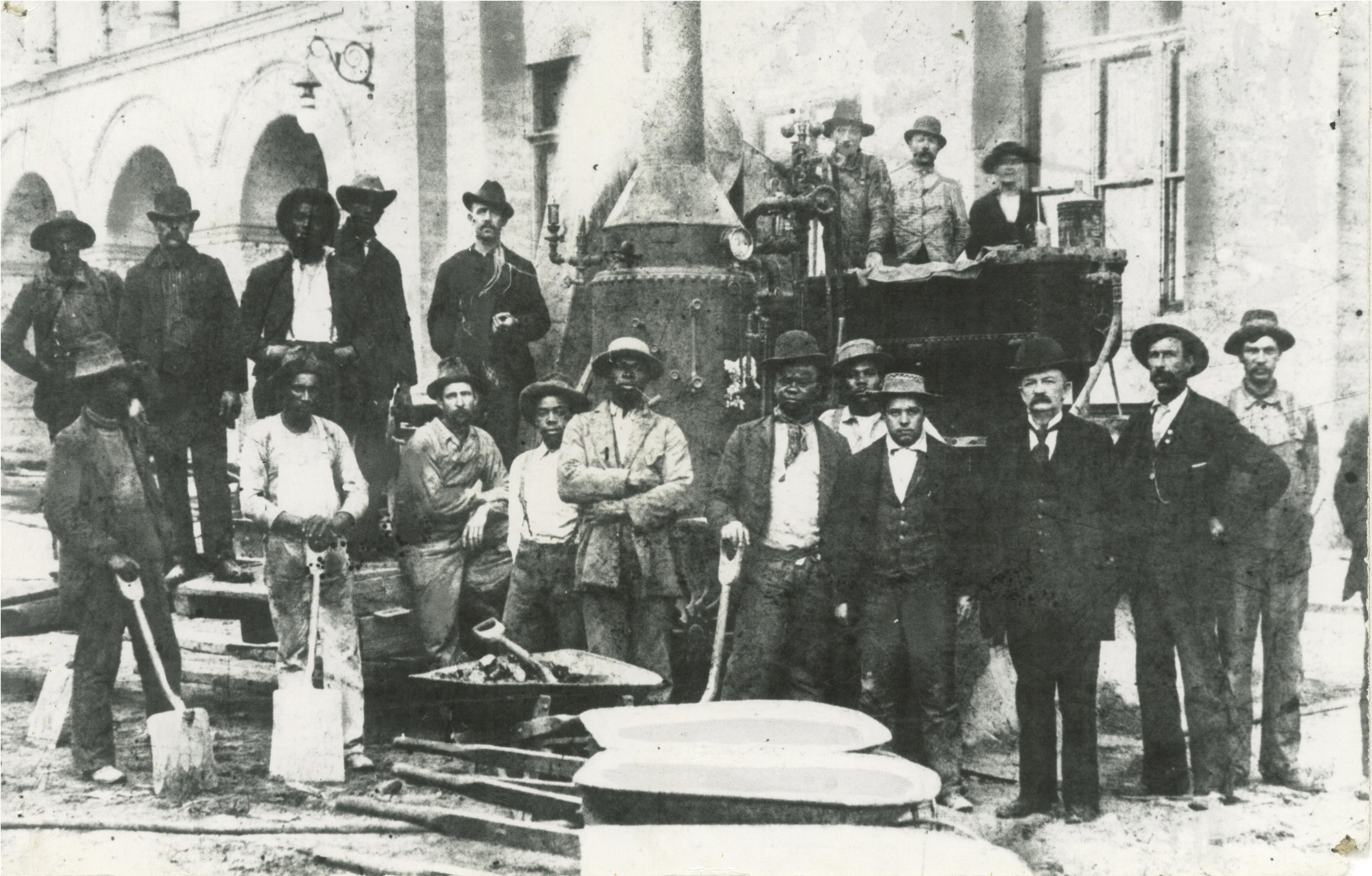
Barnette explains that this historical erasure manifests today in struggles with Immigration and Customs Enforcement (ICE). He states that many Black Americans lack correct birth certificates or surnames due to the “fraught” legality of their ancestors’ status. This documentation gap, Barnette argues, leaves individuals vulnerable to being captured by state agents regardless of their citizenship status.
Comparison of Global Responses to the UN Resolution
| Position | Countries | Stated/Implied Perspective |
|---|---|---|
| In Favor | 123 (including Ghana) | Slavery was the gravest crime against humanity; reparations are necessary. |
| Against | US, Israel, Argentina | Opposed the specific resolution or its implications. |
| Abstained | 52 (including UK, Australia) | Neutral or hesitant to commit to the resolution’s terms. |
Frequently Asked Questions
What is Juneteenth?
It is an annual holiday commemorating June 19, 1865, the date enslaved African Americans in Texas were informed they were free.
How many people were affected by the transatlantic slave trade?
According to historical data cited by Dr. Clare Corbould, an estimated 12.5 million people were captured in Africa over 400 years, with more than two million dying during transport.
Why did some countries vote against the UN resolution?
The provided text does not list the specific reasons given by the US, Israel, and Argentina, but Ri’chard Caldwell suggests Western nations are often reluctant to acknowledge the full extent of historical atrocities.
What was the Zong civil case?
As described by Dr. Corbould, it was an insurance dispute involving an English ship where captives were thrown overboard alive so the owners could file insurance claims for “lost cargo.”
Do you think historical education in schools is sufficient? Share your experiences in the comments below or subscribe to our newsletter for more deep dives into global history and human rights.