
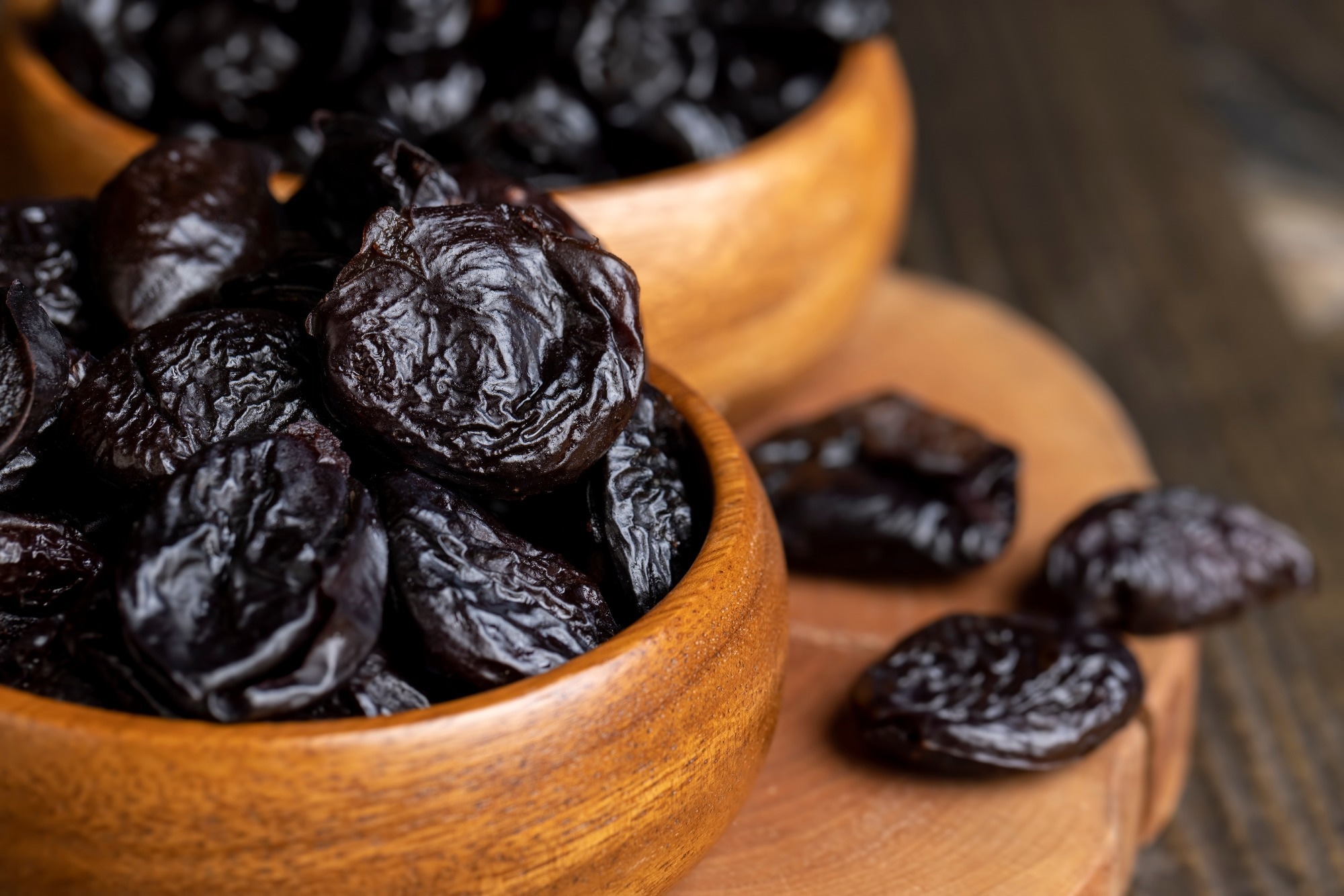
Trial finds prunes do not outperform calcium and vitamin D for male bone density
A one-year study published in the journal Nutrients found that daily prune consumption did not increase bone mineral density in older men with osteopenia beyond the effects of standard calcium and vitamin D3. While some bone biomarkers shifted, researchers reported no measurable gains in total or lumbar spine bone density.
Why did researchers study prunes for bone health?
Over 53 million people aged 50 or older in the United States have low bone mass, according to the study. Of these, 10 million have osteoporosis, including two million males. Men typically lose between 0.5% and 1% of their bone mass every year after age 60.

Pharmacological therapies exist for osteoporosis, but the researchers noted poor adherence and adverse effects. These include gastrointestinal distress, urinary and skin infections, and musculoskeletal pain. This creates a need for complementary therapeutic approaches.
Prunes contain polyphenols and exhibit high antioxidant capacity. While animal models and some human studies suggest bone-protective effects, the researchers noted that data specifically regarding male populations are scarce.
How was the prune supplementation trial conducted?
Researchers enrolled men aged 55 to 80 with a lumbar spine BMD T-score between -0.1 and -2.5 standard deviations below the mean. This range included men with osteopenia. The study excluded those with chronic diseases, such as cancer, diabetes, or renal disease, as well as men taking drugs that influence bone metabolism.
Participants were randomized into three groups. One group consumed 50g of prunes daily, another consumed 100g, and a control group took a multivitamin. All participants received 450 mg of elemental calcium and 800 IU of vitamin D3 throughout the year.
The team used dual-energy X-ray absorptiometry (DXA) scans to measure total and lumbar BMD. They also collected fasting blood samples to monitor bone biomarkers and measured blood pressure and resting heart rate.
What were the results for bone mineral density?
Of the 62 men enrolled, 59 completed the 12-month protocol. The mean age of the participants was 67 years. The study found that total BMD and lumbar BMD did not differ between the prune groups and the control group.
Researchers observed that BMD did not decline significantly during the study, but this pattern occurred across all groups. Consequently, the results cannot be attributed specifically to prune consumption.
Some secondary biomarker changes occurred. The 100g prune group showed a significantly smaller increase in TRAP5b over time compared to the control group. Additionally, the 50g prune group showed a significant decrease in resting heart rate. However, these biomarker differences did not lead to detectable changes in bone mineral density.
What happens next for bone health research?
The researchers identified several limitations, including a small sample size and self-reported compliance. They also noted that the study lacked a true placebo arm that received no supplementation at all.

Because of these factors, larger-scale and longer-duration research may be required. Such studies could help deepen the understanding of how prune consumption impacts bone health specifically in males.
Frequently Asked Questions
Did daily prune consumption improve bone density in older men?
No. According to the study, one-year prune supplementation did not improve lumbar spine or total BMD in older males beyond the levels provided by vitamin D3 and elemental calcium.
Who was eligible to participate in the study?
Eligible participants were men aged 55–80 with a lumbar spine BMD T-score of -0.1 to -2.5. Men with major chronic diseases, such as diabetes or cardiovascular disease, were excluded.
What were the daily doses used in the trial?
Participants were randomized to consume either 50g of prunes, 100g of prunes, or a multivitamin daily. All groups also took 800 IU of vitamin D3 and 450 mg of elemental calcium.
For more details, the full study is available at https://www.mdpi.com/2072-6643/18/12/1854.
Do you prioritize dietary changes or medical supplements when managing bone health?