

Trump Administration Proposes NDAs for All Federal Workers to Prevent Leaks
The Silence Mandate: The Future of Government Secrecy and Public Trust
The move to implement sweeping non-disclosure agreements (NDAs) for federal employees marks a pivotal shift in how the state manages information. While the stated goal is to protect “confidential government information,” the ripple effects extend far beyond simple administrative security. We are witnessing a collision between corporate-style secrecy and the democratic necessity of transparency.
For decades, the line between a “leak” and “whistleblowing” has been a grey area. However, as governments increasingly adopt the tactics of private corporations—using NDAs to muzzle dissent and control narratives—that line is being redrawn in a way that could fundamentally alter the relationship between the government and the governed.
The “Corporatization” of Public Service
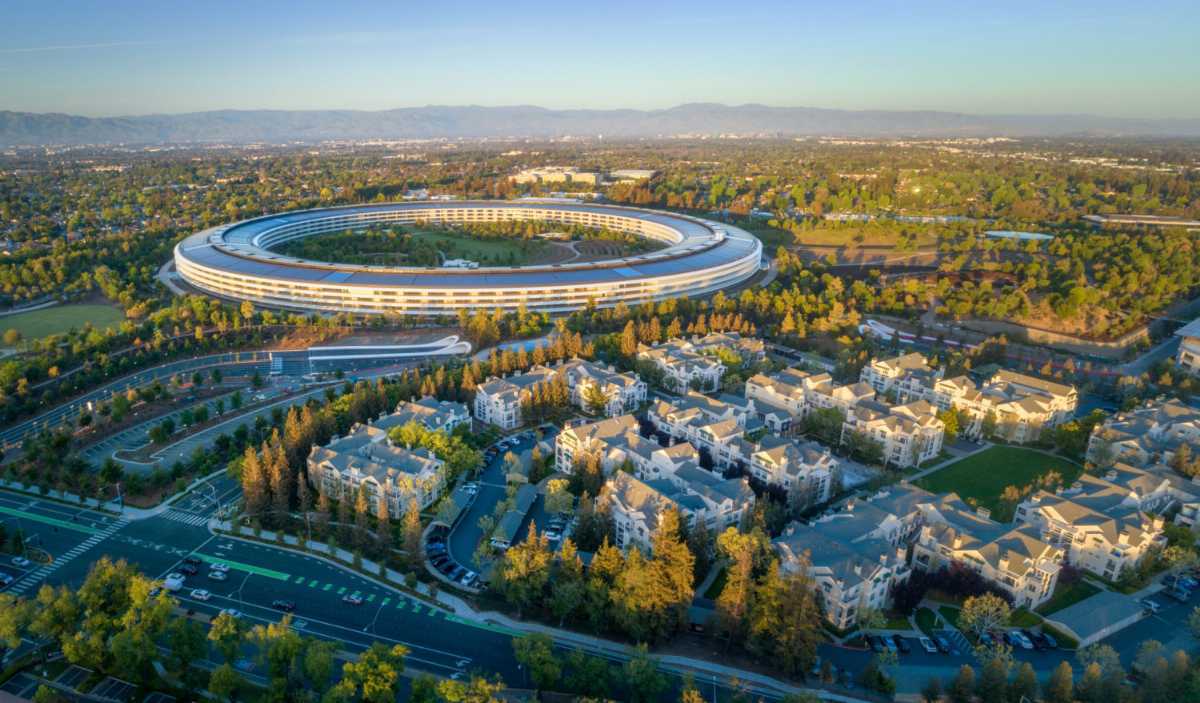
The use of NDAs was once the domain of Silicon Valley giants and high-profile celebrity settlements. By bringing these tools into the federal workforce, we are seeing the “corporatization” of the public sector. In a company, an NDA protects trade secrets to ensure profit; in a government, “secrets” often involve the exercise of power over citizens.
The trend suggests a future where government employees are viewed more as “corporate assets” than public servants. When loyalty to the administration outweighs the duty to the public, the risk of systemic corruption increases. We have seen this pattern in various global regimes where “national security” becomes a convenient umbrella for hiding political embarrassment.
The Legal Battleground: First Amendment vs. Executive Order
Legal experts, including those from the ACLU, argue that broad gag orders are a direct affront to the First Amendment. The core of the future legal battle will likely center on the definition of “confidential.”
If “pre-decisional material” is classified as confidential, it could mean that the internal debates and warnings provided by experts to policymakers are hidden from the public. This removes the “paper trail” that historians and oversight committees rely on to understand why catastrophic policy decisions were made.
The Digital Arms Race: Leaks in the Age of Encryption
History shows that the more a government tries to seal its lips, the more creative the leaks become. From the Pentagon Papers to the Snowden revelations, the drive to expose government overreach has always found a way.
Moving forward, People can expect a surge in the use of encrypted communication tools like Signal and ProtonMail among civil servants. As official channels become monitored and NDAs become more threatening, the “shadow communication” network will grow. This creates a paradox: the government may have more legal tools to punish leakers, but it will have less actual control over the flow of information.
Whistleblower Protections: A Dying Shield?
While laws like the Whistleblower Protection Act are designed to protect those who report waste, fraud, and abuse, the introduction of broad NDAs creates a “chilling effect.” Many employees will not risk the legal fees or the career suicide of challenging an NDA in court, even if their disclosure is legally protected.
We are likely to see a trend where whistleblowers no longer go to the press first, but instead seek “safe harbor” through anonymous portals or third-party legal intermediaries. The future of accountability may depend less on the bravery of individuals and more on the robustness of the technology used to protect them.
Case Study: The Cost of Silence
Consider the historical impact of the “deep state” narrative. When legitimate experts within the government are muzzled, the public is left with only the official narrative. In past instances where internal warnings were ignored—such as in intelligence failures leading up to major conflicts—the lack of transparency prevented the public from questioning the trajectory of the state until it was too late.
The Future of Democratic Accountability
If the trend toward secrecy continues, the “right to know” will shift from a presumption of transparency to a request for permission. This fundamentally changes the power dynamic of a democracy.
To counter this, we may see a rise in “Transparency Legislation” at the state level or through judicial precedents that strictly limit the scope of government NDAs. The goal will be to ensure that “confidentiality” applies to national security—not political convenience.
Frequently Asked Questions
What is the difference between a leak and whistleblowing?
A leak is generally the unauthorized release of information to the public or media. Whistleblowing is the act of reporting waste, fraud, or abuse through official channels or protected legal avenues.
Can an NDA stop a federal worker from talking to Congress?
Generally, no. Congressional subpoenas and the legal requirements to testify before oversight committees typically override administrative NDAs.
Are government contractors subject to these same rules?
Current proposals often distinguish between federal employees and contractors. However, contractors are usually bound by their own separate, often more stringent, corporate NDAs.
What do you think? Does the need for government efficiency and security outweigh the public’s right to know how decisions are made? Or are we stepping into a dangerous era of state-sponsored secrecy?
Share your thoughts in the comments below or subscribe to our newsletter for more deep dives into the intersection of law and power.