
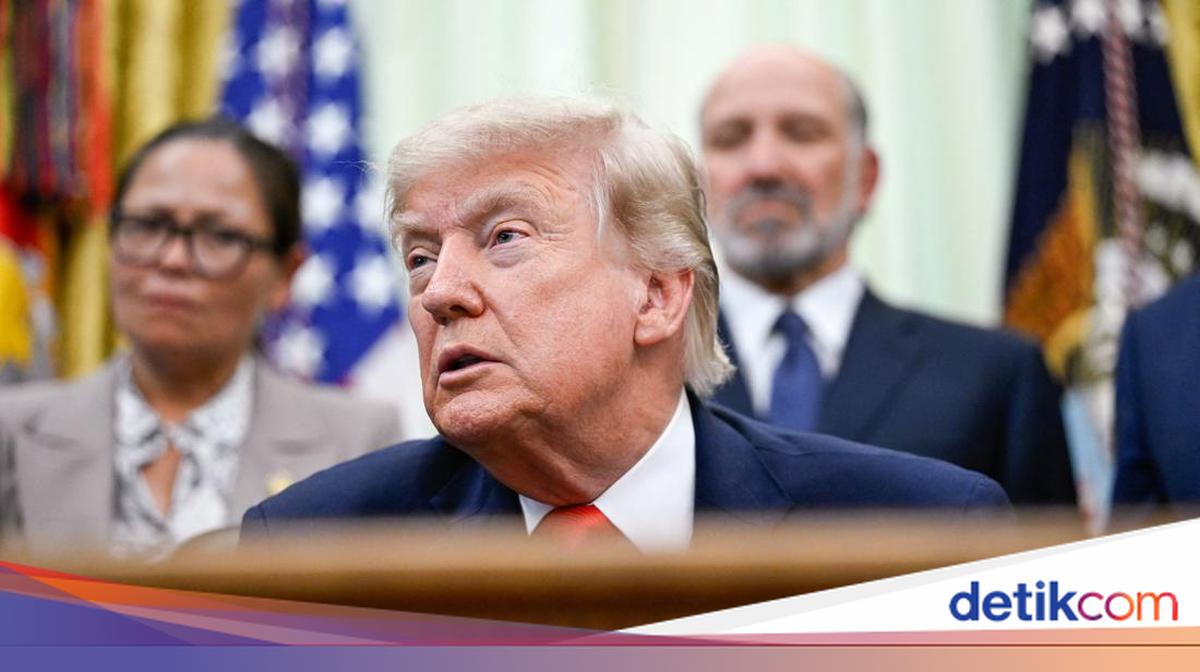
Trump Announces Middle East Peace Deal to Reopen Strait of Hormuz
US President Donald Trump announced a scheduled agreement to end the Middle East war, aiming to reopen the strategic Strait of Hormuz for global trade. While Trump cited a signing date of June 14, 2026, Iranian Foreign Ministry spokesperson Esmaeil Baghaei reported on June 13 that Tehran is still completing an internal review of the draft.
Why is the reopening of the Strait of Hormuz critical?
The Strait of Hormuz serves as a primary artery for the world’s energy trade. According to reports from AFP, the reopening of this maritime corridor is expected to stabilize global oil and gas distribution. Because a significant portion of the world’s petroleum passes through this narrow chokepoint, any prolonged closure threatens global energy prices.
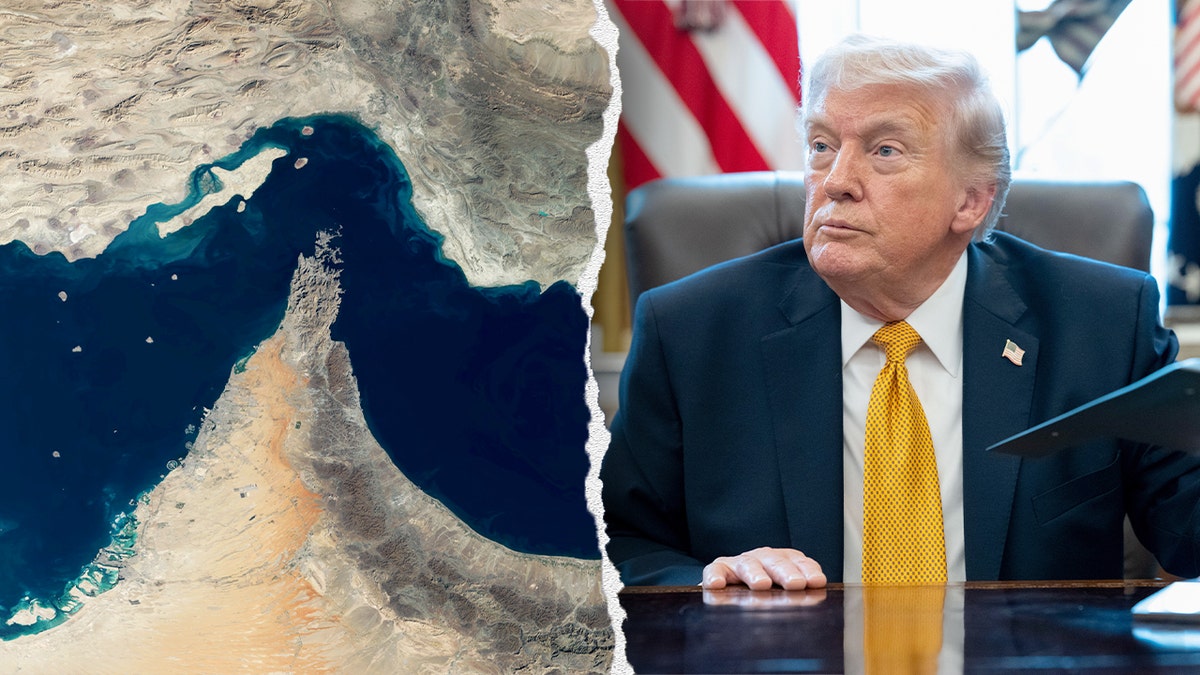
International observers note that returning the strait to “open for all” status would reduce geopolitical friction in the region. This move is intended to ensure that energy supplies reach markets without the threat of blockade or military interference.
What is the discrepancy between US and Iranian claims?
President Trump used his Truth Social platform on Saturday, June 13, to claim that the long-awaited deal was scheduled for signing the following day. He explicitly stated that once the ink is dry, the Strait of Hormuz would be “OPEN FOR ALL.”
Tehran offers a more cautious timeline. Esmaeil Baghaei, spokesperson for the Iranian Foreign Ministry, told government television on June 13 that while common ground has been reached on most issues, the process is currently in the “final stage of internal review.”
Baghaei refused to confirm reports regarding the specific contents of the deal. He indicated that several Iranian institutions are still debating the final position on the draft, contradicting the timeline suggested by the US President.
Comparing the Official Positions
| Source | Claimed Status | Timeline |
|---|---|---|
| Donald Trump (USA) | Agreement scheduled/signed | June 14, 2026 |
| Esmaeil Baghaei (Iran) | Final internal review | Unconfirmed/Pending |
How will this deal impact global energy markets?
Market analysts often link the stability of the Strait of Hormuz to the International Energy Agency (IEA) projections for oil price stability. A verified agreement would likely remove the “risk premium” currently baked into oil prices due to Middle East tensions.
If the deal holds, shipping companies can resume standard routes without the need for expensive insurance premiums or naval escorts. This reduction in overhead typically translates to lower costs for energy consumers globally.
Frequently Asked Questions
When will the Strait of Hormuz reopen?
President Trump stated it would reopen immediately following the signing of a deal on June 14, 2026, though Iran has not confirmed this date.
Who is Esmaeil Baghaei?
He is the spokesperson for the Iranian Ministry of Foreign Affairs and the primary official providing updates on Tehran’s internal review of the peace draft.
Is the peace deal finalized?
According to the Iranian government, most issues have reached a consensus, but the document is still undergoing a final internal review process.
For more updates on geopolitical shifts and energy security, explore our Geopolitics Analysis section.
What do you think about the timeline of this agreement? Let us know in the comments below or subscribe to our newsletter for real-time alerts on Middle East diplomacy.