
/data/photo/2026/05/19/6a0bbcb947fd7.jpg "Trump Cancels AI Executive Order to Protect US Tech Edge Over China")
Trump Cancels AI Executive Order to Protect US Tech Edge Over China
The Great AI Tug-of-War: Innovation vs. Oversight
The tension between government regulation and technological acceleration has reached a boiling point. When policymakers attempt to draw boundaries around Artificial Intelligence, they aren’t just writing laws; they are attempting to steer the direction of human intelligence itself. But as we’ve seen, the architects of this technology—the billionaires and engineers—are rarely willing to let the steering wheel go.
The core of the conflict lies in a fundamental disagreement: is AI a public utility that requires strict safety guardrails, or is it a strategic weapon in a global cold war? For tech giants, any delay—even a “voluntary” 90-day notification period before a product launch—is seen as a catastrophic bottleneck. In the world of LLMs (Large Language Models), a three-month delay can be the difference between market dominance and obsolescence.
The Geopolitical Stakes: Why Speed is the New Currency
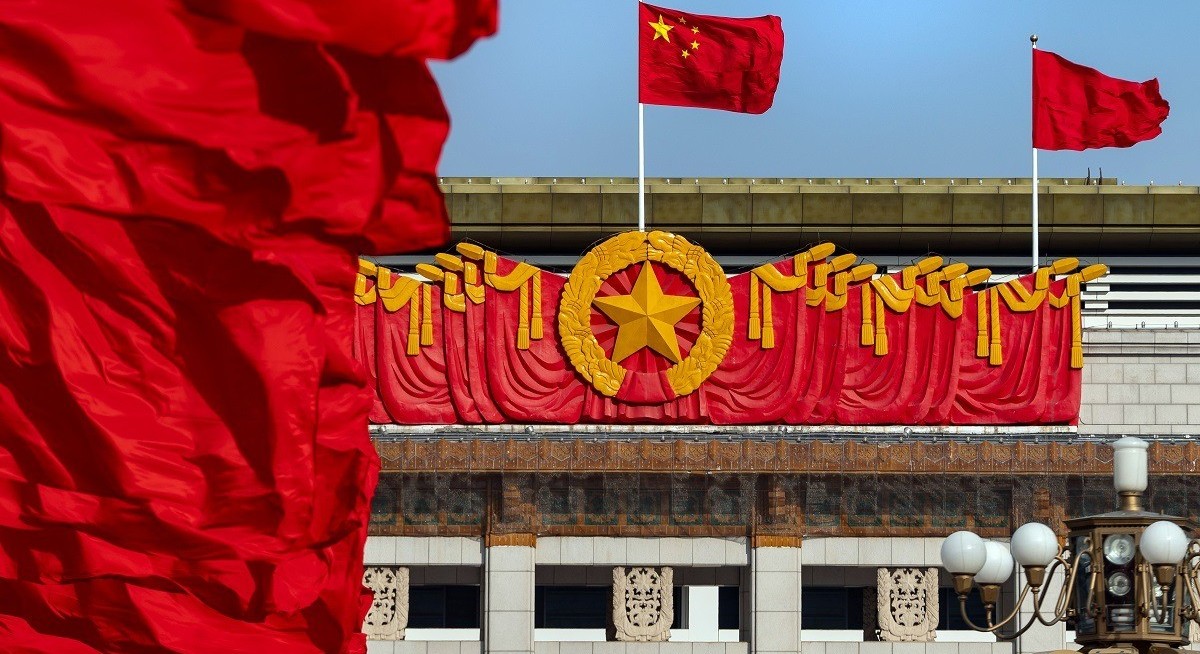
The narrative of “safety” often clashes with the reality of “competition.” The primary argument used by industry leaders to ward off regulation is the “China Factor.” The fear is simple: if the U.S. Imposes strict oversight, China will simply move faster, achieving Artificial General Intelligence (AGI) first and setting the global standards for AI ethics and control.
This creates a paradoxical environment where the most powerful companies in the world argue that they are “too important to be regulated.” By framing AI development as a patriotic necessity, tech moguls can effectively pivot the conversation from corporate profit to national security.
The Risk of “Regulatory Capture”
There is a subtle danger here known as regulatory capture. This happens when the industries being regulated exert so much influence over the regulators that the resulting rules actually protect the incumbents. By pushing for “voluntary protocols” rather than hard laws, big players can ensure the barrier to entry remains high for smaller startups while they maintain a flexible operational environment.
For more on how this affects global markets, check out our analysis on the shifting dynamics of the global semiconductor supply chain.
Future Trends: The New Era of AI Governance
Moving forward, we are unlikely to see a single, monolithic “AI Law.” Instead, we are entering an era of fragmented, agile governance. Here is how the landscape is likely to shift:
1. The Shift Toward “Soft Law”
Expect a move away from rigid Executive Orders and toward “Memorandums of Understanding.” Governments will likely rely on voluntary commitments from companies like OpenAI, Meta, and Google. This allows politicians to claim they are overseeing safety without actually slowing down the innovation engine that drives the stock market.
2. The Divergence of Open vs. Closed AI
The battle between “Open Source” (like Meta’s Llama) and “Closed Source” (like OpenAI’s GPT series) will become a political battleground. Regulators may attempt to restrict open-source weights to prevent “bad actors” from creating bio-weapons, while tech leaders will argue that open-source AI is the only way to prevent a corporate monopoly on intelligence.
3. AI-Driven Regulation
Ironically, the only way to regulate AI at scale will be to use AI. We will likely see the rise of “RegTech” (Regulatory Technology), where government agencies deploy their own AI agents to monitor the outputs and safety benchmarks of private sector models in real-time, replacing slow, manual audits with continuous automated oversight.
The “Billionaire Influence” Factor
We are witnessing the rise of the “Tech-Politician.” Figures like Elon Musk and Mark Zuckerberg no longer just lobby governments; they integrate themselves into the policy-making process. When the people building the tools are the ones advising the people writing the laws, the line between public interest and private gain blurs.
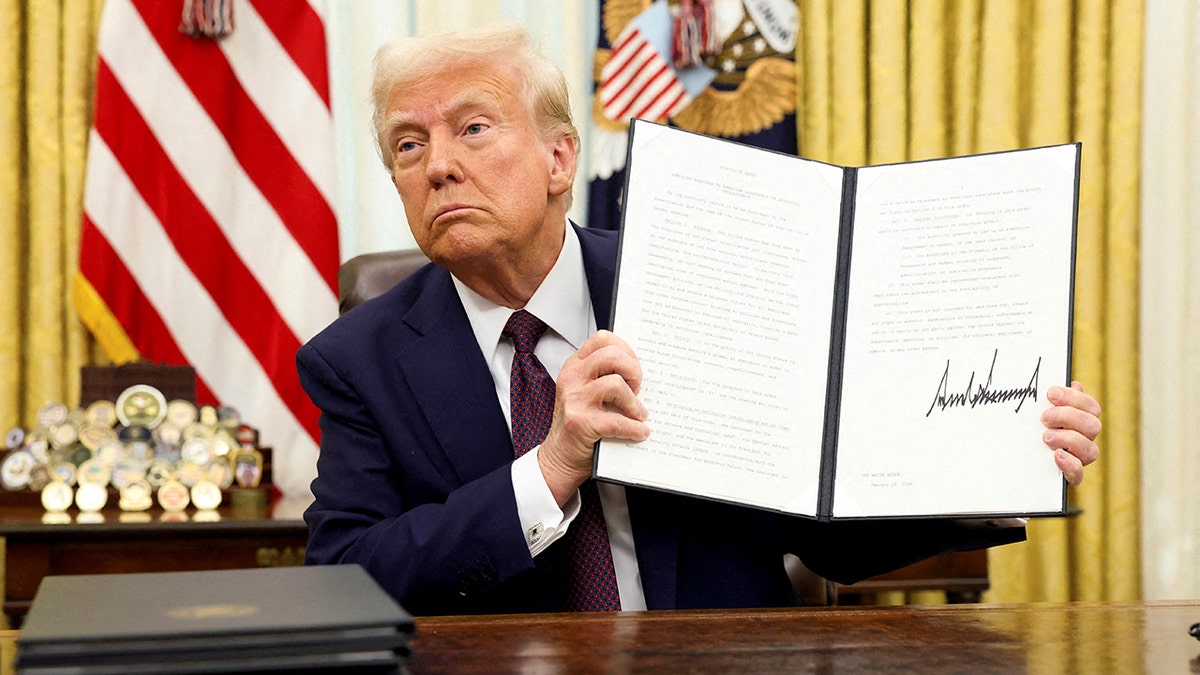
This relationship suggests that future AI trends will be driven as much by the personal philosophies of a few individuals as they are by democratic legislation. Whether it’s a push for “accelerationism” or a call for “alignment,” the trajectory of AI is currently being decided in private boardrooms and high-level dinners.
To understand the broader impact of these power shifts, read our guide on how algorithmic governance is reshaping modern society.
Frequently Asked Questions
Will AI ever be fully regulated?
It is unlikely. Because AI evolves faster than the legislative process, we will likely see a “cat-and-mouse” game where laws are outdated by the time they are signed.
Why is the US-China AI race so important?
The first nation to achieve a significant lead in AI will have an unprecedented advantage in cybersecurity, military intelligence, and economic productivity.
What is a “voluntary protocol” in AI?
It is an agreement where companies promise to follow certain safety guidelines without the threat of legal penalties or fines if they fail.
Does regulation actually slow down AI?
In the short term, yes—by adding compliance layers. In the long term, it can actually help by creating a stable, predictable environment that encourages institutional investment.
Join the Conversation
Do you think AI should be regulated by the government, or should we trust the innovators to guide the way? Does the “China Factor” justify skipping safety checks?
Share your thoughts in the comments below or subscribe to our newsletter for weekly deep dives into the future of tech.