
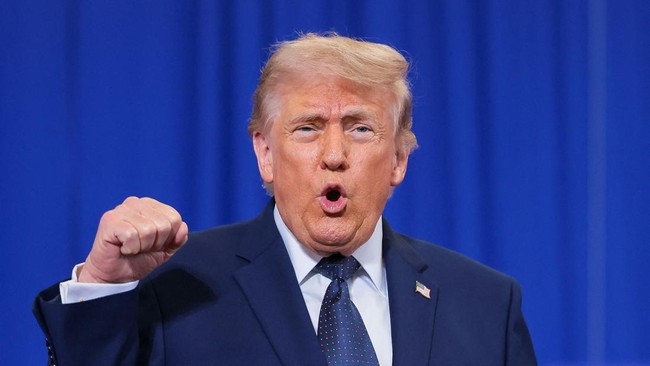
Trump Claims Peace Deal With Iran, Cancels Planned Airstrikes
President Donald Trump announced a major peace deal with Iran on June 11, 2026, to end the total war in the Middle East, leading to the immediate cancellation of scheduled airstrikes. While Trump claims regional consensus, Iran’s Fars News Agency denies any signed agreement, calling the announcement a “tactical retreat” by the United States.
Why did Donald Trump cancel the airstrikes on Iran?
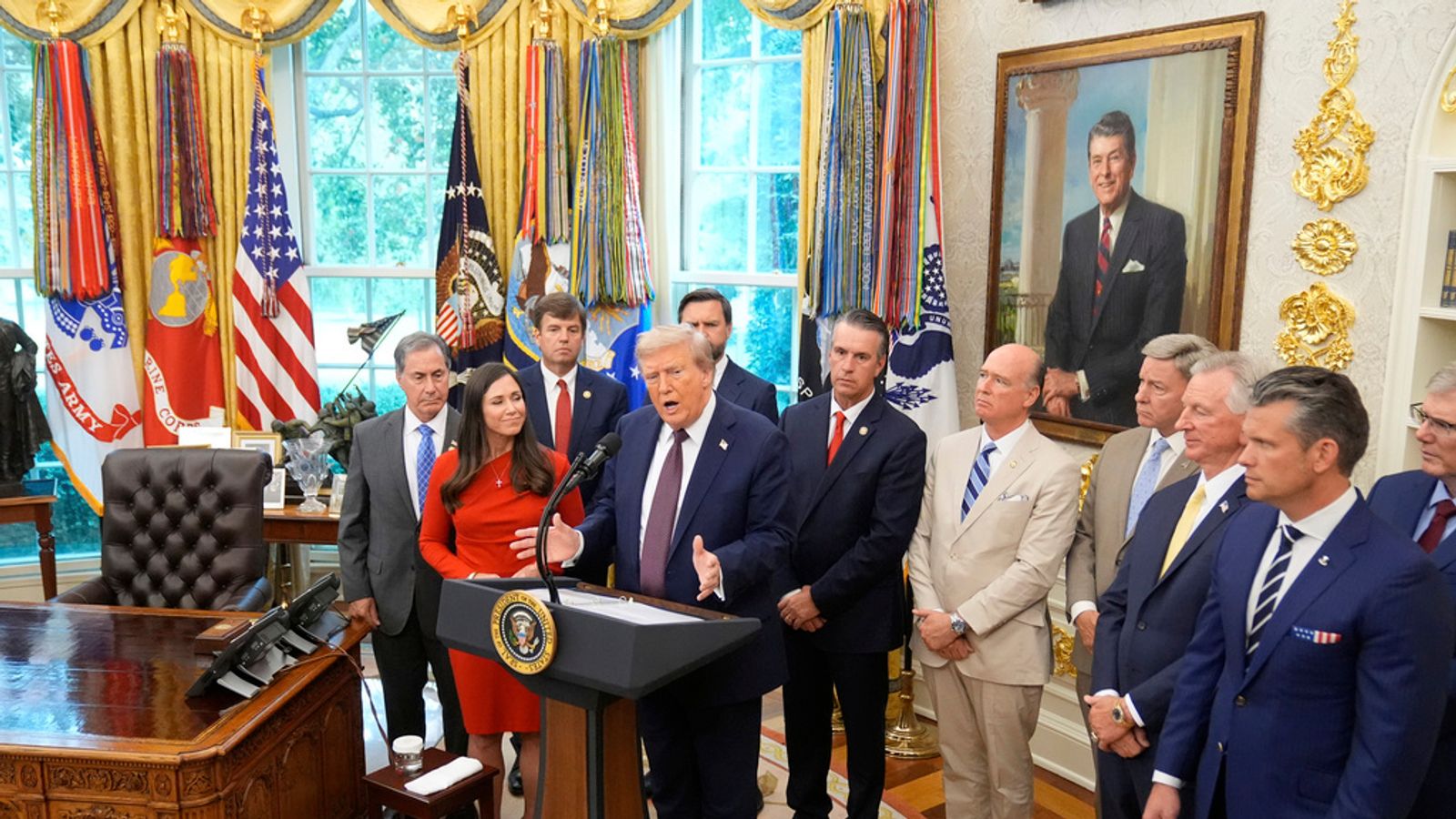
President Trump canceled all scheduled air bombings of Iranian territory on June 11, 2026, citing a diplomatic breakthrough. Speaking to reporters in the Oval Office, Trump stated that a draft agreement is currently being finalized. He promised to reopen the Strait of Hormuz for global energy supplies once the documents are signed.

The decision followed a sharp reversal in rhetoric. Hours before the announcement, Trump had threatened to hit Iran “very hard” and expressed intentions to seize Kharg Island to control the nation’s oil and gas markets, according to reports from CNBC Indonesia.
Does Iran agree that a peace deal has been reached?
Tehran has formally denied the White House’s claims. The government-run Fars News Agency announced via Telegram that Iranian authorities haven’t approved any text regarding a Memorandum of Understanding (MOU) with the U.S.

Fars characterized Trump’s move as a “tactical retreat.” The agency claimed Trump failed to secure new, favorable terms in the draft agreement previously proposed by Iran. According to the Fars report, the U.S. has actually reverted to its previous demands rather than reaching a new consensus.
Despite the denial, Iran indicated the door to peace isn’t closed. Tehran officials suggested they might re-examine the agreement since the White House has shown a willingness to soften its position and accept Iran’s original draft text.
How is Israel responding to the potential agreement?
Prime Minister Benjamin Netanyahu confirmed he spoke with Trump via telephone regarding the MOU. While Israel isn’t a direct party to the negotiations, Netanyahu’s office released a statement appreciating Trump’s commitment to include “strict restrictions” on Iran’s nuclear capabilities in the final deal.
This creates a distinct contrast in the narrative: Trump frames the deal as a broad coalition effort involving Israel, Saudi Arabia, the UAE, Qatar, Turkey, Pakistan, Bahrain, Kuwait, Jordan, and Egypt, while Israel remains focused specifically on the nuclear containment aspect.
What happens next for global markets and the U.S. military?
Financial markets reacted instantly to the news of the cancelled strikes. International stock indices surged, and crude oil prices dropped to their lowest levels shortly after the announcement.
However, the military situation remains tense. The U.S. military confirmed that the naval blockade of Iranian logistics ports in the Gulf of Oman stays in full effect. Officials stated the blockade will only be lifted after the peace documents are legally finalized and signed by both parties.
Comparison: Trump’s Claims vs. Iran’s Position
| Feature | Trump / White House Claim | Iran / Fars News Claim |
|---|---|---|
| Agreement Status | Draft awaiting finalization | No text approved |
| Motivation | Diplomatic success | Tactical retreat / Failure |
| Military Action | Airstrikes cancelled | U.S. softened its stance |
Frequently Asked Questions
Is the peace deal between the US and Iran officially signed?
No. According to President Trump, the agreement is in the finalization stage. Iran’s Fars News Agency denies that any agreement has been reached.
Will the US Navy stop the blockade in the Gulf of Oman?
Not yet. The US military has stated the blockade remains in place until all legal documents are signed and finalized.
Which countries are supporting the deal?
President Trump listed Israel, Saudi Arabia, UAE, Qatar, Turkey, Pakistan, Bahrain, Kuwait, Jordan, and Egypt as supporters of the move to cancel the attacks.
Why did oil prices drop?
The market responded to the cancellation of airstrikes and the potential reopening of the Strait of Hormuz, which reduces the risk of supply disruptions.
What do you think about the conflicting reports from Washington and Tehran? Is this a genuine peace breakthrough or a strategic move? Let us know in the comments below or subscribe to our newsletter for real-time geopolitical updates.