
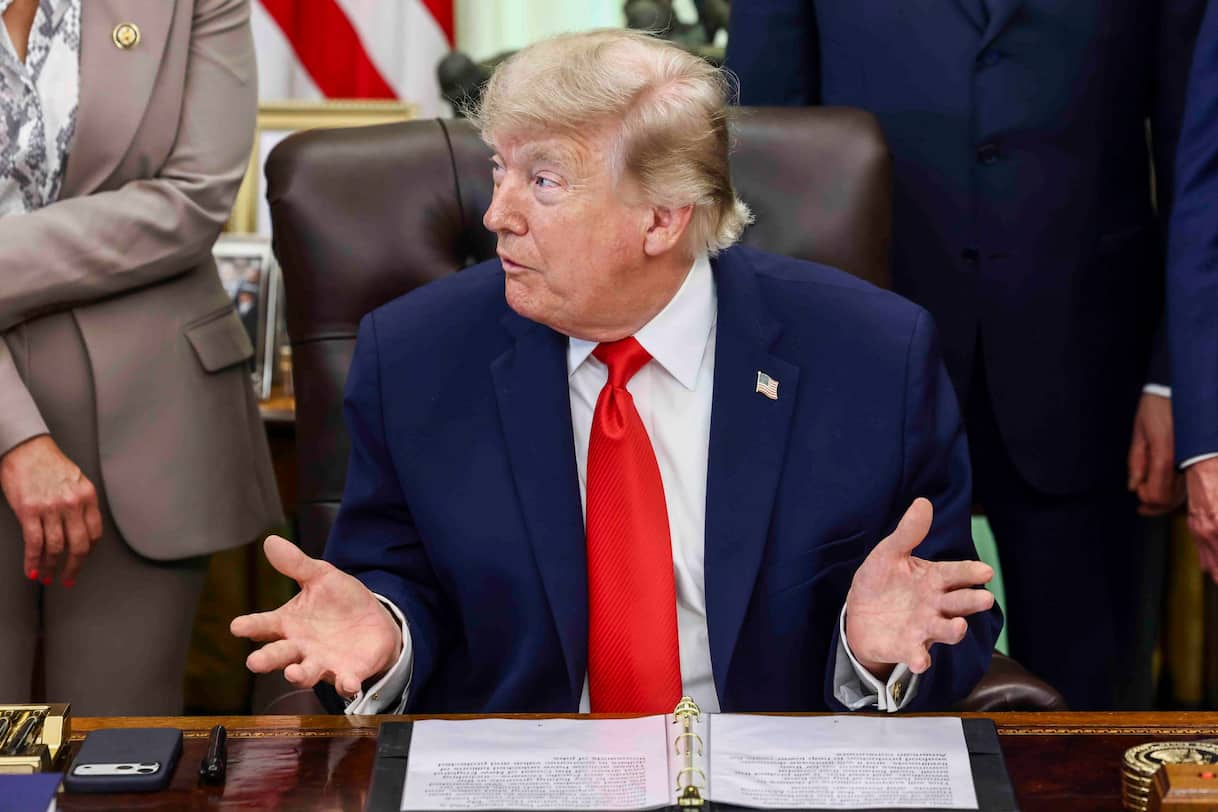
Trump Claims Solo Victory as US and Iran Near Peace Deal
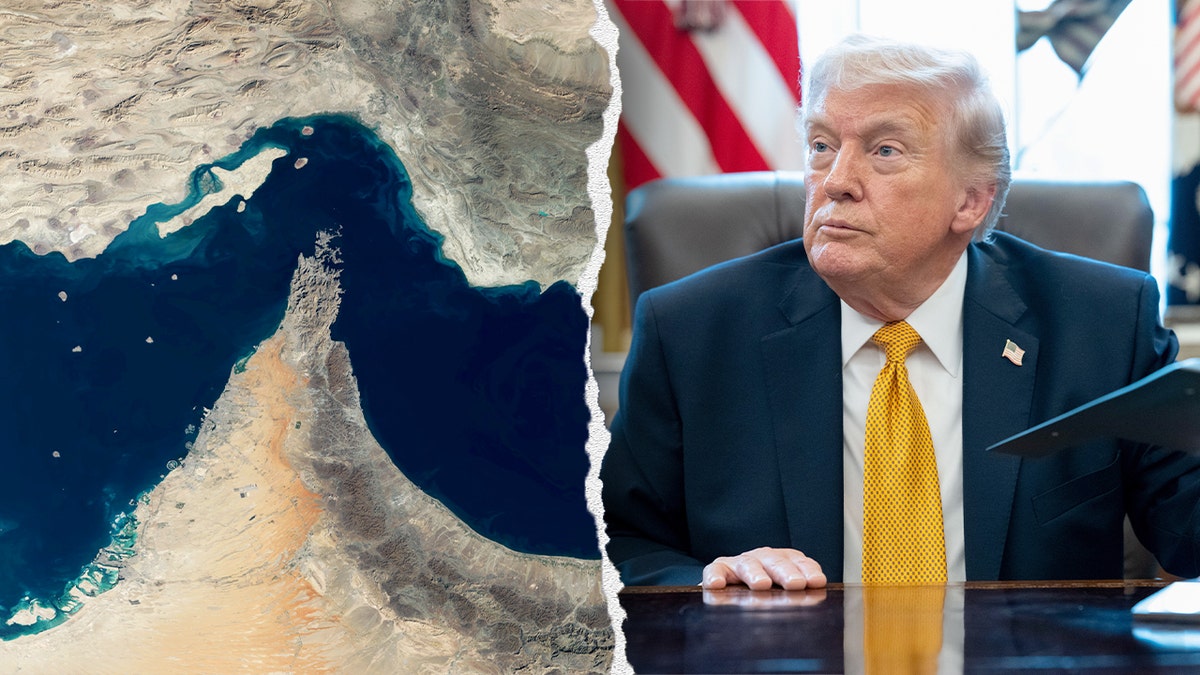
President Donald Trump has announced a preliminary agreement with Iran to end the conflict, potentially including a 60-day ceasefire and the reopening of the Strait of Hormuz. According to reports from Axios and Reuters, the deal involves Iranian commitments to halt nuclear weapons development in exchange for sanctions relief and the unfreezing of billions in assets.
Why does the “Islamabad Agreement” change Middle East stability?
The proposed deal, referred to by some sources as the Islamabad Agreement, seeks to freeze hostilities across multiple fronts. According to a US official, the intesa includes a ceasefire in Lebanon. This is a critical shift because Tehran has long insisted that any deal with Washington must address the conflict between Israel and Hezbollah.
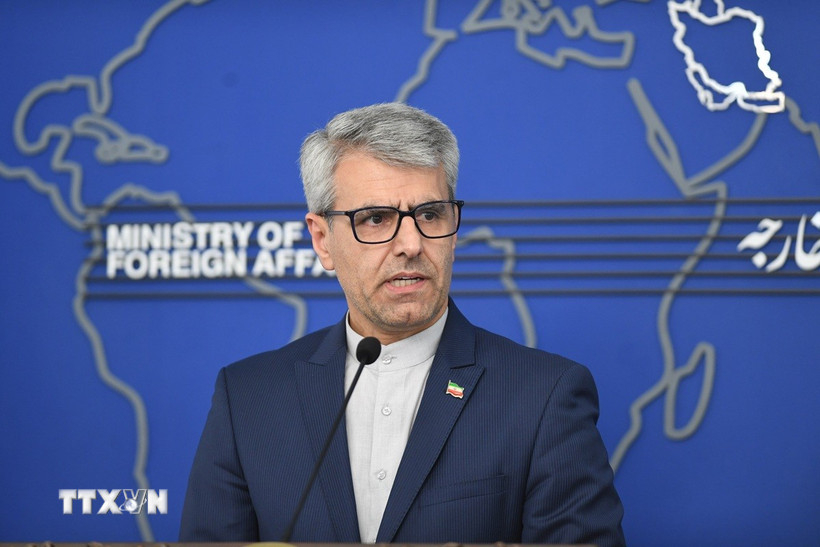
However, the parties are not in full alignment. While Donald Trump stated from the Oval Office that he “obtained everything we wanted,” Iranian Foreign Ministry spokesperson Esmail Baghaei told reporters there is “no definitive conclusion” yet. Baghaei claimed the US has attempted to impose “unreasonable requests” in recent days.
How will the reopening of the Strait of Hormuz affect global energy?
Global markets reacted immediately to the news of a potential diplomatic breakthrough. Oil prices in New York dropped 4%, with Brent crude falling below $87 per barrel, according to market data. Natural gas prices on the Amsterdam market saw an even steeper decline, falling 7% to 46 euros per Megawatt-hour.
The Strait of Hormuz is the world’s most important oil transit chokepoint. Trump announced the strait would reopen shortly after the agreement, though the naval blockade remains in effect for now. This move aims to stabilize energy costs, which Italian Economy Minister Giancarlo Giorgetti noted have weighed heavily on European competitiveness.
Will Iran actually stop its nuclear program?
There is a clear contradiction between how Washington and Tehran are framing the nuclear terms. Donald Trump claimed during a virtual rally that Iran “accepted to not have nuclear weapons,” calling this the “95% of the issue.”
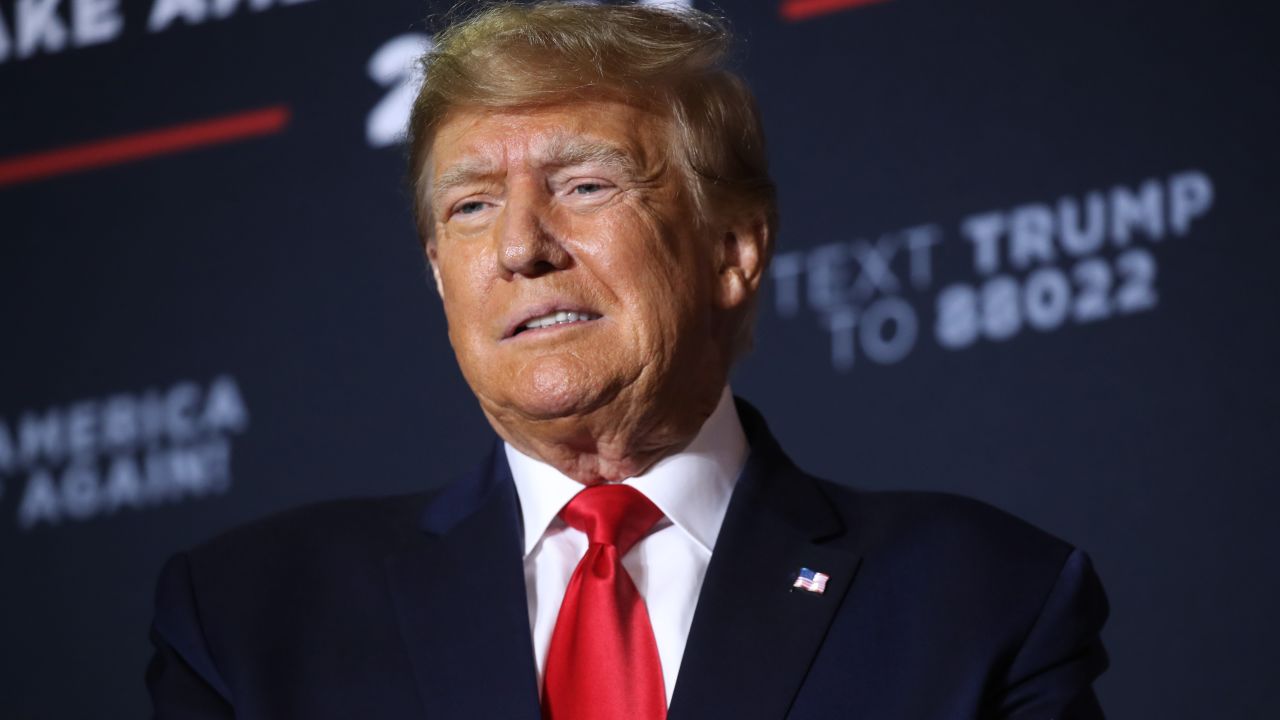
In contrast, the official Iranian news agency Irna reported that Tehran will “maintain the right to enrich uranium” in any final deal. This suggests a gap between a total ban on weapons and the continued right to civilian nuclear activity. A US official cited by Axios noted that one solution involves “down-blending” highly enriched uranium under UN supervision.
What happens to NATO and European security after US troop cuts?
The agreement with Iran coincides with a broader US strategy to reduce its global military footprint. According to the New York Times, the US plans to cut one-third of its fighter jets and several ships from European operations. Specifically, the plan involves reducing F-16 and F-15E aircraft from 150 to 100.
This reduction creates a security vacuum. Italian Foreign Minister Antonio Tajani responded to Trump’s claim that Europe was “irrelevant” by stating that if Europe wants to be less dependent on the US, it must “invest in security.” Tajani emphasized that security includes not just weapons, but cybernetic infrastructure and territorial control.
How is Israel responding to the US-Iran deal?
Israel finds itself in a precarious position. Prime Minister Benjamin Netanyahu stated he is in “full agreement” with Trump on preventing a nuclear Iran. However, Axios reported that Netanyahu was not informed in advance and was “caught by surprise” by the announcement.
Israel is not a formal party to the agreement. Defense Minister Israel Katz explicitly stated in a note that the IDF “will not withdraw from security zones in Lebanon, Syria, and Gaza.” This suggests that while the US and Iran may reach a diplomatic truce, Israel intends to maintain its own independent military red lines.
Comparison of Reported Agreement Terms
| Feature | US Position (Trump) | Iran Position (Media/Officials) |
|---|---|---|
| Nuclear Status | Total ban on nuclear weapons | Right to enrich uranium maintained |
| Hormuz Strait | Immediate reopening | No cession of control over the strait |
| Lebanon | Included in 60-day ceasefire | Crucial requirement for any deal |
Frequently Asked Questions
What is the Islamabad Agreement?
It is a proposed memorandum of understanding between the US and Iran to end the current war, featuring a 60-day ceasefire, sanctions relief, and the reopening of the Strait of Hormuz.
Who will sign the agreement?
According to Reuters and Bloomberg, the deal may be signed in Geneva by US Vice President JD Vance and Iranian Parliament Speaker Mohammed Ghalibaf.
Is the agreement finalized?
No. While Donald Trump says it is “practically done,” Iranian officials state it still requires approval from competent authorities and the Supreme Leader.
What do you think about the US move to reduce NATO forces in Europe? Is it time for the EU to build a fully independent military? Let us know in the comments below or subscribe to our newsletter for more geopolitical analysis.