
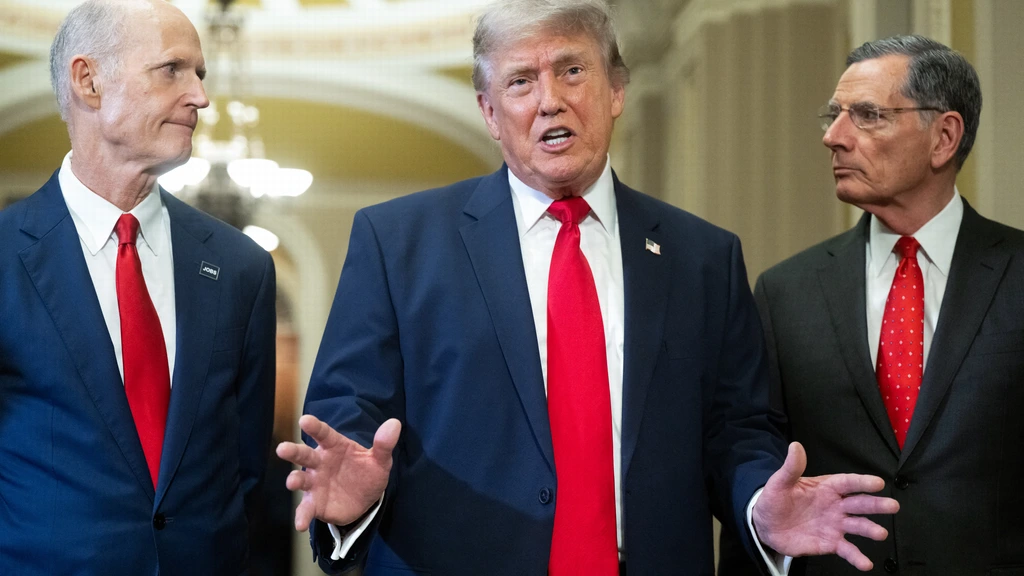
Trump Clashes with Republican Senators Over Iran War Strategy
A private lunch meeting between President Trump and Republican lawmakers on Capitol Hill devolved into a heated verbal confrontation yesterday, centered on ongoing conflicts in Iran. According to insiders, the president and Senator Bill Cassidy engaged in a shouting match, marking a significant escalation in internal party tensions following a recent Senate vote that challenged the administration’s war powers.
Did You Know? The Senate recently moved to reassert its constitutional authority, reminding the president that while he may initiate military action during an acute danger, he is required to secure Congressional approval within sixty days.
The Source of the Congressional Friction
The confrontation occurred after the Senate successfully passed a resolution regarding the Iran conflict, a move that bypassed the usual party-line voting patterns. While previous attempts at such resolutions failed due to the Republican majority, this week’s effort succeeded because four critical Republicans voted with the Democrats, alongside the absence of two other party members.
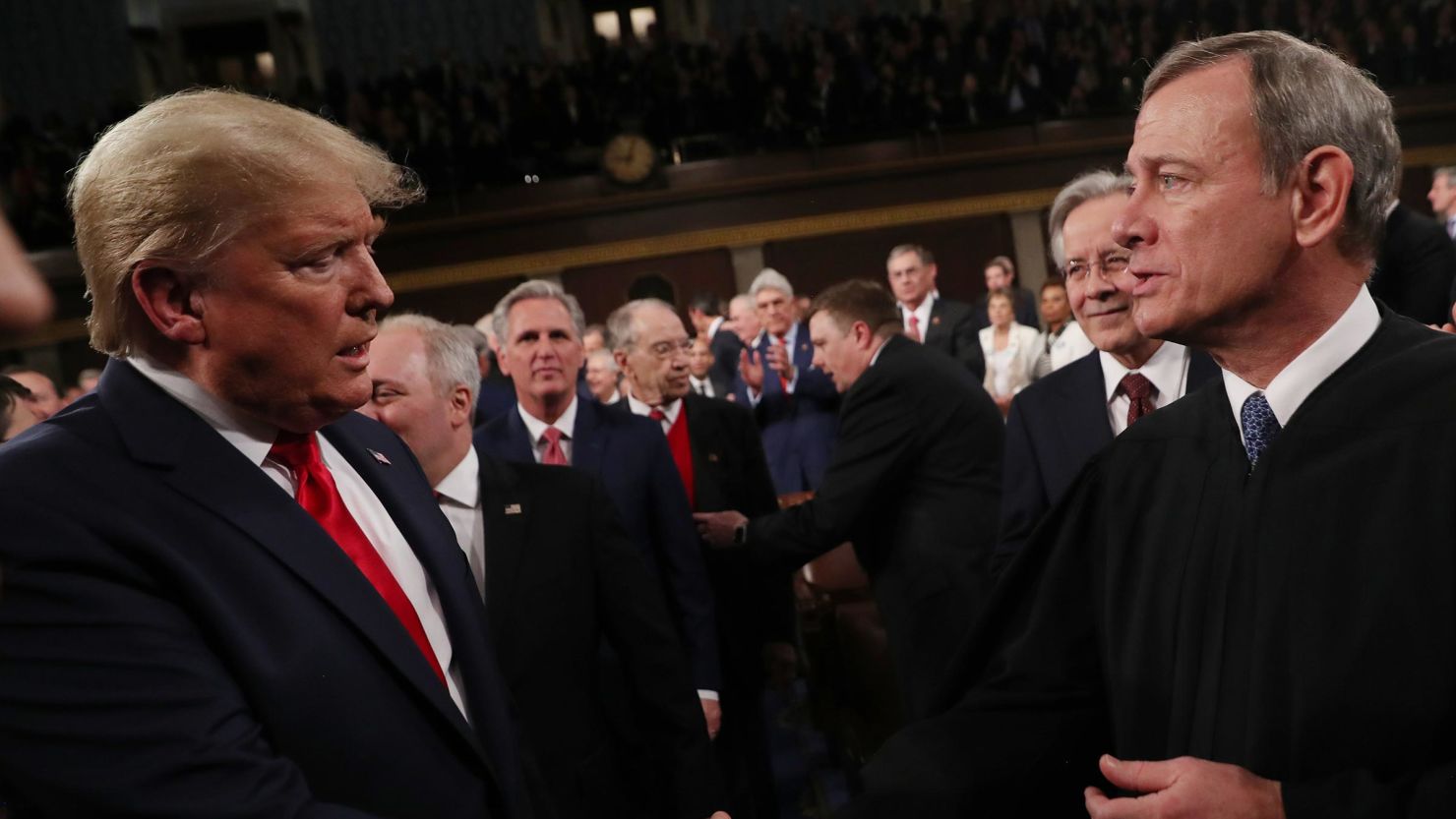
President Trump characterized the dissenting lawmakers as “losers” and suggested their actions were influenced by Democrats, arguing that internal criticism weakens his position during delicate negotiations. Senator Cassidy, however, countered that the administration failed to maintain transparency with Congress and the public, noting that a conflict originally expected to last four weeks has already stretched into its fourth month.
A Volatile Exchange
During the lunch, which was intended to focus on domestic legislation, the president challenged the lawmakers on their support for the resolution. When Cassidy questioned whether the inquiry was rhetorical or a genuine request for an answer, the situation intensified. According to Cassidy, the president raised his voice and made personal remarks regarding Cassidy’s recent loss in the Republican primary.
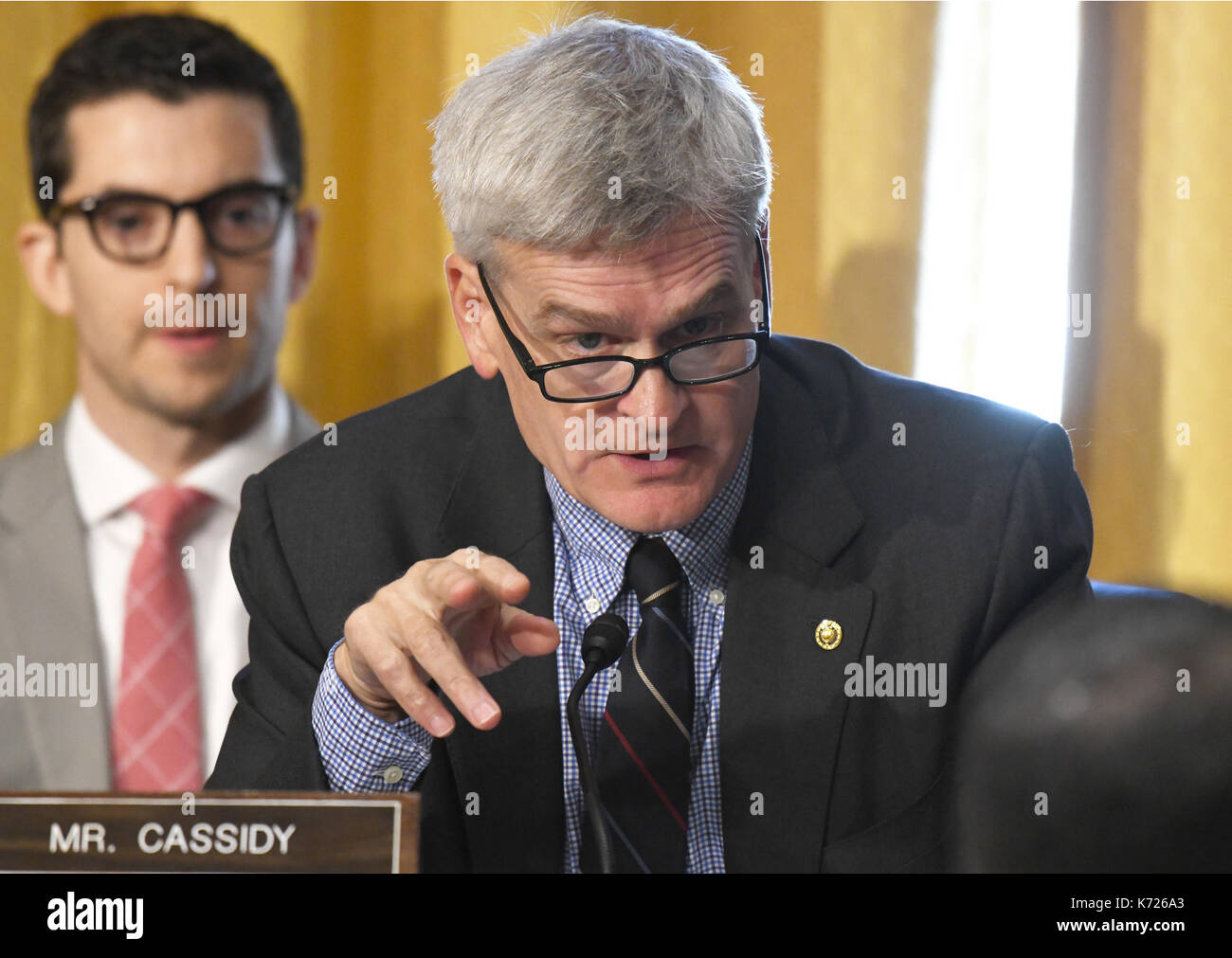
Other attendees offered varying perspectives on the tone of the meeting. Senator Ted Cruz described the discussion as “lively,” while Tommy Tuberville remarked that the president was simply “venting.” A source cited by Fox News characterized the intensity of the argument as a seven on a scale of ten, with one attendee likening the interaction to a dispute on a school playground.
Expert Insight: Samantha Carter notes that while the administration successfully managed to quell immediate dissent—with Senator Cassidy and Senator Rand Paul later tempering their opposition—the underlying conflict highlights a growing strain between the executive branch and legislative oversight. The administration’s reliance on direct intervention by Vice President Vance and special envoy Witkoff to secure party unity underscores the high political stakes as the White House attempts to maintain a unified front.
Financial Implications and Future Hurdles
The administration is now preparing for a significant legislative hurdle regarding funding. The president has formally requested an additional 88 billion dollars for special expenditures. This requested budget includes 17 billion dollars for Iran-related military operations, 21 billion dollars for munitions, 12 billion dollars for classified operations, 11 billion dollars for agricultural subsidies, and 1.4 billion dollars for Ebola response efforts.
It remains unclear when the Congress will vote on this multi-billion dollar package or how the internal Republican divisions will influence the final tally. While the immediate tension appears to have subsided, the upcoming vote on war funding may serve as a critical test for party cohesion.
Frequently Asked Questions
Why did the president and Senator Cassidy argue during the lunch?
The argument stemmed from a recent Senate resolution regarding the war in Iran. The president criticized lawmakers who voted for the measure, while Senator Cassidy argued that the administration had not been transparent enough with Congress regarding the conflict’s progress.

How did the White House respond to the dissent?
The administration held follow-up meetings with dissenting lawmakers, including an explanation session for Senator Cassidy led by Vice President Vance and special envoy Witkoff. Following these discussions, Cassidy did not oppose a subsequent resolution, and Senator Rand Paul opted to vote “present.”
What is the next major challenge for the president in Congress?
The president has requested 88 billion dollars in additional funding, which covers various areas including 17 billion dollars specifically earmarked for the war in Iran. The timing and outcome of the vote on this funding remain uncertain.
How do you believe the balance of power between the executive branch and Congress should be maintained during extended international conflicts?