
Trump Considers US Government Stakes in AI Companies
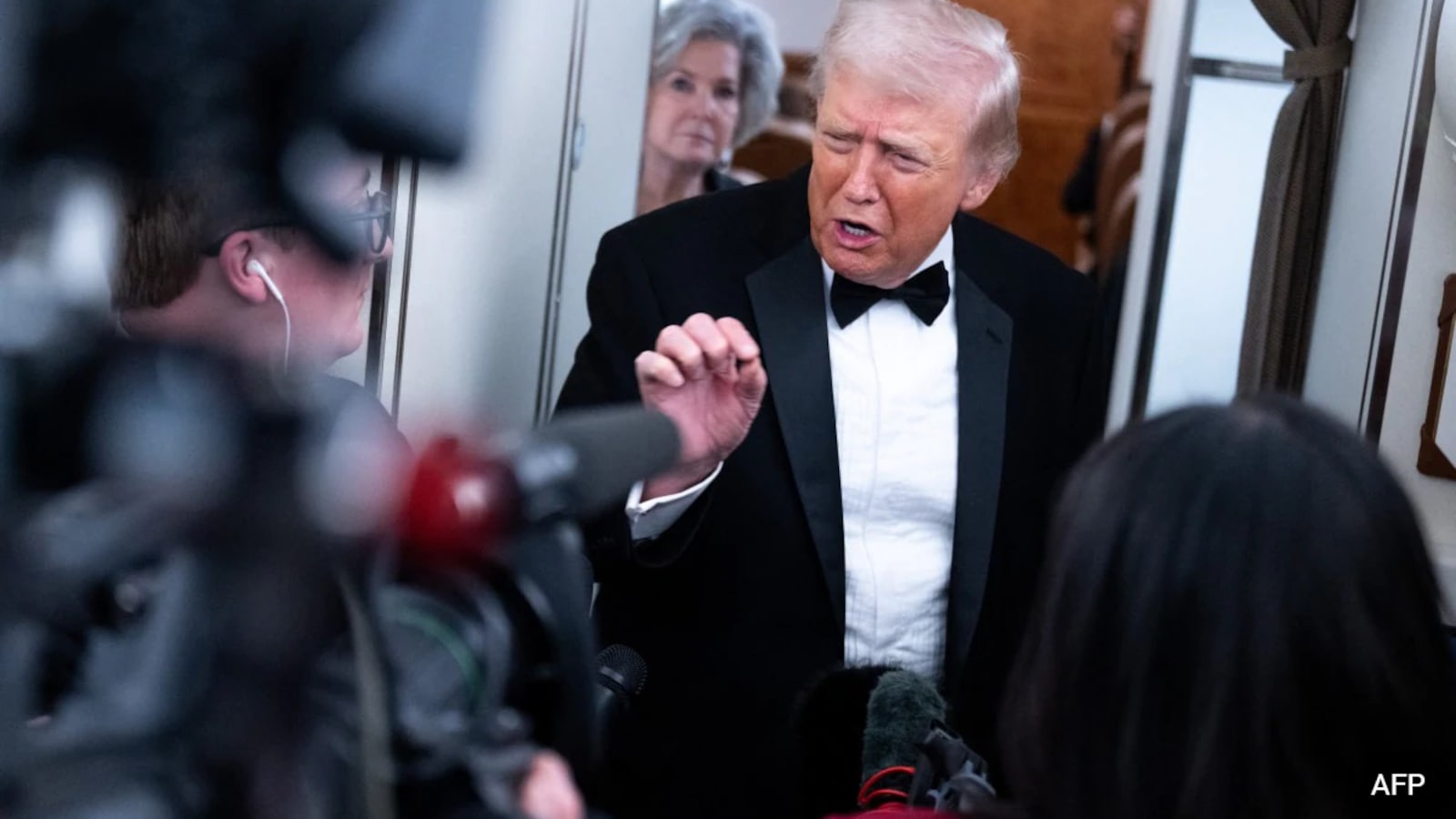
President Donald Trump is exploring a model where AI companies provide the American public with equity stakes, according to reports from NOTUS and statements made by the President aboard Air Force One. This strategy aims to create a “partnership” between the government and the tech sector to ensure the U.S. maintains its competitive edge over China.
Why is the U.S. government considering stakes in AI companies?
The push for government ownership in AI stems from a desire to treat artificial intelligence as critical national infrastructure rather than just private enterprise. According to reports from NOTUS, senior U.S. officials have already held preliminary talks with AI firms about the government purchasing shares.
This isn’t a random pivot. The Trump administration has already adopted a “strategic investment” approach in other sectors. For instance, the U.S. government has taken stakes in chipmaker Intel and several firms specializing in quantum computing and rare earth minerals. By owning a piece of the AI pie, the government gains more direct influence over how these tools are developed and deployed.
How would “public stakes” in AI firms actually work?
While the exact mechanism remains undecided, Trump described the idea as a “partnership with the American public.” In a traditional model, only venture capitalists and founders profit from the explosive growth of companies like OpenAI or Anthropic. A public stake model could potentially redistribute some of that wealth or give taxpayers a direct financial interest in the success of national AI goals.
Industry analysts suggest this could look like a sovereign wealth fund model or a government-mandated equity share in exchange for federal contracts or regulatory favors. It moves the U.S. closer to a “state capitalism” model, similar to how some East Asian economies accelerate tech growth through direct government funding and ownership.
What are the risks of powerful AI tools like Mythos?
The urgency for government oversight is driven by the sheer power of new models. Experts have raised alarms over Anthropic’s “Mythos” tool. According to reports, Mythos possesses capabilities that could drastically speed up sophisticated cyberattacks.
The banking sector is particularly at risk. Many financial institutions still rely on legacy systems—decades-old technology that is interconnected but fragile. A tool like Mythos could identify and exploit these systemic weaknesses faster than any human team could patch them. This is why the revamped executive order signed by Trump now asks AI developers to voluntarily submit their most capable models for government cybersecurity tests before public release.
Will this change how AI is regulated in the U.S.?
The administration is currently walking a tightrope between safety and speed. Trump previously cancelled an AI executive order slated for May 21 after the tech industry pushed back against its restrictive elements. He stated he didn’t want to take steps that might undermine the U.S. in its competition with China.
The current strategy is shifting from “hard regulation” (rules and bans) to “strategic partnership” (equity and voluntary testing). By becoming a shareholder, the government doesn’t just regulate the companies; it becomes a partner in their growth. This reduces the friction between Silicon Valley and Washington while still providing a “kill switch” or oversight mechanism for dangerous tools.
Comparing the Two Approaches to AI Governance
| Regulatory Model | Primary Tool | Goal |
|---|---|---|
| Hard Regulation | Executive Orders / Laws | Risk Mitigation & Safety |
| Strategic Partnership | Equity Stakes / Voluntary Tests | Competitive Edge & National Security |
Frequently Asked Questions
Will the average citizen get a check from AI companies?
It is unclear. Trump mentioned a “partnership with the American public,” but this could mean government-held shares that fund public services rather than direct payments to individuals.
Which companies are involved in these discussions?
Reports mention AI giants including OpenAI, Anthropic, Google, Meta (Facebook), and SpaceX as the primary entities of interest.
Why is China mentioned in these discussions?
The U.S. views AI as a “winner-take-all” race. If China achieves a breakthrough in Artificial General Intelligence (AGI) first, it could lead to an insurmountable lead in military and economic power.
For more insights on the intersection of technology and policy, check out our latest analysis on the future of semiconductor independence or visit the White House official briefings for the latest executive orders.
Join the Conversation in the Comments