

Trump Discusses US-Iran Deal to Reopen Strait of Hormuz
President Donald Trump recently convened a two-hour meeting with advisors in the White House “Situation” room. The discussions centered on a provisional agreement with Iran intended to reopen the frozen Strait of Hormuz.
Before the session, President Trump stated he was preparing to make a “final decision.” However, the meeting concluded without an official announcement that such a decision had been reached.
Terms of the Proposed Truce
Unofficial reports indicate that a memorandum of understanding for a 60-day truce involves a series of reciprocal demands and concessions. Under the proposal, shipping through the Strait of Hormuz must be “unlimited.”
Iran would be required to remove all mines from the strait within 30 days and commit to not pursuing nuclear weapons. In exchange, the United States would lift its naval blockade and certain sanctions to allow Iran to sell oil.
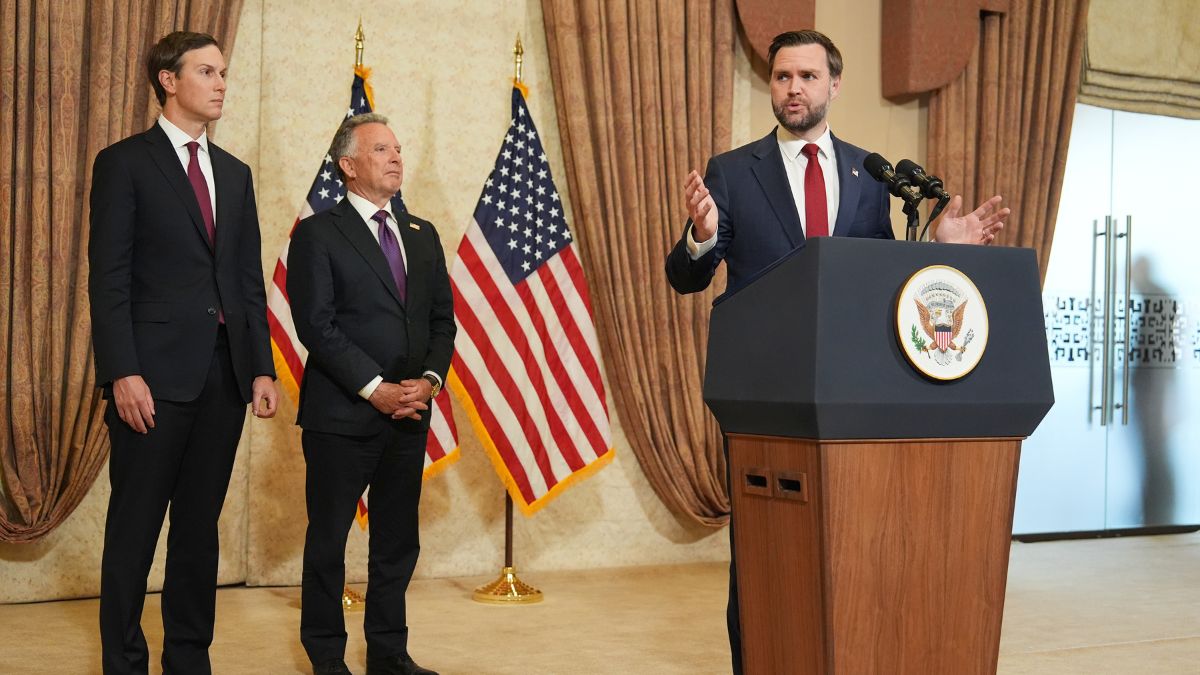
Vice President James David Vance noted that while progress toward extending the truce is significant, clarity is still needed on specific issues, including the language of the agreement. Vance suggested that Iranians appear to want a deal and the reopening of the strait.
Diplomatic Friction and Regional Control
Despite the potential for a deal, Iranian officials have expressed skepticism. Chief negotiator Mohammads Bagers Galibafs stated that Iran does not trust guarantees or words, asserting that “only action is the measure.”
Further complications have arisen regarding the monitoring of the strait. Iranian Foreign Minister Abass Aragči claimed to have discussed a plan with Oman’s Foreign Minister to oversee the strait and collect fees from crossing ships.
This proposal comes after Iran conducted dozens of drone strikes against Oman, a U.S. Ally. While the Omani government initially rejected the fee-collection scheme, it has since indicated the plan could be beneficial.
President Trump responded sharply to the idea of Omani or Iranian control, stating that the area consists of international waters. “No one will control them,” Trump asserted, warning that Oman must act like everyone else or the U.S. Would “have to blow them up.”
Economic Implications and Market Reaction
The potential for a peace agreement has already begun to influence global energy markets. U.S. Treasury Secretary Scott Besents reported that oil prices fell by approximately 10% in May.
Besents told reporters that market stabilization is a matter of time and that the oil market will be well-supplied once the blockade is resolved. He expects prices could decrease rapidly.
For weeks, mediators from the U.S. And Iran have attempted to reach this provisional agreement to end the protracted war. However, these efforts have been repeatedly disrupted by mutual accusations of delaying or distorting the terms.
Frequently Asked Questions
What are the primary requirements for Iran in the proposed memorandum?
Iran would need to ensure “unlimited” shipping through the Strait of Hormuz, remove all mines within 30 days, and commit to not seeking nuclear weapons.
How has the oil market responded to the news of potential negotiations?
Global oil prices decreased by approximately 10% in May, and Treasury Secretary Scott Besents expects prices to continue falling as the market stabilizes.
What is the U.S. Position on Oman’s potential role in the Strait of Hormuz?
President Trump has rejected any one entity controlling the strait, designating it as international waters and warning Oman against attempting to control the area.
Do you believe economic incentives like lifting oil sanctions are sufficient to ensure long-term regional stability?