
Trump Hints at Iran Deal Amid Escalating Middle East Tensions
President Donald Trump has indicated that negotiations with Iran are progressing “very well,” suggesting that a formal agreement could potentially be reached as early as this coming weekend. These diplomatic signals arrive amidst a backdrop of heightened military volatility in the Persian Gulf.
Diplomatic Breakthroughs and Strategic Claims
During conversations at the White House, President Trump stated that Washington is working to decouple Iran from tensions currently affecting Lebanon. He further revealed that the U.S. Has engaged in direct communication with Hezbollah for the first time, claiming the group agreed not to fire.
In a separate interview with Pod Force One, Trump asserted that Iran has agreed to forgo nuclear weapons, describing the development as a significant milestone. He also expressed a likelihood of meeting Ayatollah Mojtaba Khamenei in the future, noting the Ayatollah’s involvement in the ongoing negotiations.
Military Escalation in the Gulf
Despite the diplomatic optimism, the region has seen a surge in kinetic activity. U.S. Forces recently disabled a Botswana-flagged tanker attempting to reach an Iranian port in violation of the American blockade.
Iran responded by targeting the U.S.-Israeli vessel Panaya with missiles. Subsequently, U.S. Forces launched an attack on a telecommunications antenna on Qeshm island, triggering a wave of Iranian drone and missile strikes against U.S. Bases in Kuwait, Iraq, and alerts in Bahrain and Saudi Arabia.
Kuwaiti authorities reported that Iranian drones struck a passenger terminal at Kuwait International Airport. The attack resulted in one death, 63 injuries, and the temporary closure of air traffic, affecting vital civilian infrastructure and diplomatic missions.
The U.S.-Israel Strategic Alignment
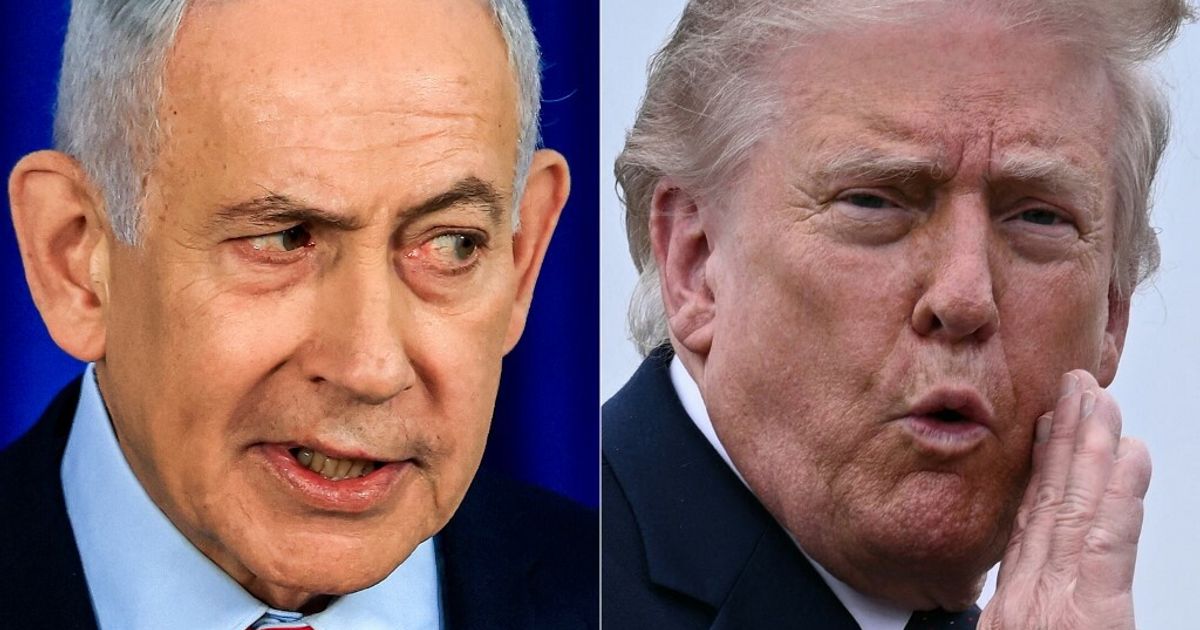
Prime Minister Benjamin Netanyahu has dismissed reports of a crisis between himself and President Trump, including claims of a heated phone call. Speaking to CNBC, Netanyahu described Trump as a “very good” partner, emphasizing that they agree on primary objectives.
Netanyahu acknowledged “tactical disagreements,” comparing them to those found in the best families, but maintained that they always find a resolution as “great friends.” A central point of agreement remains the prevention of Iran from acquiring nuclear weapons.
Conflicting Narratives on Combat Effectiveness
The Iranian Pasdaran claim to have executed “precise and concentrated” missile attacks against U.S. Military bases in Kuwait and the Fifth Fleet headquarters. They warned that any further aggression would meet a “seismic” and “overwhelming” response.
Conversely, U.S. Central Command (Centcom) has labeled these claims as “false.” Centcom asserts that Iranian missiles launched toward Kuwait and Bahrain were either neutralized, disintegrated in flight, or intercepted by air defence systems.
Future Outlook and Potential Scenarios
The immediate future of regional stability may hinge on the signing of the mentioned agreement. President Trump has promised that the Strait of Hormuz will be reopened “immediately after the signing.”
However, risks remain if diplomatic efforts stall. Iranian Foreign Minister Abbas Araghchi has warned that Iran would respond “decisively” should Israel launch an attack on Beirut.
A possible next step could involve a direct meeting between Trump and Ayatollah Khamenei, provided the current trajectory of negotiations remains positive.
Frequently Asked Questions
What is the current status of the Strait of Hormuz?
The area is currently under a U.S. Naval blockade. President Trump has stated it will reopen rapidly immediately after a deal with Tehran is signed.
What were the casualties of the attack in Kuwait?
The Iranian drone attack on the Kuwait International Airport passenger terminal caused one death and 63 injuries.
Has the U.S. Planned a ground invasion of Iran?
President Trump stated that the U.S. Does not need “boots on the ground,” claiming that bombings have already eliminated a large portion of Iran’s armed forces.
Do you believe diplomatic agreements can maintain long-term stability in the Persian Gulf despite ongoing military tensions?