

Trump Lifts Strait of Hormuz Blockade After Iran Peace Deal
US President Donald Trump announced on June 15, 2026, that a peace agreement with Iran has been reached, ending the US military blockade of the Strait of Hormuz. According to reports from CNN and AFP, the official signing will take place in Switzerland on June 19, involving a permanent end to military operations across all fronts, including Lebanon.
Why is the lifting of the Strait of Hormuz blockade significant?
The decision to end the naval blockade aims to stabilize global energy markets. President Trump stated on June 15 that he is authorizing the “opening of the Strait of Hormuz without toll fees” and the immediate withdrawal of the US Navy’s blockade, according to CNN.
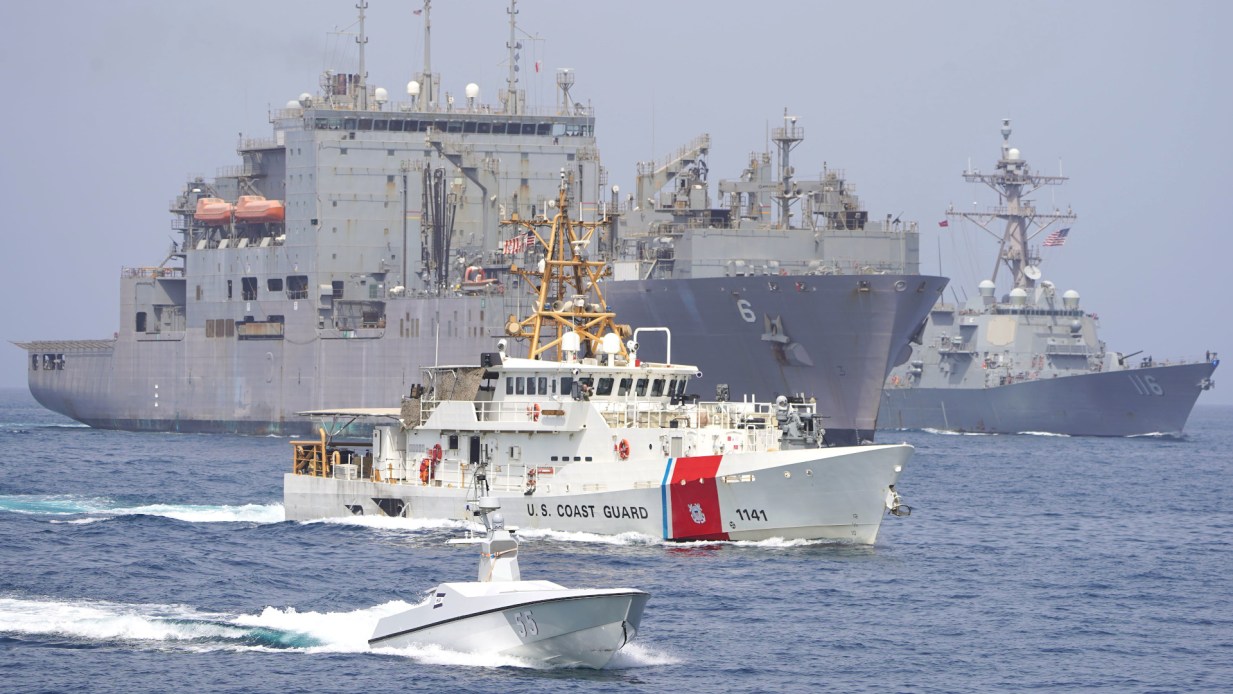
Trump’s directive to “let the oil flow” signals a shift in US strategy toward the Persian Gulf. By removing military restrictions on one of the world’s most critical oil transit points, the administration seeks to reduce friction in global shipping lanes.
How was the peace agreement announced?
The news broke through a combination of diplomatic channels and social media. Pakistan’s Prime Minister Shehbaz Sharif first announced that the US and Iran had agreed to peace to end the ongoing conflict. Trump later confirmed the reports on his Truth Social platform, stating that all peace agreement documents are finalized.
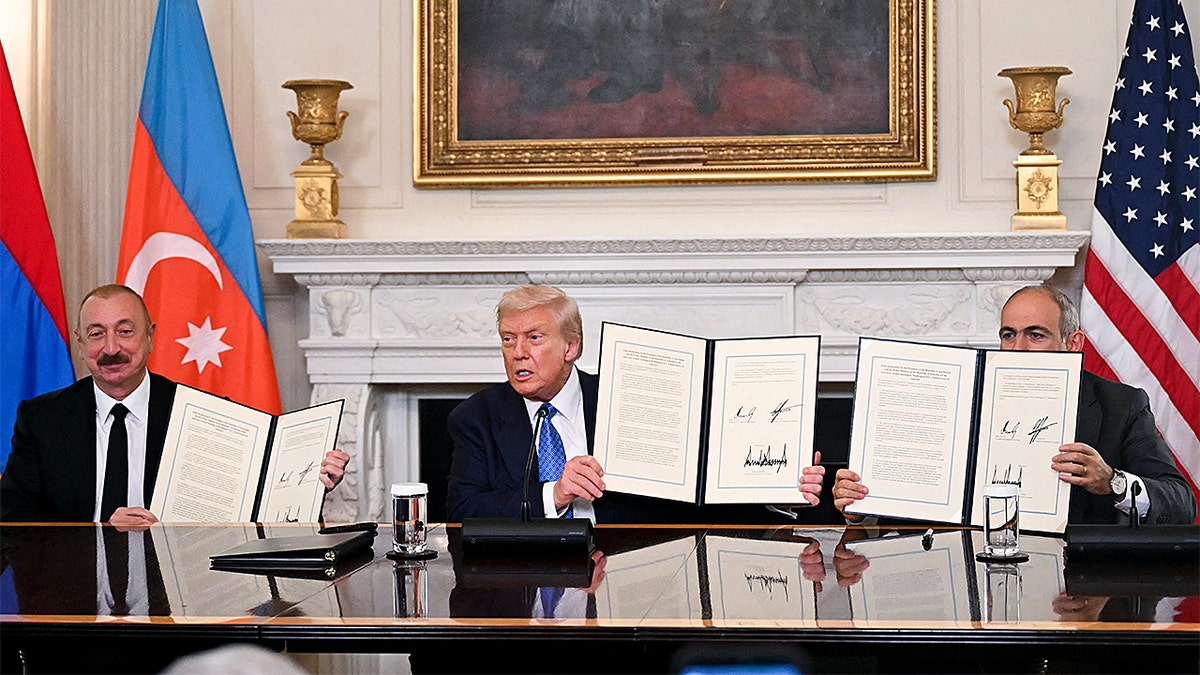
“Agreement with the Islamic Republic of Iran is now complete. Congratulations to all!” Trump wrote on Truth Social, as cited in the report. The alignment between the Pakistani Prime Minister’s statement and the US President’s confirmation suggests a coordinated diplomatic effort involving third-party mediation.
What happens during the June 19 signing in Switzerland?
The official signing ceremony is scheduled for Friday, June 19, in Switzerland. Prime Minister Shehbaz Sharif, citing CNN and AFP, confirmed that both nations have committed to an “immediate and permanent cessation of military operations on all lines.”
Crucially, the deal extends beyond the immediate US-Iran relationship. Sharif noted that the ceasefire includes operations in Lebanon, indicating that the agreement intends to resolve broader regional proxy conflicts. This comprehensive approach marks a departure from narrower, bilateral agreements seen in previous decades.
Comparing the diplomatic narratives
While both parties agree on the outcome, the framing differs. President Trump’s communications focus on the economic and logistical liberation of the Strait of Hormuz. In contrast, Prime Minister Sharif’s reports emphasize the humanitarian and military cessation of hostilities, specifically highlighting the end of warfare in Lebanon.
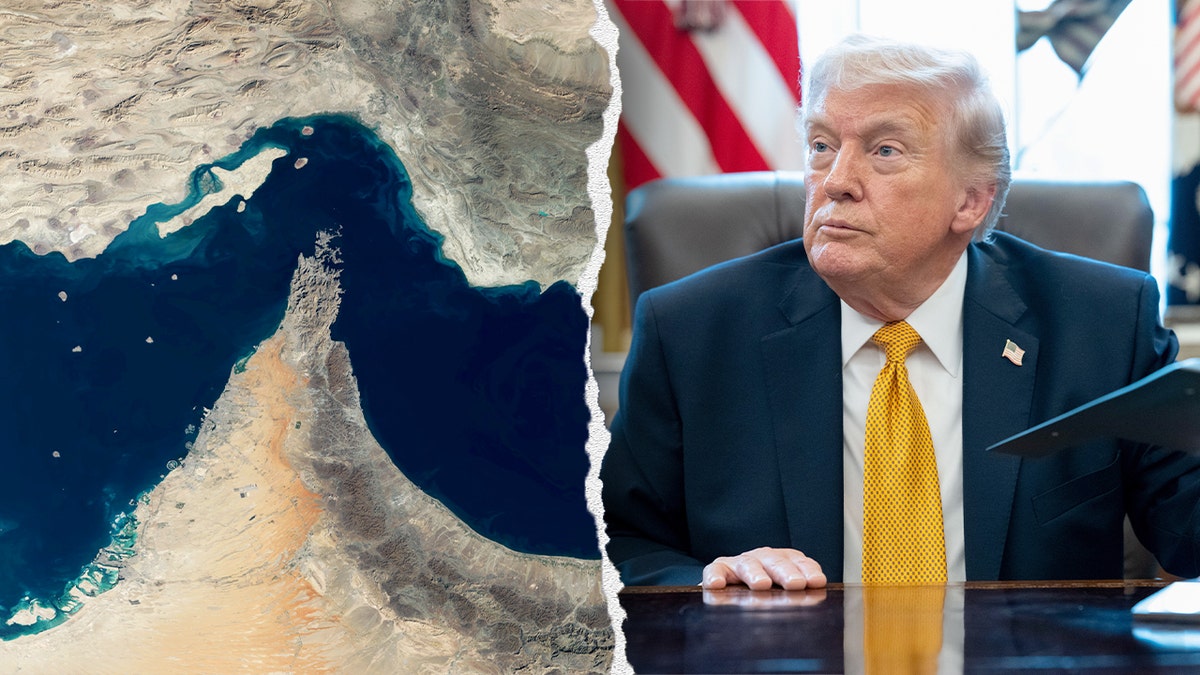
This distinction suggests the US is prioritizing the restoration of trade and energy security, while the diplomatic intermediaries are highlighting the broader regional stability and the end of active combat.
Frequently Asked Questions
When will the US and Iran officially sign the peace deal?
The official signing ceremony is set for Friday, June 19, in Switzerland.
What happens to the US military in the Strait of Hormuz?
President Trump has ordered the immediate removal of the US Navy blockade and the opening of the strait without toll fees.
Does the agreement affect other countries?
Yes. According to Prime Minister Shehbaz Sharif, the deal includes a permanent end to military operations in Lebanon.
For more updates on international diplomacy and global trade, check out our Geopolitics Archive or follow the latest reports from CNN.
What do you think this agreement means for global oil prices? Let us know in the comments below or subscribe to our newsletter for daily geopolitical briefings.