
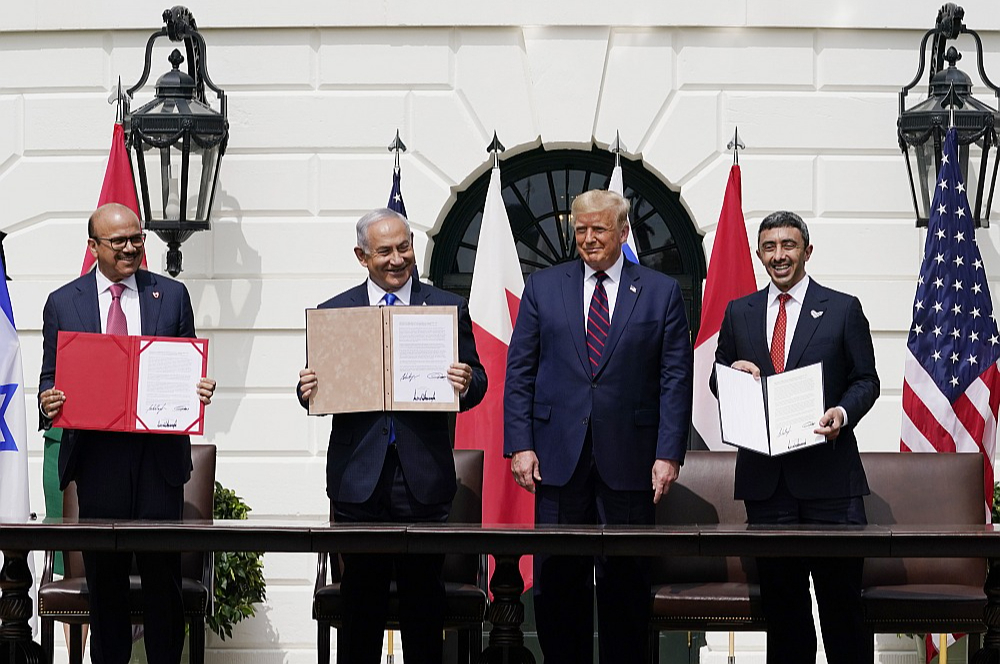
Trump Links Iran Peace Deal to Expanded Abraham Accords
U.S. President Donald Trump has announced that any joint agreement with Iran should be contingent upon several Muslim-majority nations joining the Abraham Accords. This move seeks to expand the framework that has already enabled multiple countries to normalize diplomatic relations with Israel.
The Scope of the Proposal
In a social media announcement, President Trump indicated that negotiations with Iran are progressing well. He requested that six Muslim-majority nations normalize ties with Israel, specifically naming Saudi Arabia, Qatar, Egypt, Jordan, Pakistan and Turkey.

The President noted that while he might accept “one or two” refusals, the majority of these nations should agree to the proposal. He further suggested that Iran itself could potentially normalize relations with Israel.
However, the proposal has raised eyebrows among observers. Egypt and Jordan have already signed peace treaties with Israel, dating back to 1979 and 1994, respectively. Turkey currently maintains diplomatic relations, despite a decline in the quality of those ties in recent years.
Regional Obstacles and Political Risks
Analysts suggest that achieving these goals may be complex. Saudi Arabia has indicated that normalization would only occur if there is clear progress toward the establishment of a Palestinian state, a process that has stalled since the 2023 conflict between Israel and Hamas in the Gaza Strip.
Pakistan presents a different set of challenges. Political analyst Raza Rumi noted that unlike Arab monarchies, Pakistan must navigate internal politics, religious parties, and a media ecosystem with strong ties to the Palestinian cause.
There are concerns that these demands could hinder peace efforts with Tehran. According to reports from Politico, Muslim-majority governments may choose to abandon their roles as mediators rather than risk domestic unrest by agreeing to normalization.
Strategic Motivations
The timing of this initiative has led to various interpretations. Some observers believe the President is seeking significant transformations in the Middle East, while others suggest he may be attempting to persuade Israel to accept a peace deal with Iran that might otherwise be unpopular with the Israeli public.
this move could be an effort to appease the wing of the Republican Party that views negotiations with Iran as too concessional. Some critics argue the announcement may be intended to divert attention from slow progress in the Iran talks.
White House Press Secretary Anna Kelly defended the strategy, stating that the Abraham Accords have provided immense economic benefits and historical cooperation, making them a “natural complement” to a peace agreement between the U.S. And Iran.
Potential Future Scenarios
The trajectory of these negotiations remains uncertain. If the U.S. Maintains these requirements, mediators in the region could potentially withdraw from the process to avoid internal political backlash.
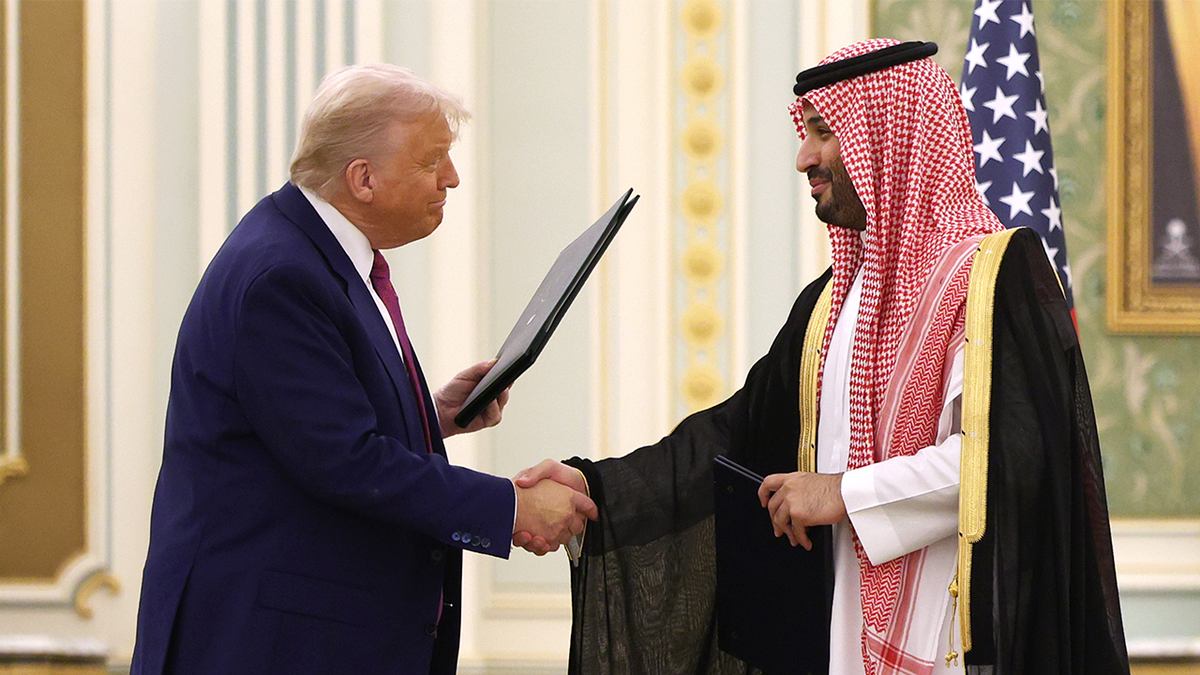
Analysts expect that Pakistan’s eventual stance may depend on the actions of Saudi Arabia, as Islamabad could potentially use a decision from Riyadh as political cover for its own normalization efforts.
Frequently Asked Questions
Which countries were the original signatories of the Abraham Accords in 2020?
The original agreements were signed by the United Arab Emirates, Bahrain, Sudan, and Morocco.
Why is Saudi Arabia hesitant to normalize relations with Israel?
Riyadh has stated that normalization is dependent on seeing clear progress toward the creation of a Palestinian state.
What is the White House’s justification for expanding the Accords?
The White House asserts that the agreements have delivered significant economic benefits and fostered historical cooperation among participating nations.
Do you believe economic incentives are sufficient to overcome long-standing political and religious objections in Middle East diplomacy?