

Trump Outraged as US Senate Passes Iran War Resolution
The U.S. Senate passed a resolution on June 23, 2025, calling for an end to hostilities against Iran, according to TRT World. The “War Powers Act” resolution passed with a 50-48 vote after four Republican senators joined Democrats, prompting President Donald Trump to condemn the move as “untimely and meaningless” via Truth Social.
The resolution instructs the president to end hostilities toward Iran unless Congress authorizes further military action. This measure follows a similar approval by the U.S. House of Representatives, effectively serving as a legislative effort to prevent a new war between the two nations.
Why did the Senate pass the War Powers Act resolution?
The resolution passed because four Republican senators—Bill Cassidy, Susan Collins, Lisa Murkowski, and Rand Paul—voted with the Democratic majority. The final tally stood at 50 votes in support and 48 against, with one Democrat voting against and two Republicans abstaining.
According to the report, this vote represents the strongest symbolic rejection of war by Congress to date. It follows nine previous voting attempts that failed to reach a majority.
How did President Trump respond to the vote?
President Trump reacted with anger on Truth Social, stating the resolution was passed at a “untimely and meaningless” moment. He claimed he had Iran “cornered” and “ready to fall,” asserting that the country respected him and the U.S. for the first time in decades.
Trump characterized the resolution as providing “aid and support to the enemy” by signaling to the “Sponsor of Terror Number One in the World” that the U.S. disliked his strategy. He specifically labeled the four Republican senators who supported the measure as “losers” and referred to Democrats as “Dumocrats.”
What happens next for U.S.-Iran relations?
The practical impact of the resolution remains uncertain because the U.S. and Iran have already reached a temporary peace agreement. However, the measure could limit the administration’s ability to initiate new military conflicts without explicit congressional approval.
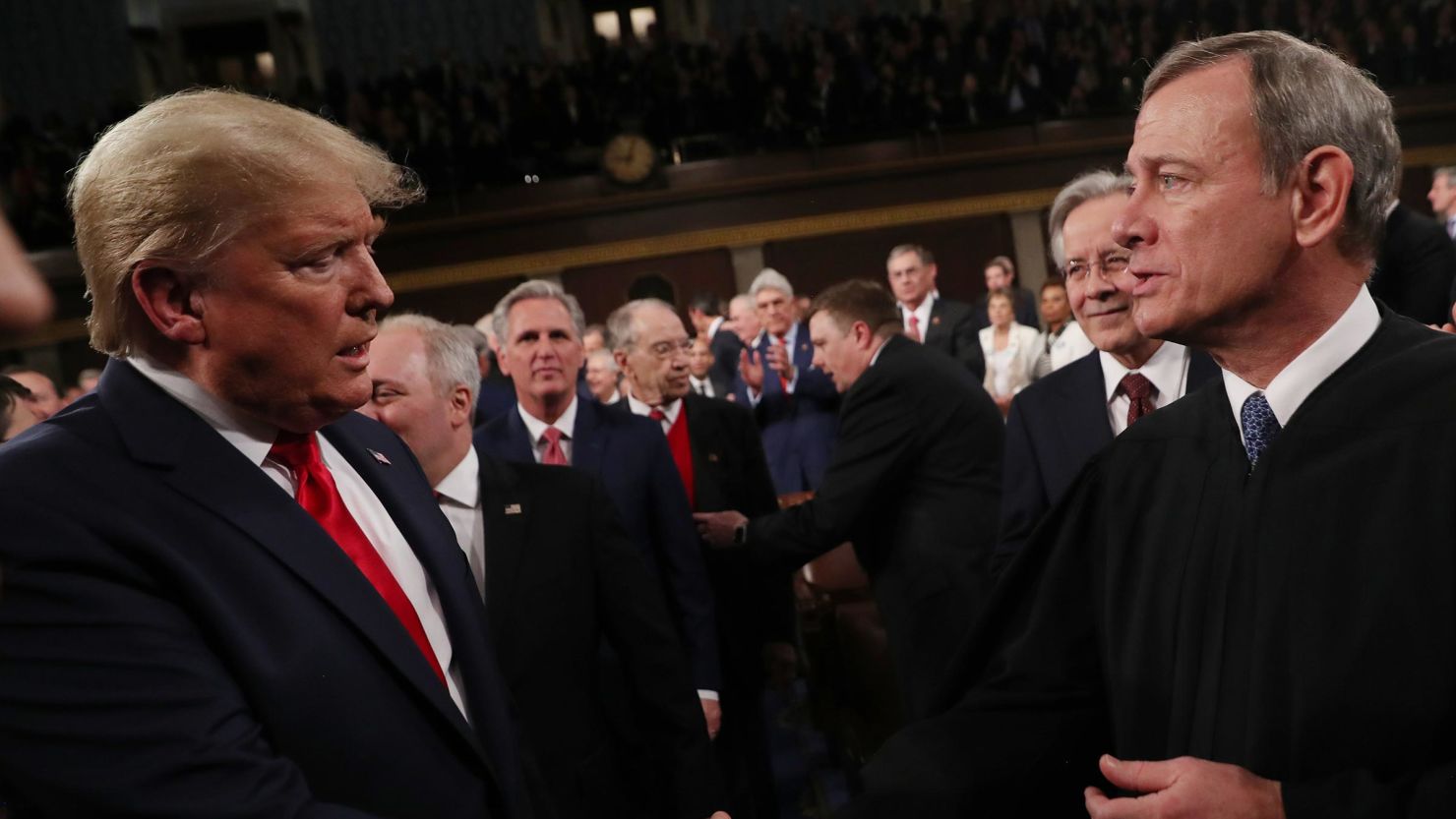
President Trump stated he intends to finish his work “in any way” possible, suggesting he may seek ways to bypass the resolution’s intent. Future military actions may depend on whether the administration can convince Congress to grant further authorization.
Frequently Asked Questions
What is the primary goal of the War Powers Act resolution?
The resolution instructs the president to end hostilities against Iran unless Congress authorizes further military action, aiming to prevent a new war.
Which Republican senators voted for the resolution?
Senators Bill Cassidy, Susan Collins, Lisa Murkowski, and Rand Paul voted in support of the resolution.
What was the final Senate vote count?
The resolution passed with 50 votes in favor and 48 votes against.
Do you believe symbolic resolutions from Congress effectively influence a president’s foreign policy?