
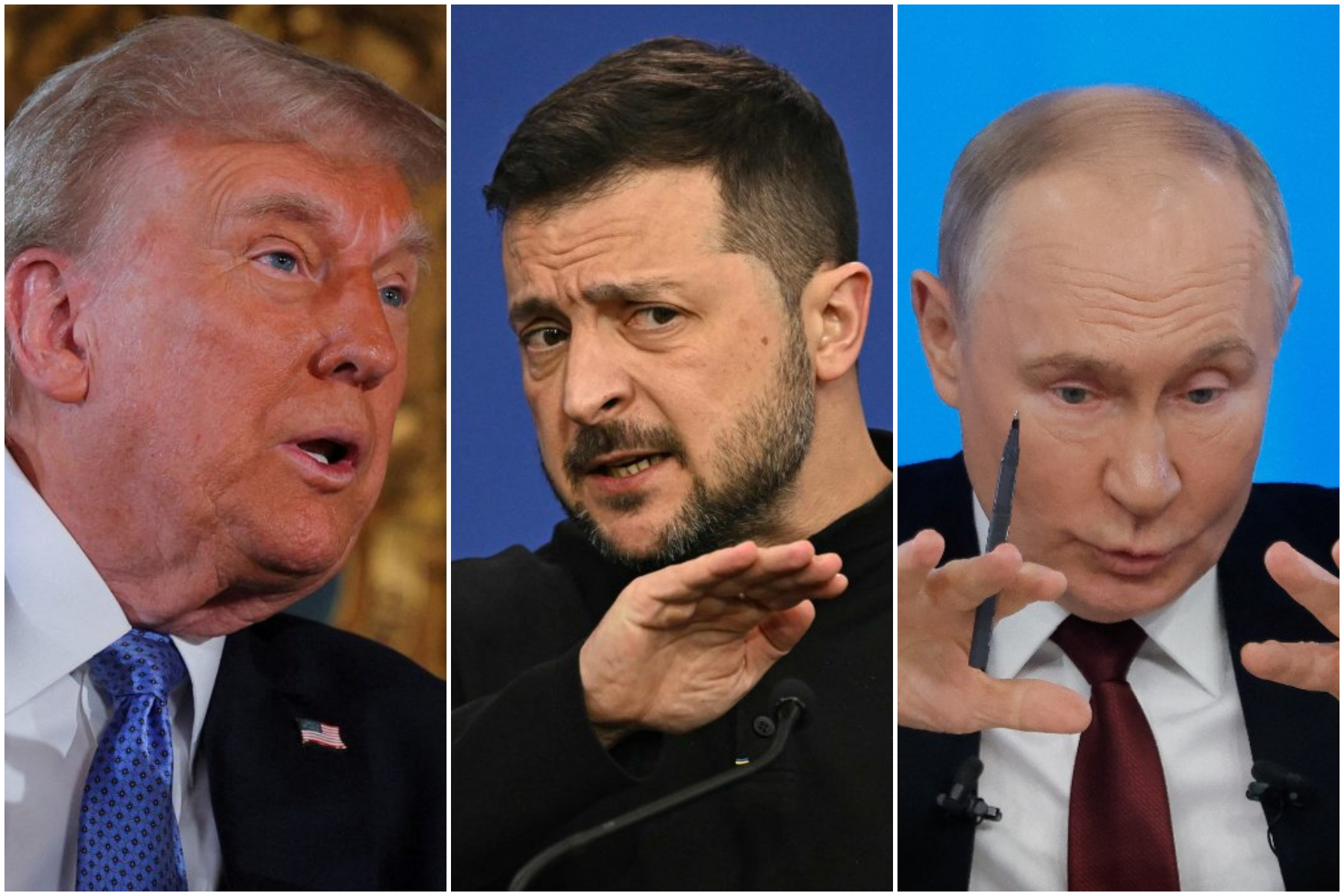
Trump Responds to Zelensky’s Proposal for Meeting Putin to End War
The Diplomatic Chessboard: Will Direct Talks Reshape the Ukraine Conflict?
The global geopolitical landscape is shifting as whispers of high-level face-to-face diplomacy between Kyiv and Moscow intensify. With U.S. President Donald Trump signaling a hands-off approach—suggesting that the parties involved must navigate their own path to peace—all eyes are now turning to European power brokers to see if they can bridge the divide.
As the conflict enters a volatile new chapter, the question isn’t just about whether a meeting will happen, but whether the international community has the leverage to turn a conversation into a lasting ceasefire.
The Shift in Global Mediation
Historically, mediation in the Ukraine conflict has been a multi-national effort, heavily reliant on U.S. Support. However, current trends suggest a pivot toward a “European-led” diplomatic initiative. Reports indicate that President Zelensky is actively coordinating with leaders from France, the United Kingdom, and Germany to build a unified front.
Can Direct Talks Actually Move the Needle?
The effectiveness of direct presidential-level talks remains a subject of intense debate among security analysts. While a summit provides an optics-heavy platform for de-escalation, skeptics point to the lack of a shared framework. According to recent Council on Foreign Relations reports, successful peace processes require more than just a meeting; they require verifiable security guarantees that neither side has yet been willing to concede.
The current strategy seems to be “layered diplomacy”—using European allies to apply pressure and provide incentives that make a seat at the table more attractive than continued attrition on the battlefield.
Future Trends: The Road to Stability
Looking ahead, three key trends are likely to define the resolution phase of the conflict:
- Multilateral Security Pacts: Moving away from bilateral agreements toward robust, international security frameworks that involve multiple NATO and non-NATO stakeholders.
- Economic Conditionality: Tying future reconstruction aid and sanctions relief directly to the progress of the peace process.
- Back-Channel Communication: Increasing reliance on neutral third-party intelligence brokers to define the “red lines” before public summits occur.
Frequently Asked Questions
Q: Why is the U.S. Stance on direct talks significant?
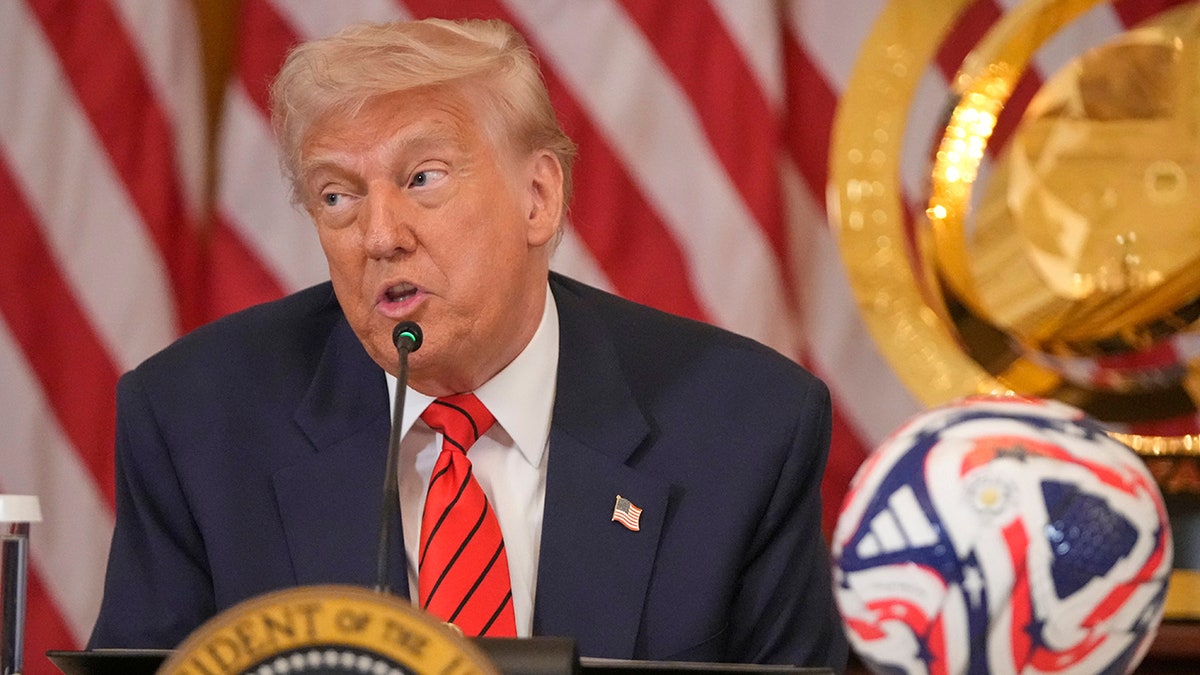
A: As the primary provider of military aid, the U.S. Position dictates the “floor” of the negotiations. A hands-off approach encourages European allies to take the lead, fundamentally changing the power dynamics of the peace process.
Q: Is a ceasefire likely in the near future?
A: While diplomatic channels are opening, both sides remain far apart on territorial and sovereignty issues. A ceasefire is currently viewed as a long-term goal rather than an immediate outcome.
Q: How do these talks impact global markets?
A: Energy and commodity markets remain highly sensitive to news of potential peace talks. Any signal of de-escalation historically leads to a correction in oil and gas futures.
Join the Conversation
Do you believe that direct presidential negotiations are the key to ending the conflict, or is the path to peace found primarily on the ground? Share your perspective in the comments section below or subscribe to our global affairs newsletter for weekly updates on the shifting geopolitical landscape.