

Trump says he will soon decide on Iran deal, demands reopening of Hormuz Strait
Beyond the Ceasefire: How the U.S.-Iran Standoff Redefines Global Energy and Security
When the world’s most critical oil artery—the Strait of Hormuz—becomes a bargaining chip, the ripples are felt far beyond the diplomatic rooms of Washington and Tehran. The current tug-of-war over a ceasefire isn’t just about a temporary pause in hostilities; it is a blueprint for the future of geopolitical leverage in the 21st century.
For investors, policymakers, and the average consumer watching the pump, the stakes are clear: stability in the Middle East is no longer just about peace—it is about the cost of living.
The “Choke Point” Economy: Why the Strait of Hormuz Matters
The Strait of Hormuz is perhaps the most strategically sensitive waterway on Earth. A narrow strip of water connecting the Persian Gulf to the Gulf of Oman, it serves as the primary exit point for a massive percentage of the world’s liquefied natural gas (LNG) and crude oil.
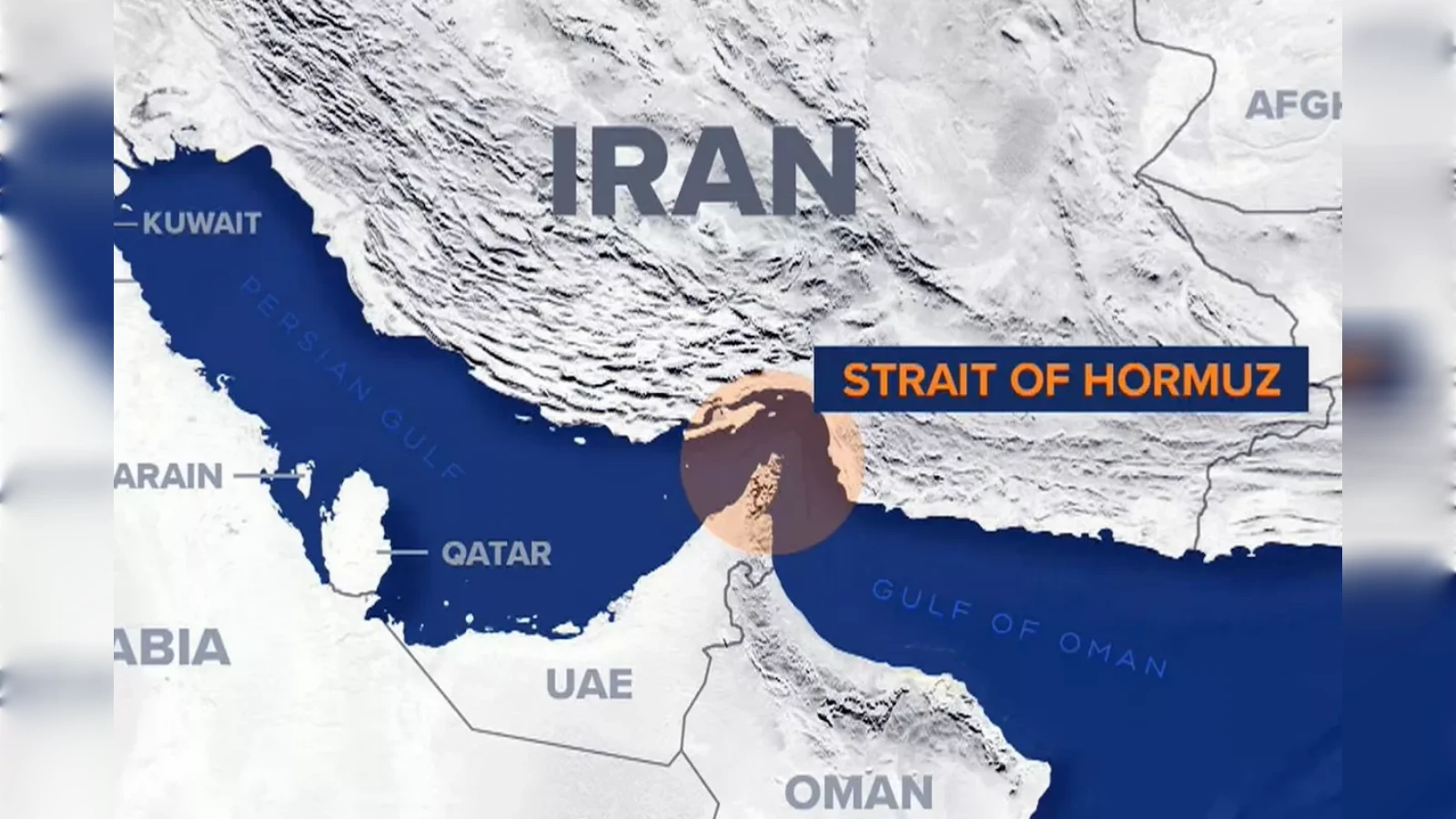
When Iran threatens to close this corridor or impose tolls, they aren’t just fighting a military battle; they are engaging in economic warfare. Any disruption here triggers an immediate spike in global Brent crude prices, which cascades down to the price of gasoline in suburban America and heating costs in Europe.
The trend we are seeing now is a shift toward “energy nationalism,” where nations use their geography to force political concessions. As we move forward, expect to see more diversified shipping routes and a desperate push for alternative energy sources to reduce this dangerous dependency.
Nuclear Diplomacy 2.0: The Rise of Third-Party Arbitrators
The nuclear standoff has traditionally been a binary conflict: either a country has a bomb or it doesn’t. However, the recent signal from Kazakhstan to take over Tehran’s highly enriched uranium stockpile suggests a new trend in nuclear non-proliferation.
Instead of demanding the total destruction of materials—which is often a non-starter for sovereign nations—the global community is moving toward “managed storage.” By using internationally controlled banks of uranium, the world can ensure that fuel is available for peaceful power generation while removing the immediate ingredients for a weapon from the site of conflict.
This “third-party custody” model could become the gold standard for resolving other nuclear disputes globally, providing a face-saving exit for regimes while satisfying the security requirements of the West.
The “Fabricated Victory” Trap
A recurring theme in these negotiations is the narrative war. When one side claims a “victory” while the other calls it “fabricated,” we are seeing the influence of social media and instant communication on diplomacy. Modern leaders are no longer just negotiating with their opponents; they are negotiating for their base of supporters back home.

The Election Cycle: Foreign Policy as a Domestic Tool
There is an undeniable link between the timing of these ceasefires and domestic political calendars. With congressional elections looming, the pressure to lower gasoline prices becomes a primary driver of foreign policy. This creates a volatile cycle where diplomacy is rushed to meet an election deadline rather than to solve a long-term systemic issue.
We are seeing a trend where “Economic Peace” is prioritized over “Sustainable Peace.” This means we may see frequent, short-term truces (like the proposed 60-day extension) that serve as temporary bandages rather than permanent cures.
For more on how geopolitical shifts impact market trends, explore our guide on Understanding Market Volatility or visit the International Energy Agency (IEA) for real-time data on global oil flows.
The Regional Domino Effect: From Tehran to Beirut
The conflict doesn’t exist in a vacuum. The link between Iran’s ceasefire and the offensive in Lebanon highlights the “Proxy Architecture” of modern warfare. Iran leverages its influence over groups like Hezbollah to create multiple fronts, ensuring that any deal with the U.S. Must also account for the security of its allies.
Future trends suggest that peace deals will become increasingly “bundled.” You cannot solve the Iran nuclear issue without addressing the Lebanon border, and you cannot open the Strait of Hormuz without discussing sanctions relief. The era of the single-issue treaty is over.
Frequently Asked Questions
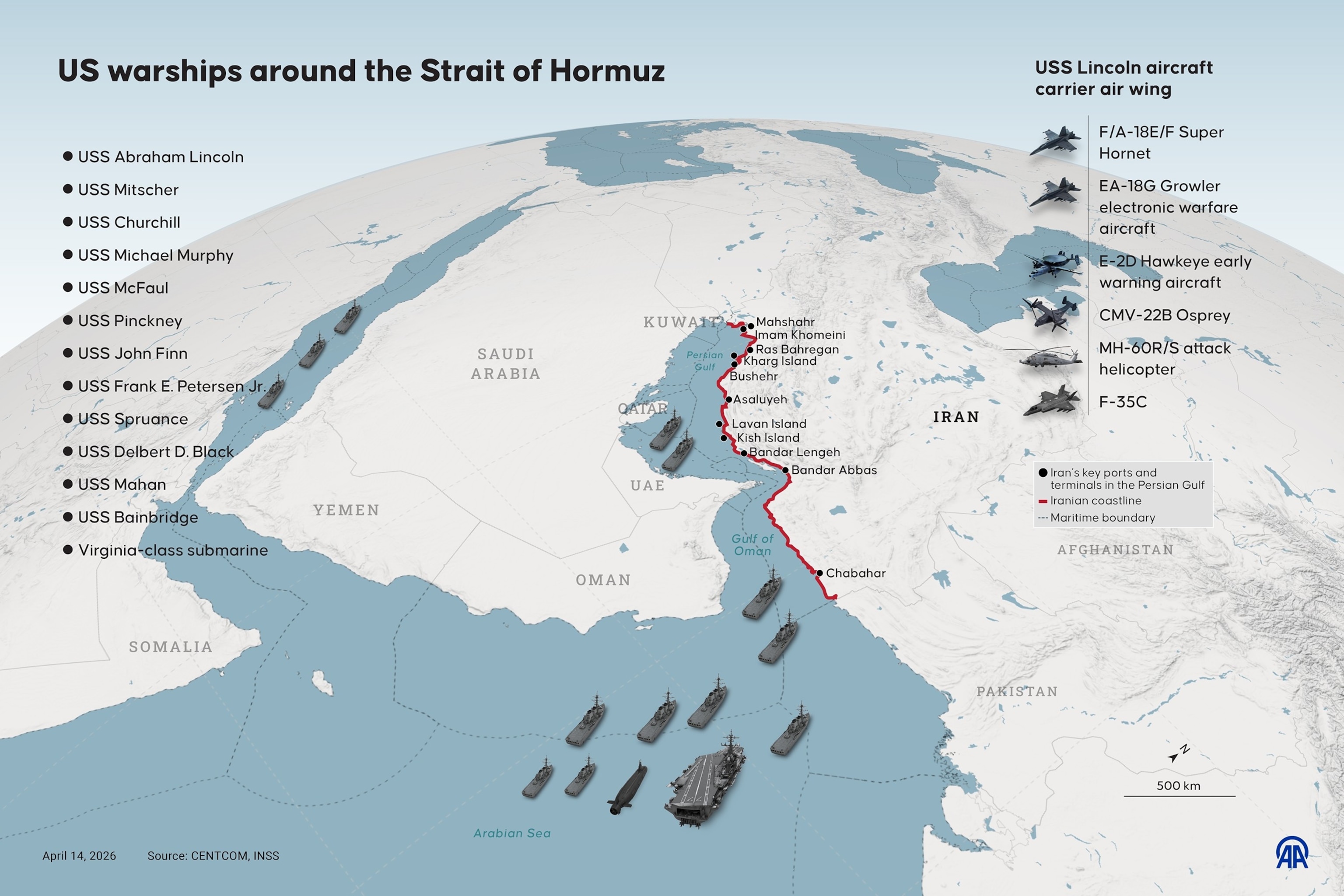
Q: Why is the Strait of Hormuz so difficult to bypass?
A: While there are pipelines in Saudi Arabia and the UAE, they cannot handle the full volume of oil that moves through the strait, making the waterway indispensable for global energy security.
Q: What are “frozen assets,” and why do they matter?
A: Frozen assets are funds held in foreign banks that a government has blocked due to sanctions. For Iran, the release of these billions is a primary motivator for entering a ceasefire.
Q: How does a ceasefire in the Middle East affect my wallet?
A: Stability reduces the “risk premium” added to oil prices. When tensions drop, oil prices typically fall, leading to lower costs for gasoline, plastics, and shipping for consumer goods.
Join the Conversation
Do you think short-term ceasefires are an effective way to manage global tensions, or are they just political distractions? Let us know in the comments below or subscribe to our Geopolitical Insider newsletter for weekly deep dives into the forces shaping our world.