
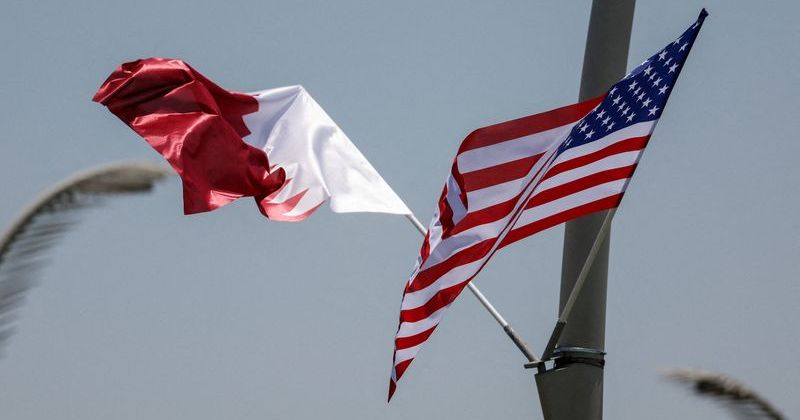
Trump Signals Progress on US-Iran Peace Deal and Strait of Hormuz Reopening
The United States and Iran are reportedly nearing a diplomatic agreement to end their current conflict and reopen the Strait of Hormuz. President Trump announced via Truth Social that a deal involving the U.S., Iran, and several regional partners has been “largely negotiated” and is awaiting finalization.
This development follows a series of diplomatic efforts involving Pakistan, Qatar, Saudi Arabia, the United Arab Emirates, Turkey, Egypt, Jordan, and Bahrain. Regional leaders have reportedly urged Washington to accept the deal to prevent further escalation in the Middle East.
A Framework for Peace
According to Iranian Foreign Ministry spokesman Esmail Baghaei, the two nations are finalizing a 14-point memorandum of understanding (MoU). This document is intended to establish a temporary framework for diplomacy rather than a final settlement.
Under the proposed arrangement, the U.S. And Iran would enter a 30 to 60-day negotiation period after signing the MoU. During this window, they would address critical issues including sanctions relief, the release of frozen Iranian assets, the Strait of Hormuz, and Iran’s nuclear programme.
Cautious Optimism and Deep Divisions
Despite the momentum, officials on both sides remain guarded. U.S. Secretary of State Marco Rubio noted that while “some progress” has been made, a breakthrough is not yet certain.

In Tehran, spokesman Esmail Baghaei described the situation as an agreement that is “both very far and very close.” He warned that the differences between the two governments are “so deep and extensive” that immediate results are not guaranteed.
Pakistani Army Chief Asim Munir has played a central role as a mediator, with the Pakistani military reporting “encouraging progress” following Munir’s visit to Tehran. However, some Iranian officials, including Fada-Hossein Maleki, have accused the U.S. Of creating obstacles to the process.
The Risk of Collapse
Skepticism remains high within Iran. A poll conducted by the website Tabnak involving over 110,000 respondents showed that nearly 70 percent believe no agreement will be reached and that war will resume.
Reports from the Fars news agency indicate that Tehran may make nuclear discussions conditional on U.S. Confidence-building measures. There are also ongoing disputes regarding the rules for ship passage through the Strait of Hormuz.
President Trump has maintained a dual approach, stating there is a “solid 50/50” chance between signing a “good” deal or taking military action. He cautioned that if an agreement is not reached, he may “hit them harder than they have ever been hit.”
Potential Next Steps
The immediate future of the talks may depend on the U.S. Response to Iran’s revised proposal, which was submitted through Pakistani mediators. This response is expected by Sunday.
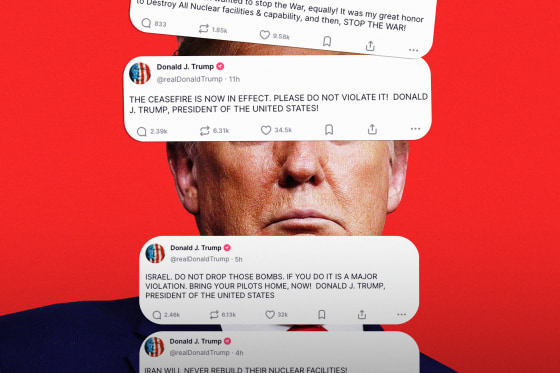
Depending on the outcome, the two nations could potentially extend their ceasefire by 60 days. This possible extension would likely involve the gradual reopening of the Strait of Hormuz and the start of discussions regarding Tehran’s highly enriched uranium stockpile.
Frequently Asked Questions
What is the purpose of the 14-point memorandum of understanding?
The MoU is intended to create a temporary framework for diplomacy, allowing both parties 30 to 60 days to negotiate contentious issues such as sanctions and the nuclear programme.
Which countries have been involved in the regional diplomacy?
Regional diplomacy has involved Pakistan, Qatar, Saudi Arabia, the United Arab Emirates, Turkey, Egypt, Jordan, and Bahrain.
What are the primary obstacles remaining in the negotiations?
The most significant unresolved issues include Iran’s nuclear programme, the release of frozen assets, sanctions relief, and the rules governing the Strait of Hormuz.
Do you believe a temporary framework is enough to ensure long-term stability in the region?