
/data/photo/2026/02/13/698f13fda8533.jpg "Trump Slams New York Times Over Iran War Reporting and Threatens Lawsuit")
Trump Slams New York Times Over Iran War Reporting and Threatens Lawsuit
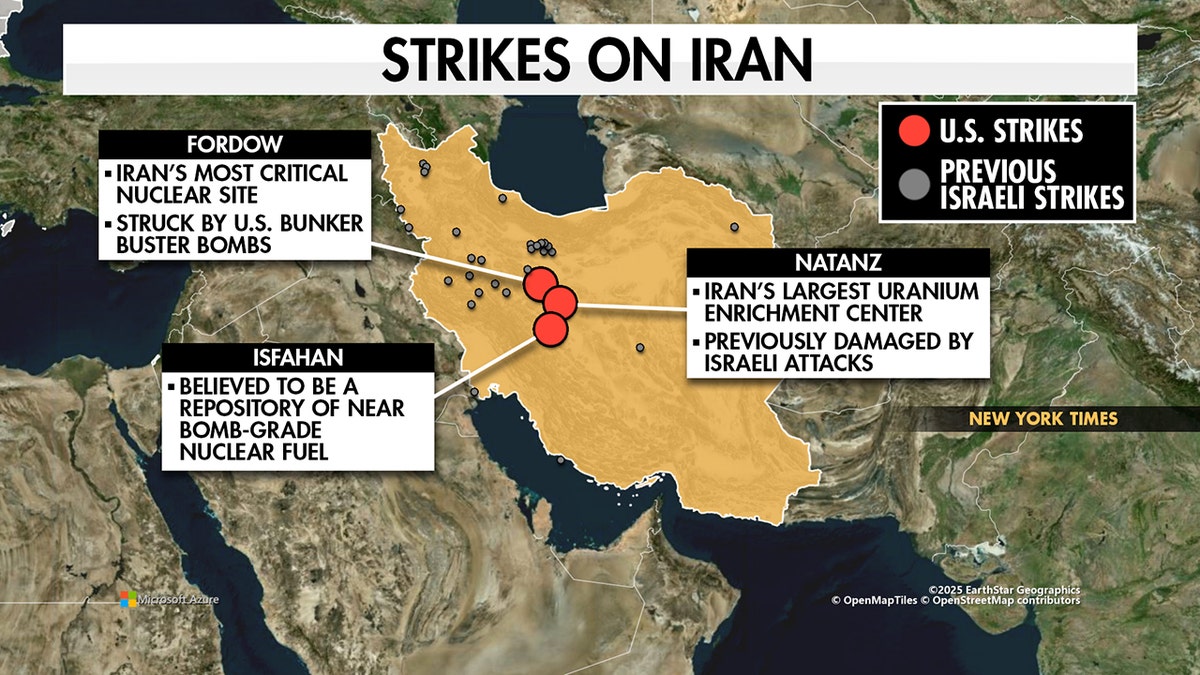
President Donald Trump has publicly announced plans to include The New York Times in a multi-billion dollar lawsuit, citing the outlet’s recent coverage of the ongoing conflict with Iran as “treasonous.” The dispute centers on an article titled “What Changed After Almost 4 Months of War? Analysts Say Not Much,” which suggests the strategic landscape remains largely stagnant despite the active military engagement.
Trump’s Claims of Military and Economic Damage
In a series of posts on the Truth Social platform on Sunday, June 21, 2026, President Trump rejected the report’s assessment, characterizing it as a collection of “fake facts.” Trump asserted that the conflict has fundamentally dismantled Iran’s operational capacity, stating that its military, navy, and air force are “finished.” Additionally, he claimed that Iran’s missile and drone production facilities, as well as two layers of its primary leadership, have been neutralized.

Beyond military infrastructure, Trump pointed to domestic economic indicators in Iran, citing an inflation rate of 250 percent and unpaid military wages as evidence of the conflict’s severity. Conversely, he described the current state of the United States as robust, noting that the country’s stock market and employment levels are at record highs, while the Strait of Hormuz has reopened for oil transit.
The proposed litigation follows a memorandum of understanding between the U.S. and Iran intended to end hostilities, which included a $300 billion reconstruction and economic development plan for Iran.
The Current State of the U.S.-Iran Agreement
The tension between the White House and the media reflects a broader fragility in the diplomatic efforts to resolve the war. The memorandum of understanding, which sought a permanent cessation of hostilities and a 60-day window to negotiate the future of Iran’s nuclear program, currently faces significant uncertainty.
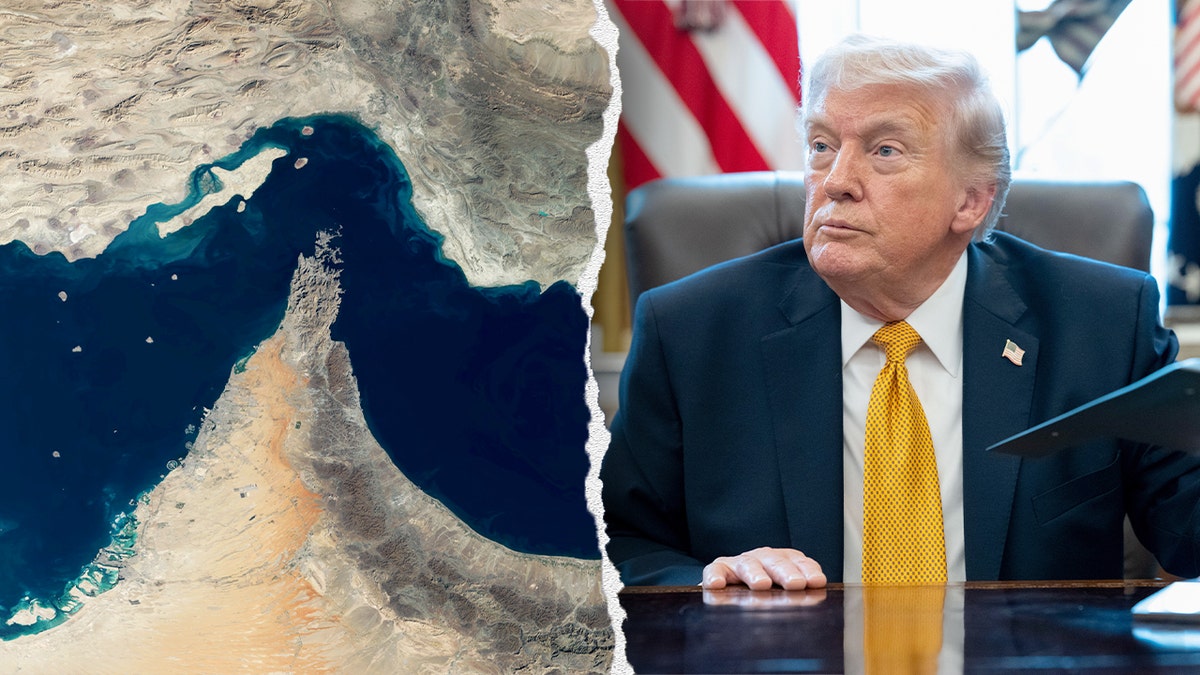
While the agreement required Iran to dispose of enriched uranium stocks and reopen the Strait of Hormuz, reports indicate the waterway was closed again following recent Israeli airstrikes in Lebanon. This development complicates the timeline for the proposed economic stabilization plan, which remains contingent on the successful implementation of the ceasefire terms.
The friction between the executive branch and national media outlets often intensifies during high-stakes diplomatic negotiations. The disparity between the administration’s narrative of decisive victory and the analytical view of a strategic stalemate highlights the difficulty of measuring success in modern conflicts where economic sanctions, proxy movements, and diplomatic backchannels are as significant as kinetic military action.
What May Happen Next
The legal threat against the media outlet signals an escalation in the administration’s effort to control the narrative surrounding the Iran conflict. If the lawsuit proceeds, it would likely bring the administration’s internal assessments of Iran’s military and economic state into a public discovery process.
Diplomatically, the status of the $300 billion reconstruction plan remains tied to the stability of the Strait of Hormuz. Analysts suggest that if the strait remains closed, the U.S. and Iran will struggle to meet the requirements of the 60-day negotiation window, potentially stalling the path toward a final nuclear accord.
Frequently Asked Questions
Why is President Trump suing The New York Times?
The President stated he intends to include the publication in a multi-billion dollar lawsuit because he considers their reporting on the Iran conflict to be “fake” and “treasonous.”
What was the core conclusion of the New York Times report?
The report, titled “What Changed After Almost 4 Months of War? Analysts Say Not Much,” concluded that the war had resulted in minimal changes to the strategic situation in Iran.
What were the terms of the U.S.-Iran memorandum of understanding?
The agreement included a permanent stop to military operations, a 60-day window for nuclear negotiations, the disposal of Iran’s enriched uranium, and a U.S. commitment to provide at least $300 billion for Iran’s economic reconstruction.
How will the closure of the Strait of Hormuz impact the timeline for peace negotiations between the two nations?