
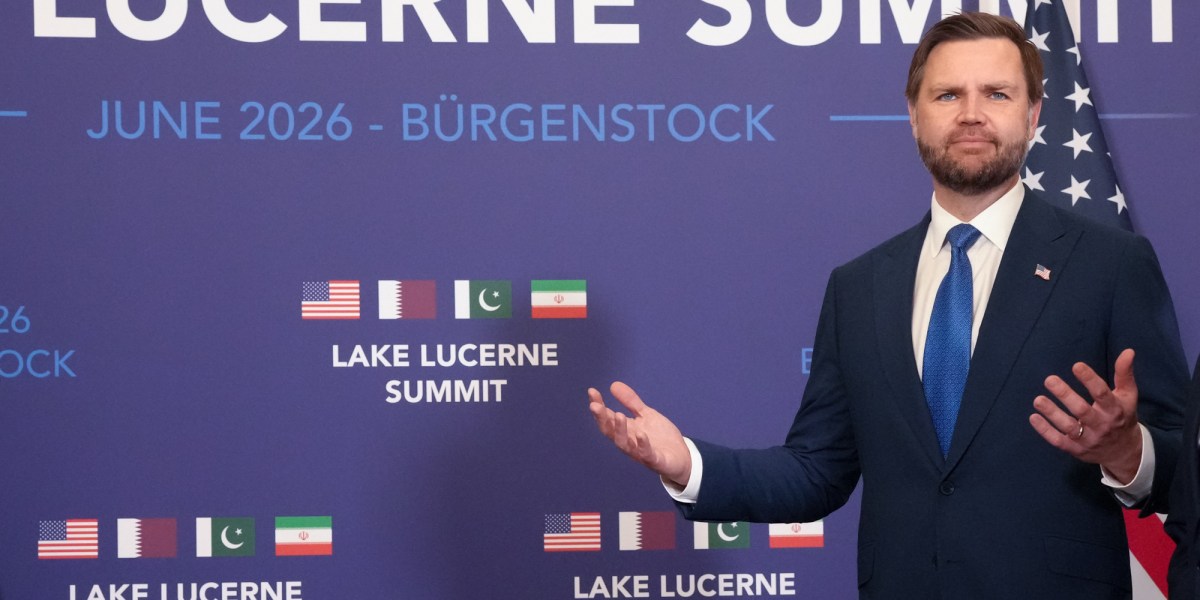
Trump Threats Strain U.S.-Iran Peace Talks in Switzerland
High-level U.S.-Iran talks in Switzerland began with tension Sunday after President Donald Trump threatened military action against Iran on social media. According to Iranian state media, the discussions entered a “difficult phase” as Tehran demanded a focus on the conflict in Lebanon before addressing nuclear programs or the Strait of Hormuz.
The friction complicates a 60-day sprint to finalize technical details of an interim deal. Vice President JD Vance, along with mediators from Pakistan and Qatar, is attempting to keep Iran engaged to stabilize global security and the world economy.
Why are the U.S.-Iran talks currently stalled?
The talks recessed after President Trump posted on social media that Iran must stop its “highly paid PROXIES in Lebanon” or face a harder military strike than the one delivered last week. Iranian lead negotiator Mohammad Bagher Qalibaf responded on X, stating Iran’s armed forces are prepared to respond and that “it is we who act.”
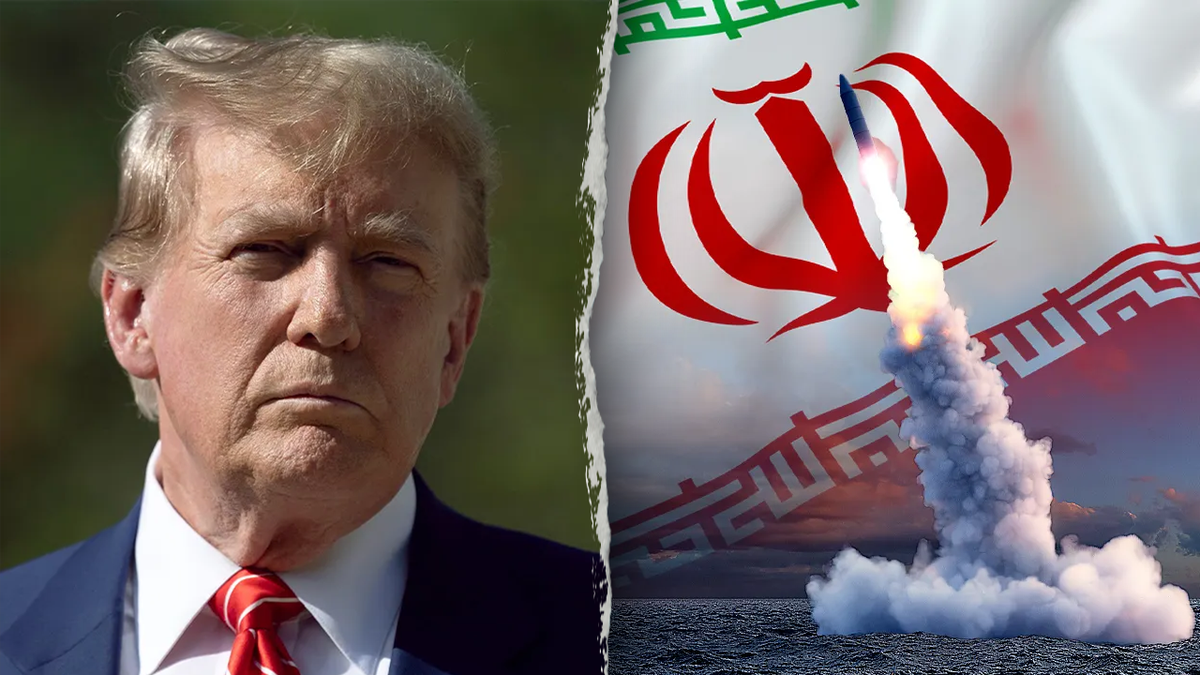
Iranian state media reported the delegation met with Qatari mediators and left the negotiating site following the “insulting message.” However, an official told the AP that the Iranian delegation remains engaged and has not indicated any intention to leave the process.
How will this deal impact global oil and markets?
Oil futures dropped almost 8% following the announcement of the deal. The Trump administration is attempting to reassure markets that the conflict was a “blip” on oil prices to mitigate high gasoline costs for American summer travelers.
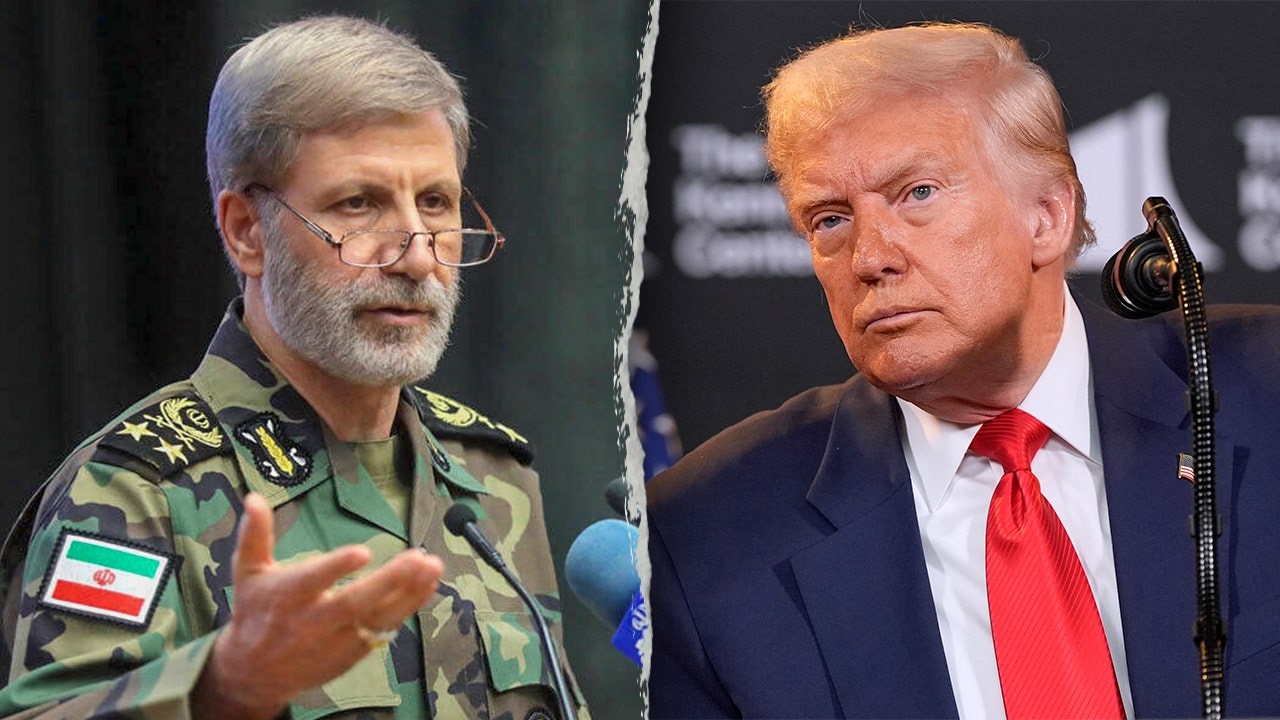
The agreement allows Tehran to sell oil freely and provides a path to unfreeze billions of dollars in Iranian assets. In exchange, the deal requires Iran to dilute its stockpile of highly enriched uranium.
Commercial vessels may pass through the Strait of Hormuz without charge for 60 days. Trump has threatened to levy U.S. tolls if no final deal is reached in that timeframe, calling the funds “services rendered as the Guardian Angel to the countries of the Middle East.”
What are the primary sticking points in the negotiations?
Iran’s Foreign Ministry spokesperson, Esmail Baghaei, stated that Tehran wants the talks to focus first on Israeli strikes in Lebanon. While a Saturday ceasefire appears to be holding, Israeli Prime Minister Benjamin Netanyahu has vowed to keep forces in southern Lebanon until all threats are eliminated.
The U.S. is pushing for commitments on the nuclear program and the continued openness of the Strait of Hormuz. Iran claimed to have closed the strait on Saturday, a claim the U.S. disputed, noting that shipping traffic continued Sunday.
President Masoud Pezeshkian told Iranian state media that Iran will “never back down from the right to enrich uranium.” In a Fox News interview, Trump warned Pezeshkian to watch his words and threatened to take over Iran.
What happens next for the interim agreement?
Negotiators may continue to work through mediators from Qatar and Pakistan to resolve the deadlock over Lebanon. If the parties cannot reach a technical agreement within the 60-day window, the U.S. could implement tolls on Middle Eastern shipping.
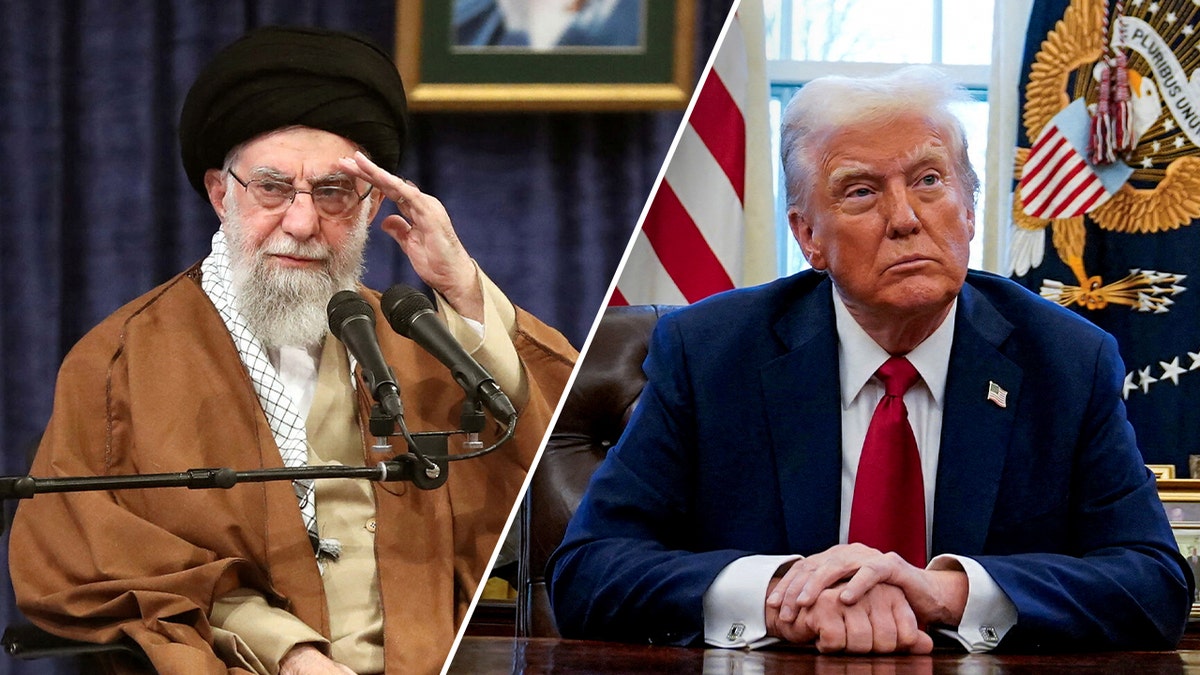
The process remains under internal U.S. pressure. Republican hard-liners have criticized the deal, comparing it to the Obama-era nuclear agreement which they claim failed to end Iran’s nuclear program.
Frequently Asked Questions
What is the purpose of the 60-day sprint?
Negotiators are working to finalize technical details of an interim deal that affects global security and the world economy.
What economic benefits does Iran receive from the deal?
The agreement allows Iran to sell its oil freely and creates a pathway to access billions of dollars in currently frozen assets.
Why is the Strait of Hormuz a point of contention?
The U.S. wants a commitment that the strait remains open, while Iran claimed to have closed it on Saturday. The current deal allows free passage for 60 days.
Do you believe the 60-day deadline is sufficient to resolve these long-standing nuclear and regional conflicts?