
Trump’s DOJ Deletes Jan. 6 Conviction Records, Sparking Backlash Over Historical Revisionism
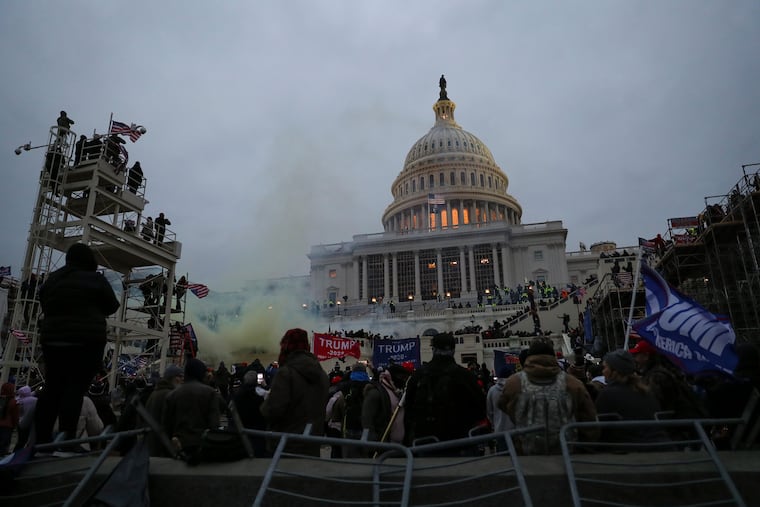
The Justice Department has removed hundreds of pages from its website detailing prosecutions and convictions of individuals involved in the January 6, 2021, Capitol riot, including cases tied to Philadelphia and Pennsylvania. The purge, confirmed by the department ahead of Memorial Day weekend, marks the latest effort by President Donald Trump’s administration to reshape the public record of the insurrection—a failed attempt by his supporters to overturn the 2020 election results.
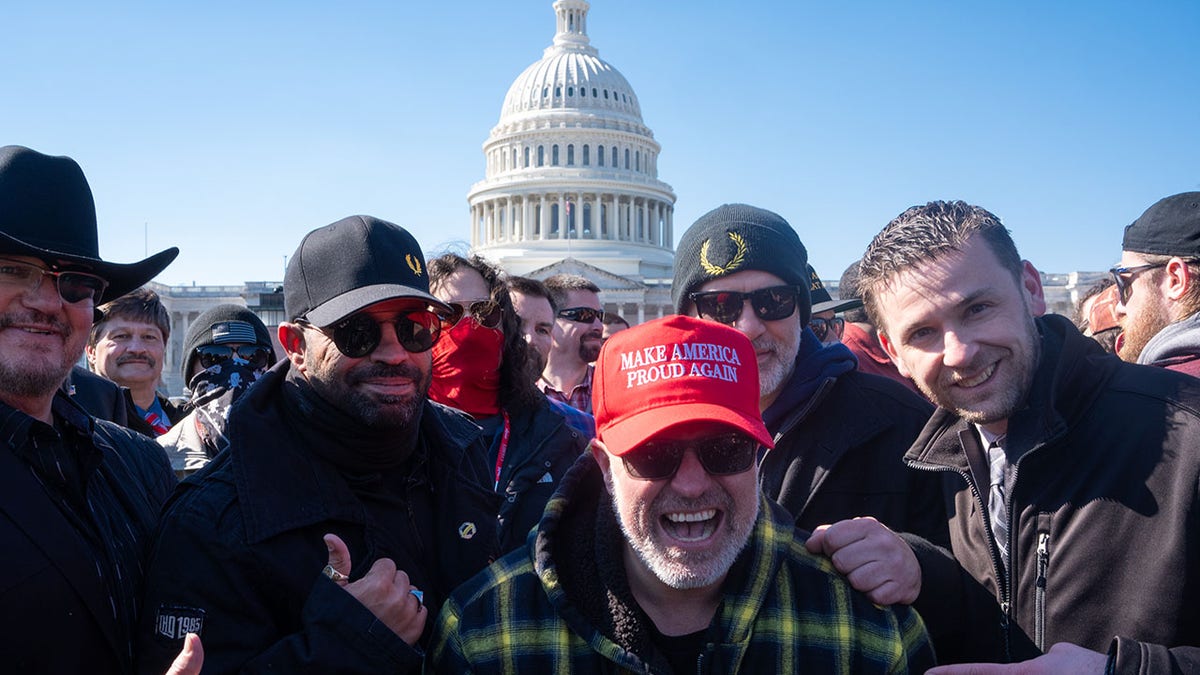
The deleted documents include news releases announcing indictments, convictions, and sentences for participants in the riot. Among them was a statement on the conviction of Zach Rehl, a former Philadelphia Proud Boys leader and one of five Proud Boys charged with inciting the insurrection. Rehl had been sentenced to 15 years in prison before Trump commuted his sentence. The department also removed a release detailing the conviction of Ryan Samsel, a Bucks County man guilty of assaulting an officer, participating in a civil disorder, and obstructing Congress. However, some records—such as charges against Julian Khater, a Somerset, N.J., native sentenced for assaulting police, and documents related to Riley Williams, a Harrisburg native convicted of stealing Nancy Pelosi’s laptop—remain partially accessible.
In a statement posted to X, the Justice Department framed the purge as a reversal of what it called the “weaponization” of the department under the Biden administration. “We are proud to reverse the DOJ’s weaponization,” the statement read, adding that the agency would “make whole those who were persecuted for political purposes.” The move follows Trump’s broader campaign to rewrite the narrative of January 6, including mass pardons for nearly every defendant in January 2025 and the creation of a White House webpage blaming Democrats for the riot.
Why This Matters
The removal of these records is part of a deliberate effort to obscure the legal consequences faced by those involved in the Capitol riot. Pardons do not erase criminal cases, but they do reverse restrictions tied to convictions—a symbolic and practical step toward eliminating accountability. The Justice Department’s selective deletions—some records remain online—suggest an inconsistent approach, raising questions about transparency and the integrity of the historical record.
the purge coincides with the Trump administration’s push to establish a $1.7 billion fund for Jan. 6 defendants, part of a settlement with Trump over his lawsuit against the IRS. The fund, dubbed the “anti-weaponization fund,” has already drawn lawsuits from law enforcement officers attacked during the riot and former prosecutors fired after investigating the event. Bipartisan criticism on Capitol Hill—including calls from Rep. Brian Fitzpatrick (R., Pa.) to “kill” the fund and Sen. Mitch McConnell (R., Ky.) labeling it “utterly stupid, morally wrong”—highlights the fund’s controversial nature.
Beyond legal and financial implications, Trump’s continued false claims about the 2020 election—including repeated assertions that he won Pennsylvania and California—further blur the distinction between the riot’s legacy and ongoing political disputes. His administration’s actions risk normalizing the erasure of judicial and historical records, setting a precedent for how future controversies might be addressed.
What May Happen Next
The Justice Department’s purge could trigger legal challenges, particularly from prosecutors, law enforcement, and plaintiffs affected by the fund or the erased records. Lawsuits are already underway, and further litigation may seek to restore transparency or block the fund’s distribution. Congress could also intervene, with bipartisan opposition suggesting potential legislative hurdles for the administration’s plans.
Analysts expect the debate over the fund to intensify, as critics argue it rewards violence against law enforcement. Meanwhile, Trump’s continued false claims about the 2020 election may further polarize public perception of January 6, making reconciliation over the event’s legacy even more difficult. The administration’s actions could also embolden similar efforts to rewrite historical records in future disputes, depending on how courts and Congress respond.
Frequently Asked Questions
[Question 1]
Why did the Justice Department remove these records?
The department stated it was reversing what it called the “weaponization” of the agency under the Biden administration and aimed to “make whole those who were persecuted for political purposes.” The move aligns with broader efforts by the Trump administration to reshape the narrative of January 6.
[Question 2]
Do pardons erase criminal records?
No. Pardons do not erase criminal cases but reverse restrictions tied to convictions, such as voting rights or employment limitations. They are added to the record and do not remove the legal findings of guilt.
[Question 3]
What is the $1.7 billion fund for?
The fund, established as part of a settlement with Trump over his IRS lawsuit, is intended to compensate individuals prosecuted for their roles in the January 6 riot. It has faced lawsuits and bipartisan criticism for potentially rewarding violence against law enforcement.
How should the public reconcile conflicting narratives about January 6 when official records are being altered?