
Trump’s gone rogue and left Netanyahu a horrendous choice | World News
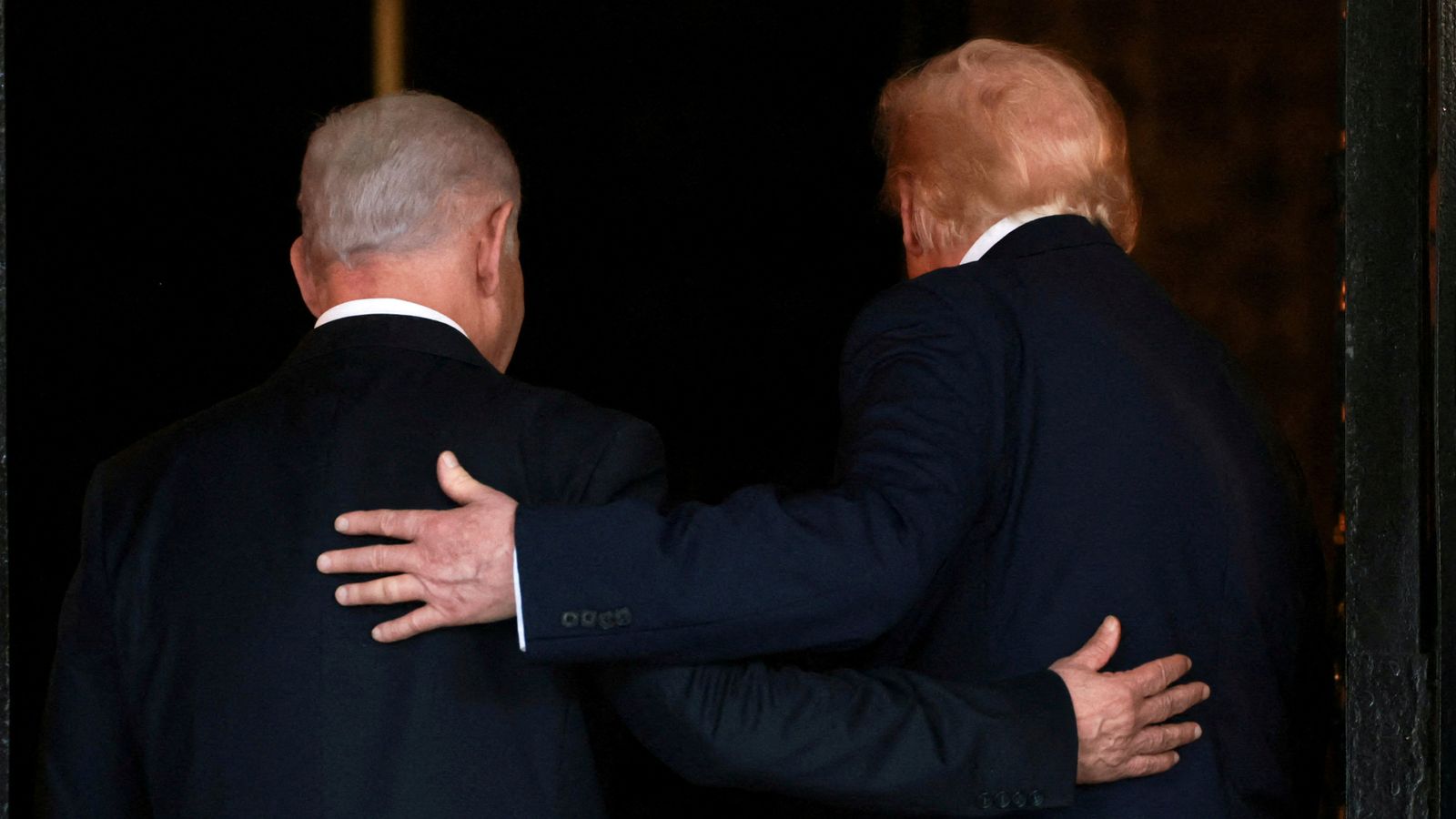
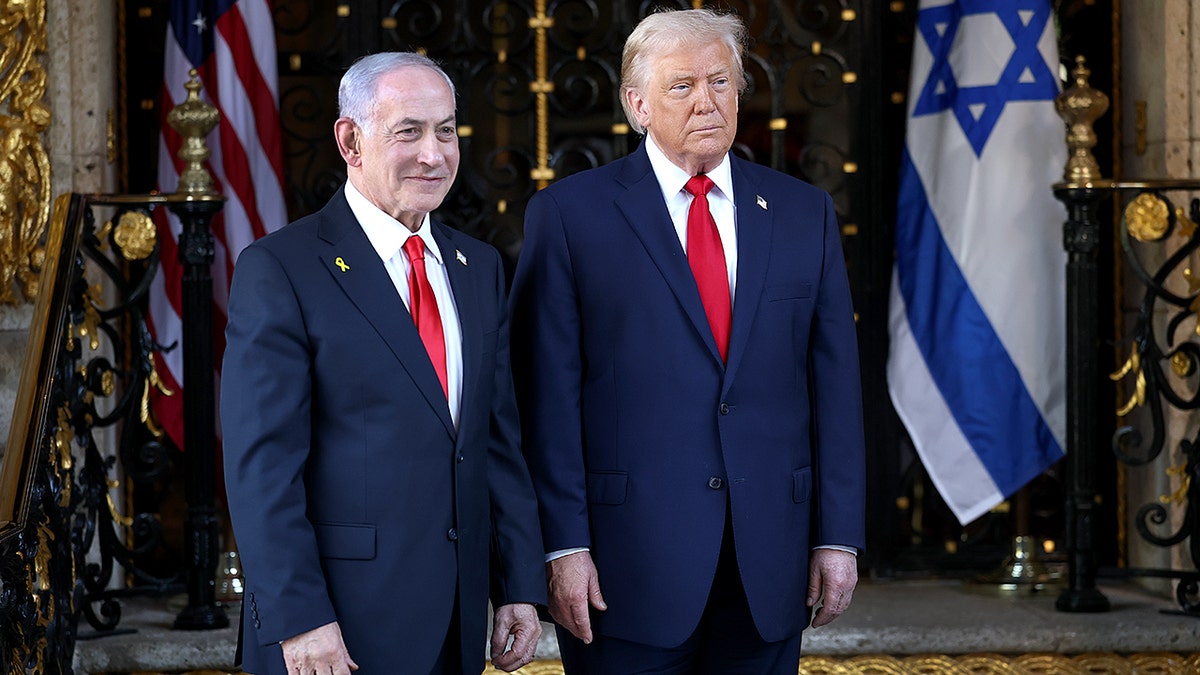
A rift has emerged between U.S. President Donald Trump and Israeli Prime Minister Benjamin Netanyahu over a new U.S.-Iran agreement and ongoing military operations in Lebanon. According to recent analysis, Trump has criticized Netanyahu’s strategy in Beirut, while Netanyahu maintains that national security decisions remain under Israeli control despite U.S. pressure.
Why is the Trump-Netanyahu alliance fracturing?
The relationship between Donald Trump and Benjamin Netanyahu is shifting from a staunch alliance to a public conflict. For months, Netanyahu described Trump as the “greatest friend Israel has ever had.” That dynamic changed when Trump prioritized a return to cheap fuel, an end to regional wars, and a diplomatic deal with Iran.
According to reports, Trump has called Netanyahu “f***ing crazy” and claimed the Prime Minister takes orders from the White House. The tension peaked when Trump issued a presidential dressing-down after Israel ordered an attack on Beirut just as the U.S.-Iran deal was nearing a signature.
What happens to the conflict in Lebanon?
President Trump has explicitly stated that Israel is killing too many people in Lebanon. He suggested that focusing on Syria would be a “better job” than the current campaign against Hezbollah. Trump further asserted that “without me there would be no Israel,” signaling a shift toward a more transactional relationship.

Netanyahu has pushed back against these directives. The Prime Minister is adamant that Israeli troops will remain in Lebanon. He maintains that while he and Trump have “forthright conversations,” the final decisions regarding national security are made in Jerusalem, not Washington.
The U.S.-Iran Deal Friction
A primary source of tension is the wording of the U.S.-Iran agreement. Reportedly, Netanyahu has not even seen the specific wording of the deal. This lack of transparency has fueled dismay within the Israeli government, as they fear the agreement prioritizes U.S. energy prices over Israeli security.
How will this affect Netanyahu’s political future?
Netanyahu faces a high-stakes political calculation ahead of an election later this year. He is caught between two losing scenarios:
- Option A: Scale down attacks against Hezbollah and withdraw from Lebanon to appease Trump. This would save the U.S. relationship but likely evaporate his domestic support, as many Israeli voters believe the Lebanon war is justified.
- Option B: Maintain current military operations. This preserves his reputation with his base but risks alienating Israel’s most critical global ally.
Either path could cost him the upcoming election. This puts Netanyahu in a position of “politics on the edge,” where the survival of his premiership depends on balancing a volatile U.S. president against a demanding domestic electorate.
Comparing the Strategic Shifts
| Issue | Trump’s Position | Netanyahu’s Position |
|---|---|---|
| Lebanon | Too many casualties; withdraw. | Troops must stay. |
| Iran | Seek a deal for cheap fuel/stability. | Deal is a “catastrophic own goal.” |
| Authority | Israel relies on U.S. support. | National security is an Israeli decision. |
Frequently Asked Questions
Why is Donald Trump critical of the Lebanon war?
Trump wants an end to the war to facilitate a deal with Iran and lower global fuel costs. He has characterized the current level of casualties in Lebanon as too high.
Has Netanyahu seen the U.S.-Iran agreement?
According to reports, Netanyahu has not yet seen the specific wording of the agreement, which has increased tensions between the two leaders.
What is the “political choice” Netanyahu faces?
He must choose between maintaining the U.S. alliance by scaling back military operations or maintaining domestic popularity by continuing the war, both of which carry significant risks for his reelection.
What do you think? Is the U.S.-Iran deal a necessary step for global stability or a risk to Israeli security? Share your thoughts in the comments below or subscribe to our newsletter for more deep-dive geopolitical analysis.