
/s3/static.nrc.nl/wp-content/uploads/2026/05/25143310/250526BUI_2033960495_akkoord.jpg "Trump’s Potential Iran Deal: Why Critics Say He Is Losing the War")
Trump’s Potential Iran Deal: Why Critics Say He Is Losing the War
Signs of a potential breakthrough in diplomatic relations between the United States and Iran have emerged, triggering a polarized reaction across global financial markets and political corridors. While markets have reacted with optimism, the prospect of a deal has drawn sharp criticism from both Israeli leadership and members of the Republican party, who view the potential terms as a significant strategic retreat.
A Potential Diplomatic Shift
Recent signals from the White House suggest that negotiations are entering their final stages. President Trump has indicated that discussions are focused on the “last aspects and details,” with a formal agreement regarding the reopening of the Strait of Hormuz expected shortly. However, the President has also cautioned that negotiators should not work in haste, emphasizing that both parties need to take their time.
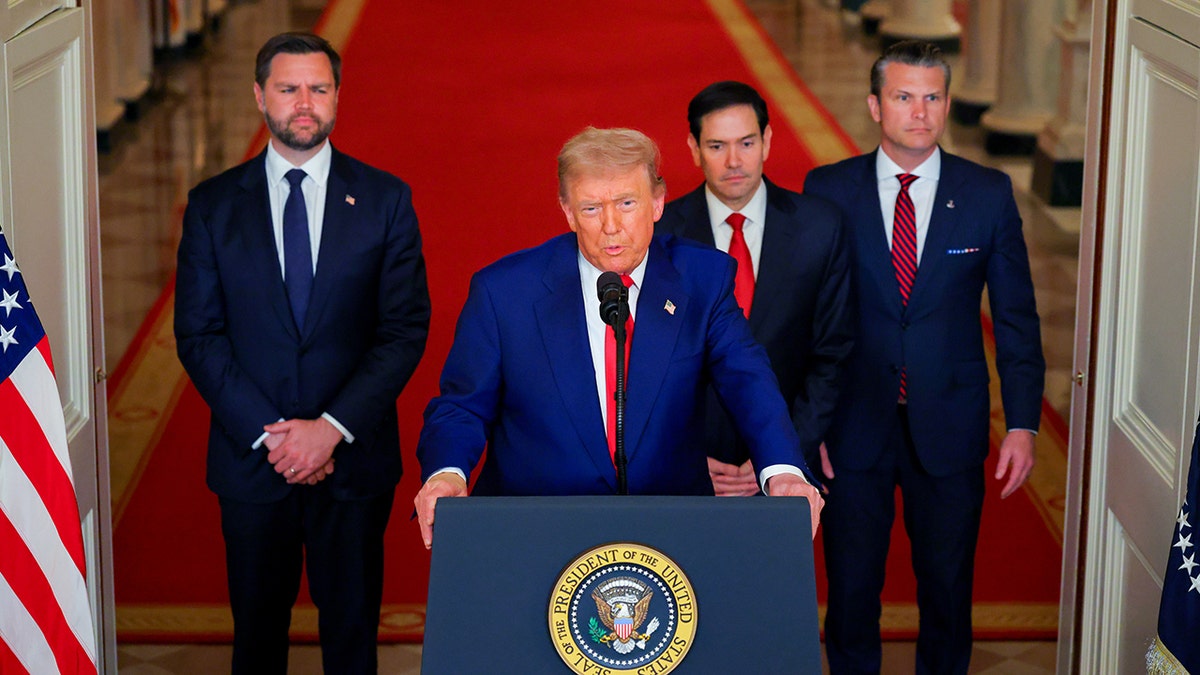
The proposed framework reportedly shifts away from initial demands for sweeping nuclear concessions. Instead, the agreement is expected to centre on a sixty-day extension of the current ceasefire. During this window, Iran would likely initiate a gradual lifting of its blockade on the Strait of Hormuz, with the United States simultaneously ending its counter-blockade to allow for the resumption of Iranian oil exports.
Strategic Implications and Criticism
The absence of nuclear restrictions in the early stages of this deal has raised concerns among critics. Republican Senator Ted Cruz has expressed “deep concern,” arguing that a deal that allows the Iranian regime to receive billions of dollars and continue uranium enrichment while retaining control over the Strait of Hormuz would be a “disastrous mistake.”
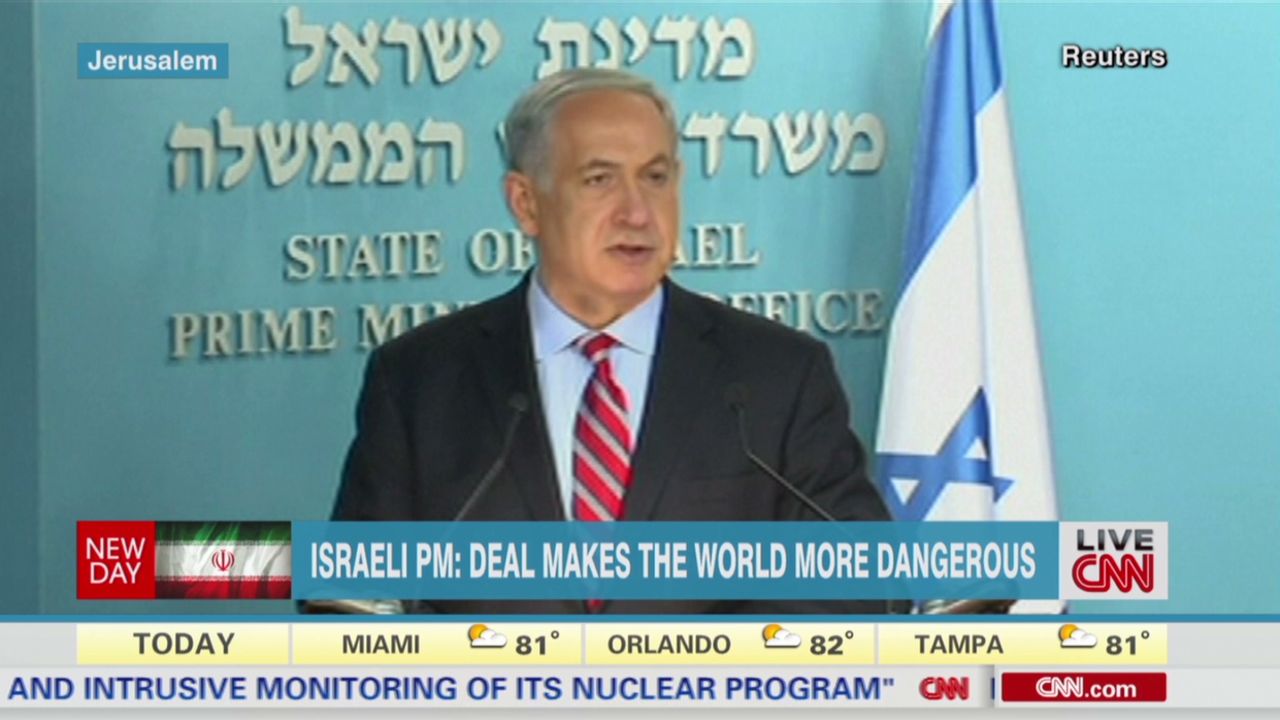
From the Israeli perspective, the situation is increasingly complex. Prime Minister Benjamin Netanyahu, who previously advocated for a more aggressive military stance toward Iran, now faces the reality of a potential deal that does not address key security concerns, such as Iran’s ballistic missile programme or its support for regional groups like Hamas and Hezbollah. Analysts, including military expert Amos Harel, have suggested that the current terms fail to deliver on previous promises of a decisive victory.
Looking Ahead
The path to a signed agreement remains uncertain. Officials in Tehran have dismissed the progress as a “bluff,” asserting that time remains on their side. Observers suggest that if the deal proceeds, it may serve as a mere foundation for future, more complex negotiations rather than a definitive resolution to the nuclear or regional conflicts.
Analysts anticipate that the success of these talks hinges on whether the administration can reconcile the demand for a swift resolution with the significant pressure from domestic and international allies to secure more substantial concessions. As the situation evolves, the effectiveness of this diplomatic pivot will be measured by its impact on both global oil markets and the balance of power in the Middle East.
Frequently Asked Questions
What is the primary focus of the potential agreement?
The agreement primarily focuses on a sixty-day ceasefire and the reopening of the Strait of Hormuz, allowing for the resumption of Iranian oil exports in exchange for the lifting of U.S. Sanctions and the release of frozen assets.
Why are critics concerned about the deal?
Critics argue that the deal does not include nuclear concessions, fails to address Iran’s ballistic missile programme, and does not require Iran to cease its support for organizations such as Hamas and Hezbollah.
What is the current stance of the Iranian government?
Iranian officials have characterized the U.S. Position as a “bluff,” maintaining that they are under no pressure to rush and that they believe time is on their side in the negotiation process.
How do you believe the shift toward diplomacy will impact the long-term stability of the region?