
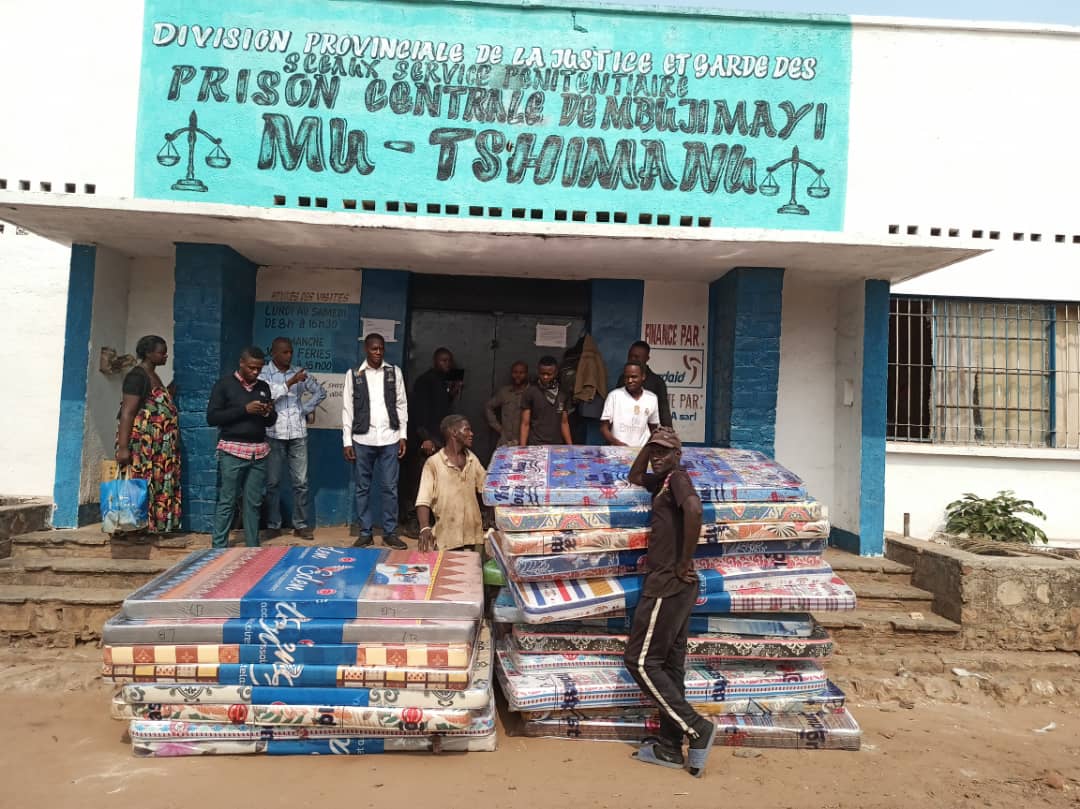
Tuberculosis Cases Confirmed in Mbuji-Mayi Central Prison: Urgent Need for Isolation Wards
Six confirmed cases of tuberculosis were reported Friday, June 19, at the Mbuji-Mayi central prison in Kasaï-Oriental following a screening campaign. According to Dr. Marcel Kazadi, the provincial coordinator for the fight against tuberculosis, the screening targeted more than 590 inmates and prison staff between June 11 and June 15.
What measures are being taken to treat the patients?
Medicines are already available to treat 82 people, according to Dr. Kazadi. This group includes the six confirmed cases and 76 individuals who displayed evocative signs of the disease during the screening process.
Dr. Kazadi stated that measures are currently being implemented to ensure the proper care of these patients.
Why is the transmission risk high at Mbuji-Mayi prison?
The facility lacks dedicated rooms for tuberculosis patients, according to Dr. Kazadi. This absence of specialized infrastructure means healthy prisoners are confined in the same spaces as those who are sick.
Dr. Kazadi warned that this proximity could fuel the transmission chain of the disease within the prison. He described the current living conditions as a daily shared existence between the infected and the healthy.
What could happen if infrastructure is not improved?
The continued absence of separate wards may lead to a wider spread of the illness. Dr. Kazadi believes the construction of reserved patient rooms is urgent to limit the propagation of tuberculosis.
This is not a new request. In March 2026, the coordination called on authorities to build two rooms separate from the large common dormitories to stop the transmission of contagious diseases in the closed environment.
Frequently Asked Questions
How many confirmed tuberculosis cases were found?
Six cases were confirmed following the screening campaign.
How many people are receiving treatment?
Medicines are available for 82 people, which includes six confirmed cases and 76 people with evocative signs.
What specific infrastructure is the prison missing?
The facility has no reserved rooms for tuberculosis patients, forcing the sick and healthy to live together.
How should authorities prioritize health infrastructure in closed environments?