
Turning Tragedy into Purpose: The Story of a Children’s Funeral Director
The journey of Amy, a mother of six, serves as a profound examination of the intersection between high-risk pregnancy, sudden infant illness, and the psychological path toward healing. Her experience highlights the devastating potential of rare pregnancy complications and the critical importance of medical vigilance in identical twins.
The Risks of Monochorionic Twin Pregnancies
Amy’s first experience with identical twins involved a high-risk pregnancy where the infants shared both a placenta and a gestational sac. Medical warnings were constant, as this specific configuration carries significant inherent risks for the developing fetuses.
During a twenty-week ultrasound, the first heartbeat was lost. Four weeks later, the second twin also passed away. Due to strict COVID-19 protocols at the time, Amy faced the trauma of induction and delivery alone, without her husband present.
RS Virus and a Critical Intervention
Two years later, Amy again conceived identical twins. While the birth on December 5 was successful, tragedy struck on December 11 when one son, Keave, passed away unexpectedly.
The subsequent medical investigation proved pivotal for the surviving twin, Keaden. Because identical twins share the same DNA, doctors insisted on examining Keaden immediately following Keave’s death.
Medical staff noticed Keaden appeared yellow and soon stopped breathing. He was diagnosed with the RS virus and spent twenty days in the intensive care unit before recovering on December 31.
Addressing the Gaps in Pediatric Grief Care
Following her losses, Amy experienced severe depression and found the existing funeral industry lacking in empathy, and flexibility. She noted a significant lack of choice regarding caskets, stationery, and burial locations for children.
This realization led her to train as a funeral director specializing in babies and children. Her approach focuses on holistic support, including practical help like cleaning and childcare for the grieving parents.
Support for Siblings
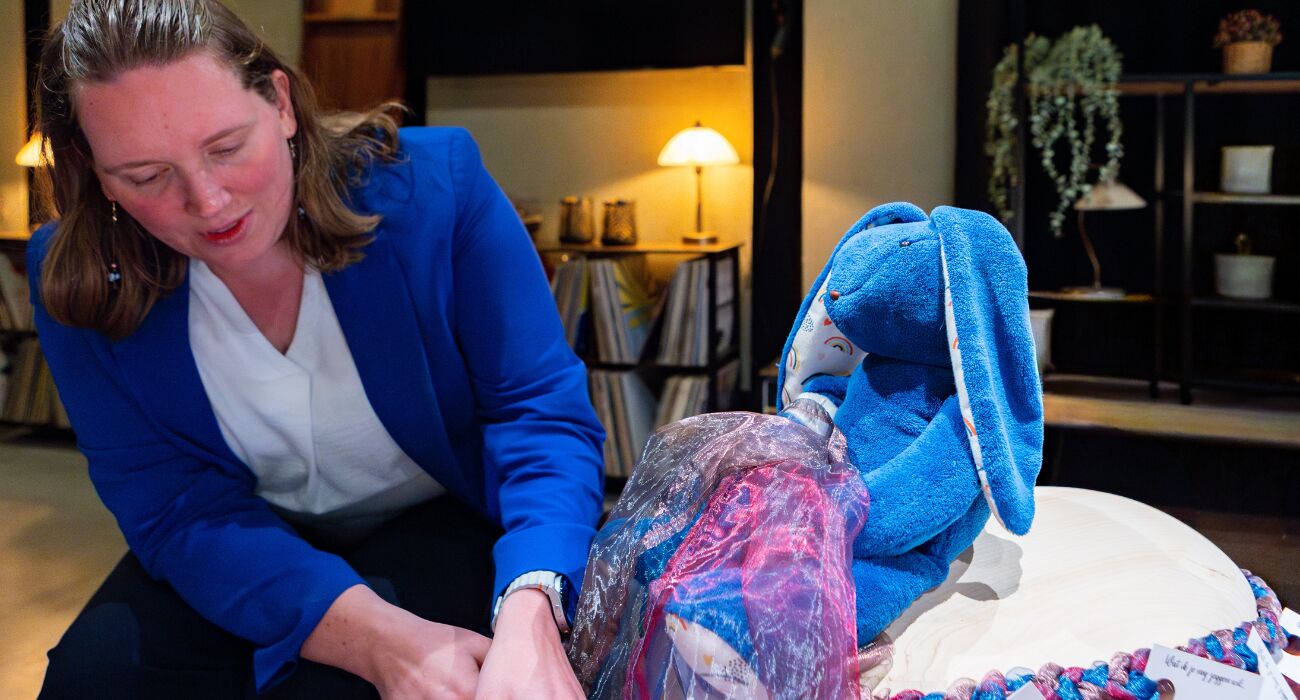
recognising that siblings are often overlooked during the mourning process, Amy introduced “I mourn you” memory boxes. These boxes were designed by her own eldest son to provide comfort to other children.

The boxes include items such as a blanket, a coloring book with markers, a stuffed animal, a photo frame, and a candle. This initiative aims to ensure that brothers and sisters feel included in the remembrance of their sibling.
The Path Toward Final Closure
Amy continues to process her grief through her professional work and her own family’s healing. She has expressed a need to rectify the circumstances of Keave’s original burial, which she describes as a place without light.
A plan has been established to exhumate Keave on December 11. He may be placed in a unique basket chosen by Amy’s eldest son and will be cremated at a location selected by the family.
This step could allow Amy to find the closure she seeks, potentially resolving the lingering distress she feels when comparing her clients’ experiences to her own past.
Frequently Asked Questions
What medical condition caused the death of one of Amy’s twins?
The surviving twin, Keaden, was diagnosed with the RS virus, which had also affected his brother, Keave.
How does Amy’s funeral service differ from traditional providers?
Amy provides holistic care, including household chores and childcare for parents, uses themed transportation instead of black hearses, and provides specialized memory boxes for siblings.
Why was Keaden taken to the emergency room immediately?
A doctor noticed that Keaden appeared yellow; because he shared the same DNA as his deceased twin, medical staff acted quickly to prevent a similar outcome.
How can healthcare systems better integrate emotional and practical support for families experiencing pediatric loss?