
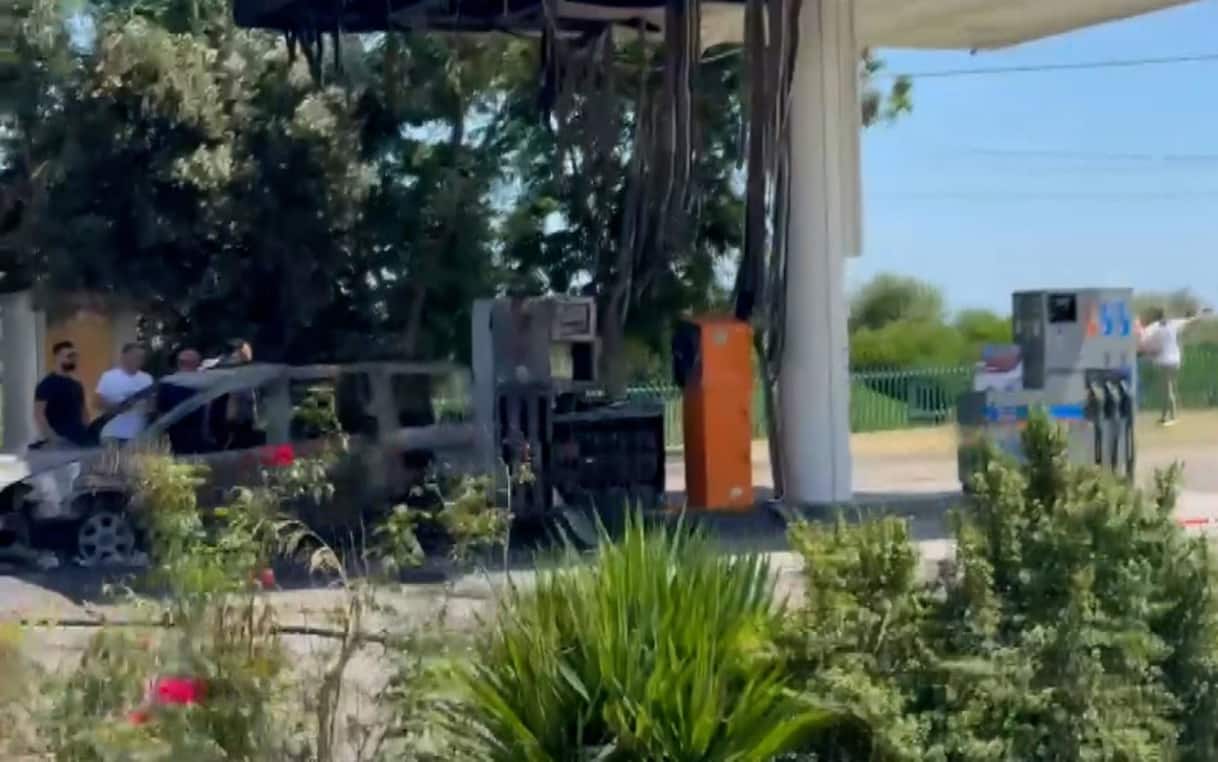
Two Arrested for Burning Four Farmworkers Alive in Calabria, Italy
Four agricultural laborers, one Pakistani and three Afghan men aged between 19 and 29, were killed in a brutal incident in Calabria last Monday. The victims were burned alive inside a minivan, a tragedy that authorities have described as an event of “unheard-of gravity.”
Two 31-year-old Pakistani nationals, identified as Safeer Ahmed and Ali Raza, have been detained by the Public Prosecutor’s Office of Castrovillari. The suspects are accused of multiple and aggravated homicide. Investigators were able to secure the arrests by analyzing footage from a fuel station’s surveillance system and gathering testimony from the sole survivor of the attack.
Did You Know? The victims, Waseem Khan, Amin Fazal Khogjani, Ullah Ismat Qiemi, and Safi Iayjad, were all legal residents in Italy with clean criminal records who had been living and working in the country for years prior to the attack.
Investigation Into Motives and Context
Prosecutor Alessandro D’Alessio described the investigation as a swift operation, noting that the case was reconstructed within hours. While the primary objective has been to identify and apprehend the suspects, authorities are currently working to determine the precise motive behind the killings.
One line of inquiry involves the exploitation of labor, specifically the practice of “caporalato,” though investigators are not ruling out other possibilities, such as internal conflicts regarding the control of agricultural work in the region. The prosecutor emphasized that the investigation remains ongoing, with a focus on building a robust evidentiary framework for the court.
Expert Insight: The involvement of the Squadra Mobile of Cosenza highlights the complexities of policing rural labor environments. This tragedy underscores the severe risks faced by migrant workers in the agricultural sector, where systemic issues of exploitation can escalate into extreme violence when workers demand basic rights or resist control.
The Survivor’s Account
Mohammad Taj Alamyar, a 35-year-old Afghan man, is the only person to survive the attack. According to his statement to investigators, the violence erupted after the victims repeatedly demanded payment for their labor harvesting strawberries across Calabria and Basilicata. The survivor reported that they had been denied wages, receiving only food and housing, and were subjected to threats involving knives and firearms.
Surveillance footage appears to corroborate elements of this account, showing two individuals moving around the minivan while preventing the occupants from exiting. The survivor managed to escape through a window or the trunk, sustaining burns to his arms in the process.
Looking Ahead
Legal proceedings are expected to continue as the Prosecutor’s Office of Castrovillari prepares to present the evidence to a judge. The investigation will likely delve deeper into the structure of labor management in the fields to determine if the suspects were part of a wider network of exploitation.
In response to the tragedy, the CGIL has scheduled a demonstration for this Saturday. The march will begin at the service station where the killings occurred and proceed to the town square of Amendolara, with the participation of general secretary Maurizio Landini.
Frequently Asked Questions
Who were the victims of the attack?
The victims were Waseem Khan (29, Pakistani) and three Afghan men: Amin Fazal Khogjani (28), Ullah Ismat Qiemi (19), and Safi Iayjad (27).
What evidence led to the arrests of the two suspects?
The arrests were supported by video surveillance from the fuel station where the vehicle was found, which captured the faces of the suspects and their actions during the attack, alongside the testimony provided by the sole survivor.
What is the alleged motive for the crime?
The survivor stated that the victims were killed after demanding payment for their work in the fields and refusing to pay transport fees to the suspects. Prosecutors are investigating these claims, including the potential role of “caporalato” and territorial control of agricultural labor.
How can communities better protect vulnerable workers from exploitation and violence in the agricultural sector?