
Types of Encephalitis: Causes and Prevention
Encephalitis can be caused by a variety of viral agents, including herpes simplex, enteroviruses, and regional threats like Central European and Japanese encephalitis. According to the World Health Organization (WHO) and the Ministry of Health, Social Services and Equality, these infections range from contagious respiratory droplets to tick and mosquito bites, sometimes resulting in permanent disability.
What are the common viral causes of encephalitis?
Various viruses can trigger inflammation of the brain. Herpes viruses include herpes simplex type 1 and 2, which cause oral or genital vesicles, as well as cytomegalovirus (CMV), varicella-zoster (VZV), and less commonly HHV-6, HHV-8, and the Epstein-Barr virus.

Enteroviruses also cause encephalitis. Polio primarily affects children, while the coxsackie virus and hepatitis A are other culprits. Hepatitis A spreads through direct contact with an infected person or by consuming contaminated food and drinks.
Other highly contagious viral infections include measles, mumps, and rubella. Measles spreads through direct contact or via “Pflügge droplets”—tiny secretions projected during coughing, sneezing, or speaking. Mumps causes painful swelling of the salivary glands and can affect other organs in adults, spreading via direct contact or objects contaminated with urine or saliva. Rubella affects children and young adults through coughing, sneezing, or touching contaminated surfaces like glasses and tissues.
How does Central European Encephalitis affect patients?
The Ministry of Health, Social Services and Equality states this type of encephalitis attacks the central nervous system. Initial symptoms may resemble the flu, but the condition could progress to paralysis, permanent sequelae, or death.
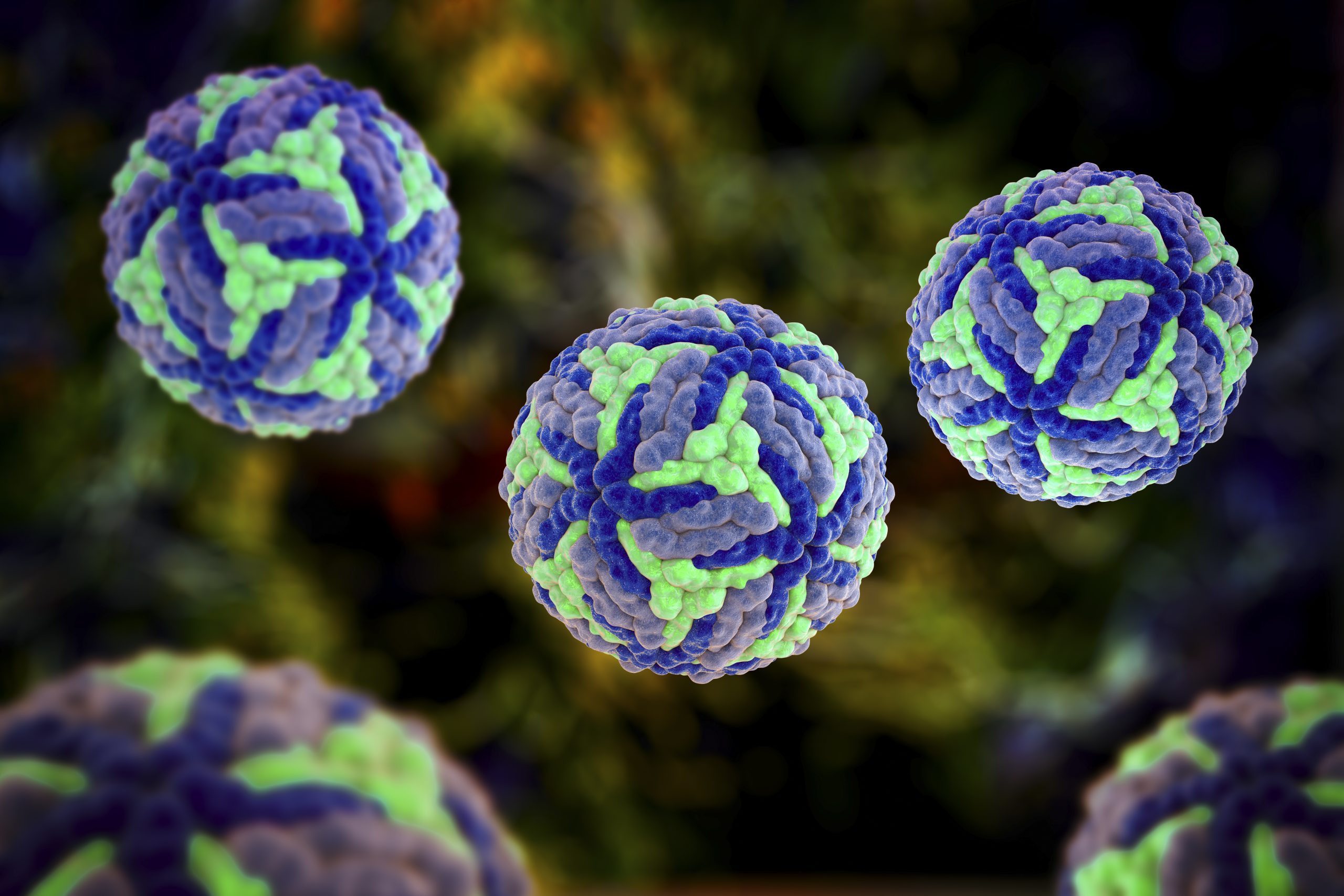
The WHO identifies this as the most significant disease in Europe. It is most prevalent in rural and forested areas during summer months. To reduce risk, the Ministry recommends wearing closed shoes and long pants.
Travelers camping or visiting these regions may need vaccination two months before departure. The process involves three intramuscular doses: the first two administered 4 to 12 weeks apart, followed by a third dose 9 to 12 months after the second. Common side effects include pain, swelling, and redness at the injection site, while fever, nausea, and joint pain occur less frequently.
What are the risks associated with Japanese Encephalitis?
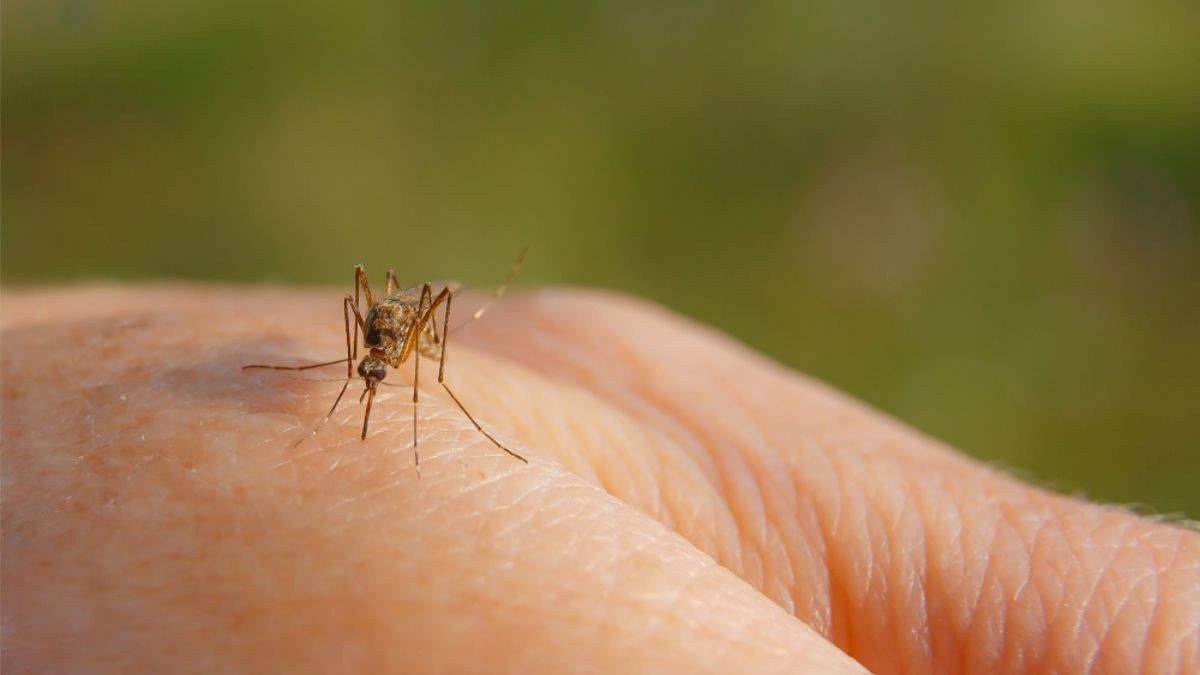
Japanese Encephalitis is transmitted by mosquitoes of the same genus as those carrying West Nile virus, yellow fever, and dengue. It does not spread from person to person.
Risk is highest for those living in rural areas of Asia or long-term travelers to these regions. Symptoms can include disorientation, coma, stiff neck, fever, or paralysis. According to the WHO, 20% to 30% of survivors are left with a permanent disability.
In Spain, the only available vaccine is Vero, produced from Vero cells. It requires two doses 28 days apart, with the second dose administered one week before travel. The WHO recommends that countries where the disease is a public health problem integrate this vaccine into national calendars. Potential side effects include general malaise, headache, fever, swelling, and redness.
What may happen next for at-risk populations?
Individuals planning travel to rural Asia or European forests could see a higher emphasis on pre-trip medical consultations to meet vaccination windows. Depending on regional health trends, the WHO may continue to encourage national health calendars to adopt Japanese Encephalitis vaccinations in affected zones.
Frequently Asked Questions
How is Central European Encephalitis transmitted?
It is transmitted through the bite of an infected tick or the ingestion of raw, unhygienized milk.
Who is most at risk for Japanese Encephalitis?
The risk is highest for people living in rural areas of Asia or those traveling to these regions for extended periods.
What are the symptoms of Japanese Encephalitis?
Infected individuals may experience fever, paralysis, coma, disorientation, or a stiff neck.
How do you prepare your health precautions when traveling to rural or forested regions?