
U.S. and Iran Reach Agreement to End War, Israel and Hezbollah Agree to Ceasefire Amid Repeated Violations
U.S.-Iran Nuclear Talks Postponed Amid Lebanon Conflict
The first round of U.S.-Iran nuclear talks, scheduled to begin in Switzerland, has been delayed as renewed fighting in Lebanon complicates diplomatic efforts. Special envoy Steve Witkoff was in Geneva for preliminary discussions, but Vice President JD Vance’s planned trip was canceled, according to the White House. The memorandum of understanding (MOU) signed by President Trump and Iranian President Masoud Pezeshkian earlier this week stipulates 60 days of technical negotiations, though the timeline remains uncertain.
Qatar’s prime minister, Sheikh Mohammed bin Abdulrahman bin Jassim Al-Thani, arrived in Switzerland to mediate, while Iran’s foreign affairs minister, Abbas Aragchi, did not attend. The International Atomic Energy Agency (IAEA) will oversee uranium downblending, but Tehran’s skepticism about U.S. compliance persists. Iran’s Supreme National Security Council stated it has “complete distrust” in Washington to uphold the agreement, warning of “reciprocal action” if terms are violated.
Why Is the U.S.-Iran Agreement Failing to Bring Stability?
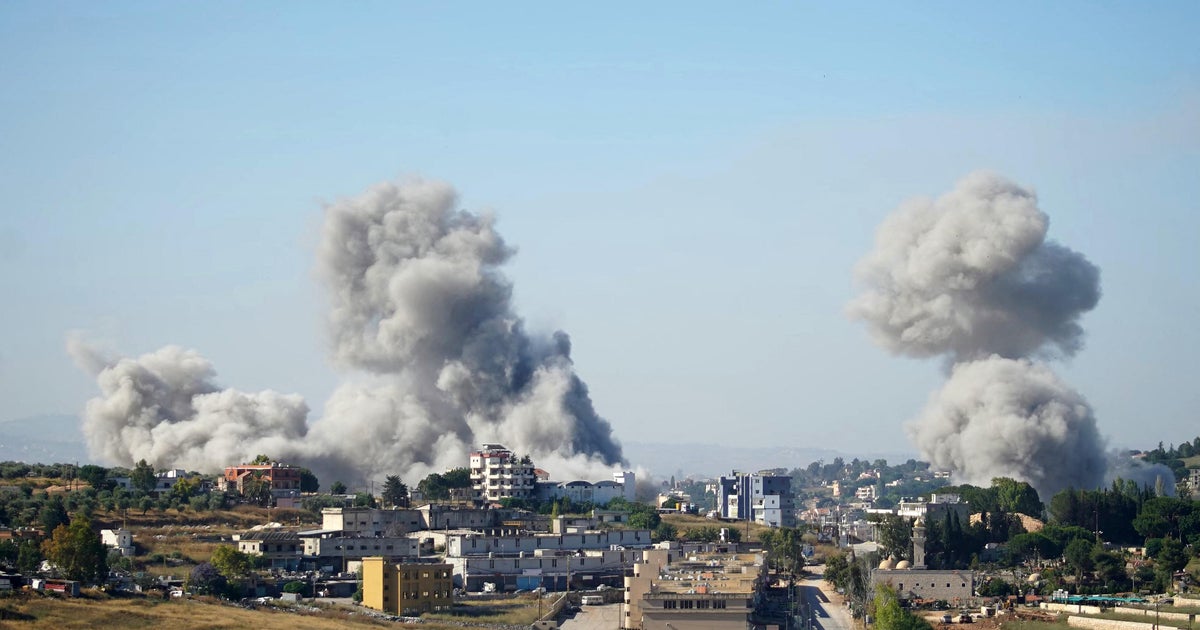
The MOU’s success hinges on resolving conflicts in Lebanon, where Israel and Hezbollah have exchanged fire despite a reported ceasefire. Israeli strikes on June 19 killed at least 47 people, including seven women and two children, according to Lebanon’s health ministry. Hezbollah accused Israel of “massacres” and vowed to continue attacks, while Israel claimed it targeted “terrorist infrastructure.” The U.S.-Iran deal, which calls for an immediate halt to hostilities, faces scrutiny as fighting escalates.
French Foreign Minister Jean-Noël Barrot urged the U.S. to pressure Israel to comply with the agreement, citing the need to “respect” the terms. Meanwhile, Iranian Supreme Leader Khamenei accused Trump of signing the deal “out of desperation,” a claim the president denied, stating, “We didn’t meet out of desperation, Iran did.”
Strait of Hormuz Sees Record Ship Traffic Amid Tensions
Twenty-five commercial vessels transited the Strait of Hormuz on June 18, the highest number since mid-April, as the U.S.-Iran agreement eased restrictions. Axsmarine data showed the spike followed the MOU’s signing, which aimed to reopen the critical waterway. However, Iran’s new Persian Gulf Strait Authority (PGSA) now requires ships to hold “insurance approved by the PGSA,” raising concerns about potential fees and route controls.
The PGSA’s rules, outlined in a document seen by CBS News, mandate ships follow a route around Larak Island and seek approval during the 60-day MOU period. While the deal includes a $300 billion reconstruction plan for Iran, the U.S. has not yet released frozen assets, a point of contention for Tehran.
How Are Regional Mediators Responding to the Crisis?
Pakistan, Saudi Arabia, and Turkey are set to meet in Egypt to discuss the conflict, according to officials. The four-nation meeting aims to address “regional developments” and coordinate efforts to stabilize the Middle East. Meanwhile, Qatar has mediated U.S.-Iran talks, with Prime Minister Sheikh Mohammed emphasizing the need for “peace, security, and stability.”
U.S. Secretary of State Marco Rubio reiterated the importance of Lebanon-Israel negotiations, calling them “the only feasible path to reconstruction.” However, Hezbollah has rejected past talks, insisting Israel must withdraw from Lebanese territory entirely.
Israel’s Stance on Hezbollah and the Ceasefire
Israeli Ambassador Yechiel Leiter asserted that Israel has “not carried out any strikes” since 11:30 a.m. local time, calling Hezbollah’s claims of ceasefire violations “bold lies.” However, the IDF reported striking 80 Hezbollah targets in southern Lebanon, with at least 18 civilians killed. Prime Minister Netanyahu vowed to “exact a heavy price” from Hezbollah for the deaths of four Israeli soldiers, stating Israel will remain in southern Lebanon “as long as necessary.”
Hezbollah, designated a terrorist group by the U.S. and Israel, claimed Israel’s actions “threaten the agreement,” while Israel accused the group of “repeated violations.” The fragile ceasefire faces further strain as both sides trade accusations of non-compliance.
What Role Does the IAEA Play in the Nuclear Talks?
The IAEA, led by Rafael Grossi, will oversee verification of Iran’s nuclear program under the MOU. The agency’s role includes inspecting uranium enrichment facilities and ensuring compliance with downblending agreements. However, Iran’s chief negotiator, Mohammad Bagher Ghalibaf, warned that Tehran will not “waver from its red lines,” signaling potential resistance to U.S. demands.
U.S. officials have emphasized the need for “precise supervision” of the negotiations, with the White House stating it will “begin technical talks as soon as possible.” The delay, however, has raised questions about the feasibility of the 60-day timeline amid ongoing violence.
Frequently Asked Questions
What caused the U.S.-Iran talks to be postponed?
The talks were delayed due to intensified fighting between Israel and Hezbollah in Lebanon, which has undermined the ceasefire agreement. Vice President JD Vance’s trip to Switzerland was canceled, and Iran suspended direct negotiations over the conflict, according to officials.
How many ships passed through the Strait of Hormuz recently?
Twenty-five commercial vessels transited the Strait of Hormuz on June 18, the