

U.S. Embassy Moscow Security Alert: Drone and UAV Activity in Russia
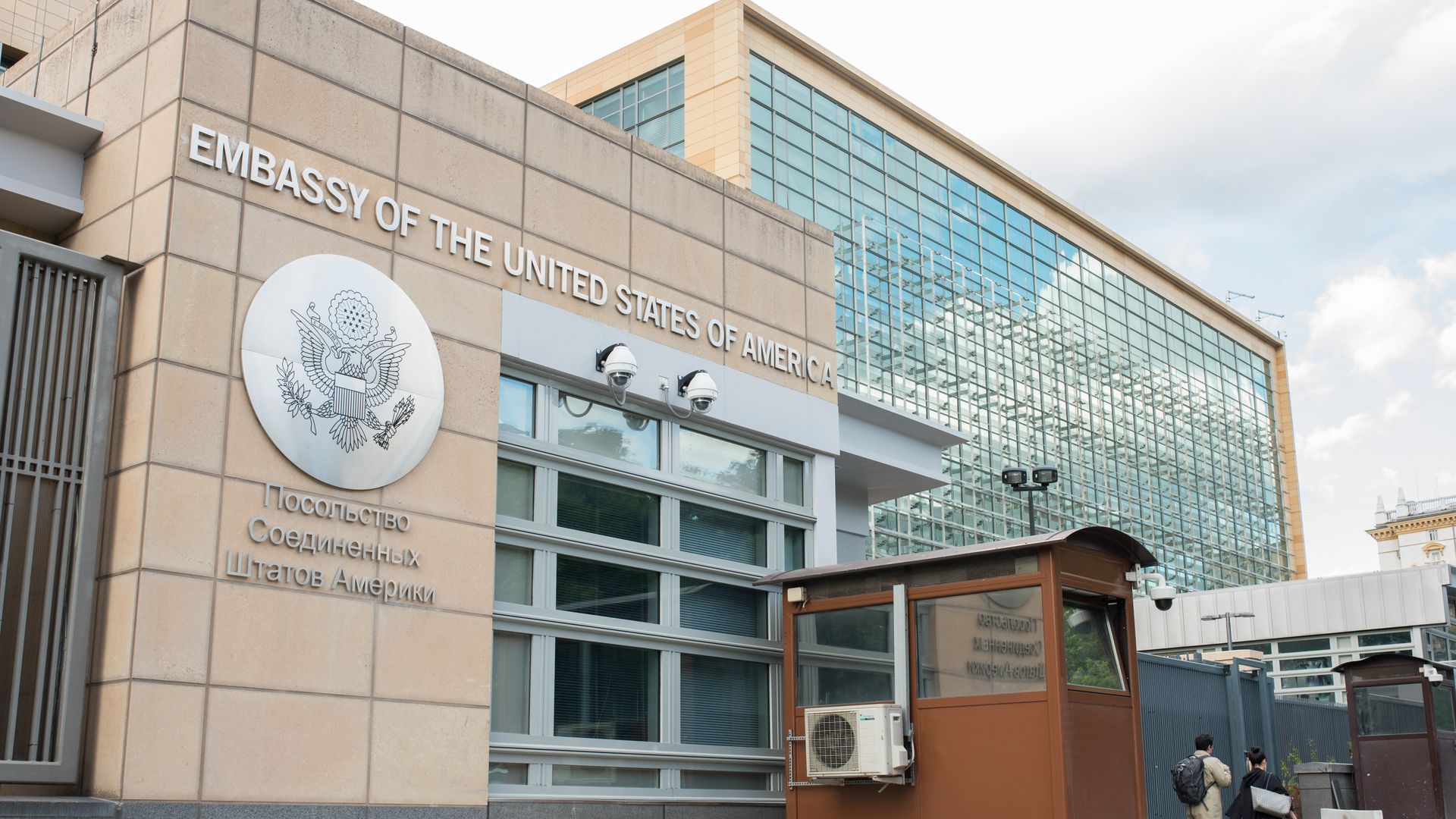
U.S. citizens in Russia face escalating risks from drone attacks in major urban centers and severe legal penalties for documenting these events, according to a June 18, 2026, security alert from the U.S. Embassy in Moscow. The State Department maintains a Level 4 “Do Not Travel” advisory for the country, citing terrorism, unrest, and the risk of wrongful detention.
What are the current drone risks in Russian cities?
Unmanned Aerial Vehicles (UAVs) and drone-related explosions are no longer confined to border regions. According to the U.S. Embassy in Moscow, attacks have occurred near the Ukrainian border and within large cities, specifically naming Moscow, Kazan, and St. Petersburg.
The embassy instructs individuals to move away from any UAV sightings immediately and seek cover. In the event of an emergency, the official guidance is to follow the instructions of local Russian authorities and seek shelter.
Why is photographing drones in Russia dangerous?
Taking a photo of a drone or its debris in Russia can lead to criminal charges. The U.S. Embassy warns that Russian law prohibits sharing or publishing images and videos that depict the aftermath of drone attacks, including photos of UAV parts.
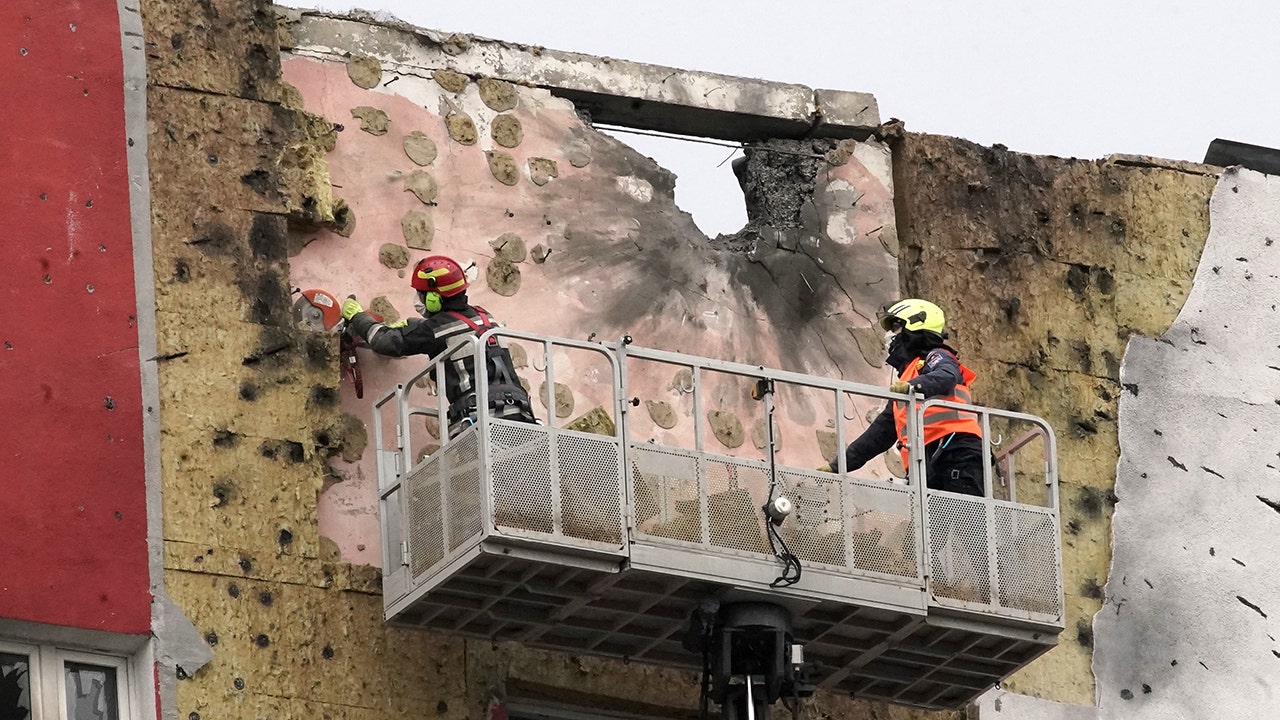
Violating these laws doesn’t just result in a ticket. According to the embassy’s alert, those who photograph or publish such materials may face fines or imprisonment. This creates a high-risk environment for foreigners who might instinctively document an emergency or a sighting.
The embassy’s directive is absolute: do not approach, touch, or photograph UAVs or any objects they may have dropped.
How does the “Do Not Travel” status affect U.S. citizens?
The Level 4 advisory indicates that the U.S. government cannot provide the same level of support it typically offers in other countries. While the U.S. Embassy in Moscow continues to provide routine and emergency services, the operational capacity of the U.S. Mission to Russia is severely limited.
The risk is compounded by “wrongful detention,” a specific risk highlighted by the State Department. When combined with strict laws regarding the documentation of military or security events, the potential for legal entanglement for U.S. citizens is significant.
Which U.S. diplomatic services are currently unavailable?
Support for U.S. citizens is currently centralized in Moscow. The U.S. Consulate General in Vladivostok and the U.S. Consulate General in Yekaterinburg remain in suspended status, according to the embassy.
The embassy attributes these closures to “critically low staffing” of the United States Mission to Russia. This means citizens in the eastern and central regions of the country must rely on the Moscow embassy for all consular needs, increasing the logistical burden during an emergency.
Comparison of Drone Activity Zones
| Location Type | Reported Activity | Embassy Guidance |
|---|---|---|
| Border Regions | UAV attacks and explosions | Avoid area; seek shelter |
| Major Cities (Moscow, etc.) | UAV sightings and explosions | Move away; do not photograph |
Frequently Asked Questions
Can I still get help from the U.S. government in Russia?
Yes, the U.S. Embassy in Moscow provides routine and emergency services, though staffing is low and regional consulates are closed.

What should I do if I see a drone in a Russian city?
Move away immediately, seek cover if necessary, and follow all instructions from local Russian law enforcement.
Is it legal to post a video of a drone strike on social media?
No. According to the U.S. Embassy, Russian law prohibits sharing photos or videos of the aftermath of drone attacks, and doing so can lead to imprisonment.
Which consulates are closed?
The U.S. Consulate General in Vladivostok and the U.S. Consulate General in Yekaterinburg are currently suspended.
Where can I find more travel safety information?
Official updates are available at travel.state.gov.
Stay Informed: Are you following the latest travel advisories for high-risk regions? Share your thoughts in the comments or subscribe to our newsletter for critical security updates and global travel analysis.