
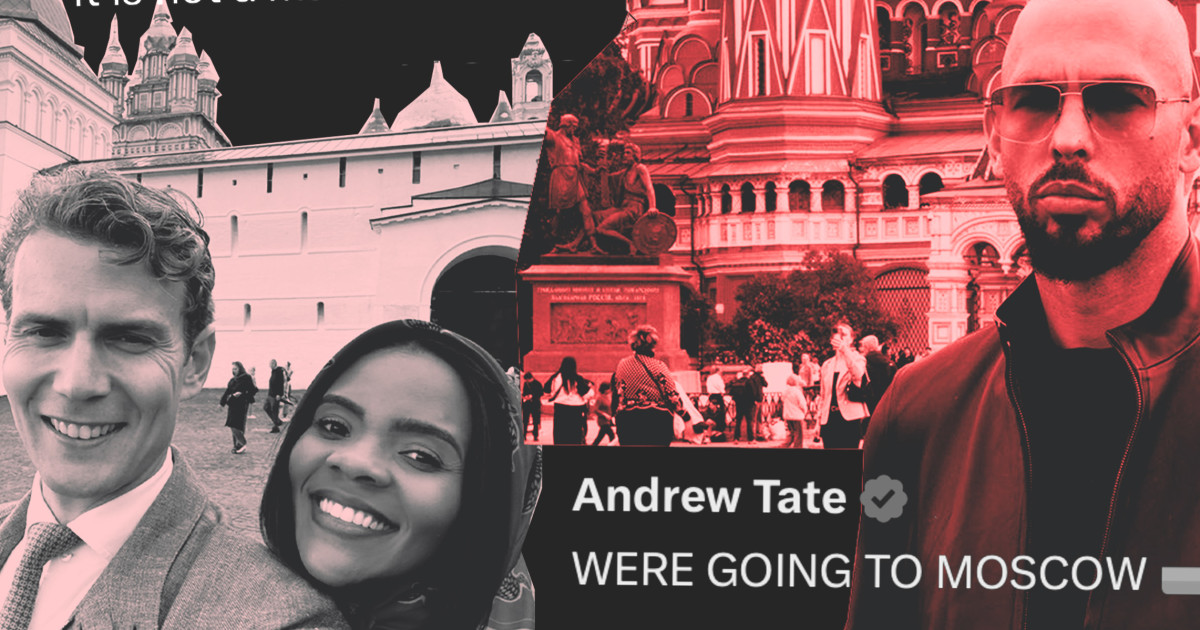
U.S. Influencers and Official Visit Russia Amid Putin’s Propaganda Push
U.S. influencers and unofficial representatives are increasingly visiting Russia to challenge Western narratives, a trend that Russian officials use to project a “diplomatic thaw” despite ongoing sanctions and the war in Ukraine. This shift toward “influencer diplomacy” allows the Kremlin to bypass traditional state channels and signal to domestic audiences that Russia is not isolated.
Why is Russia courting U.S. influencers during wartime?
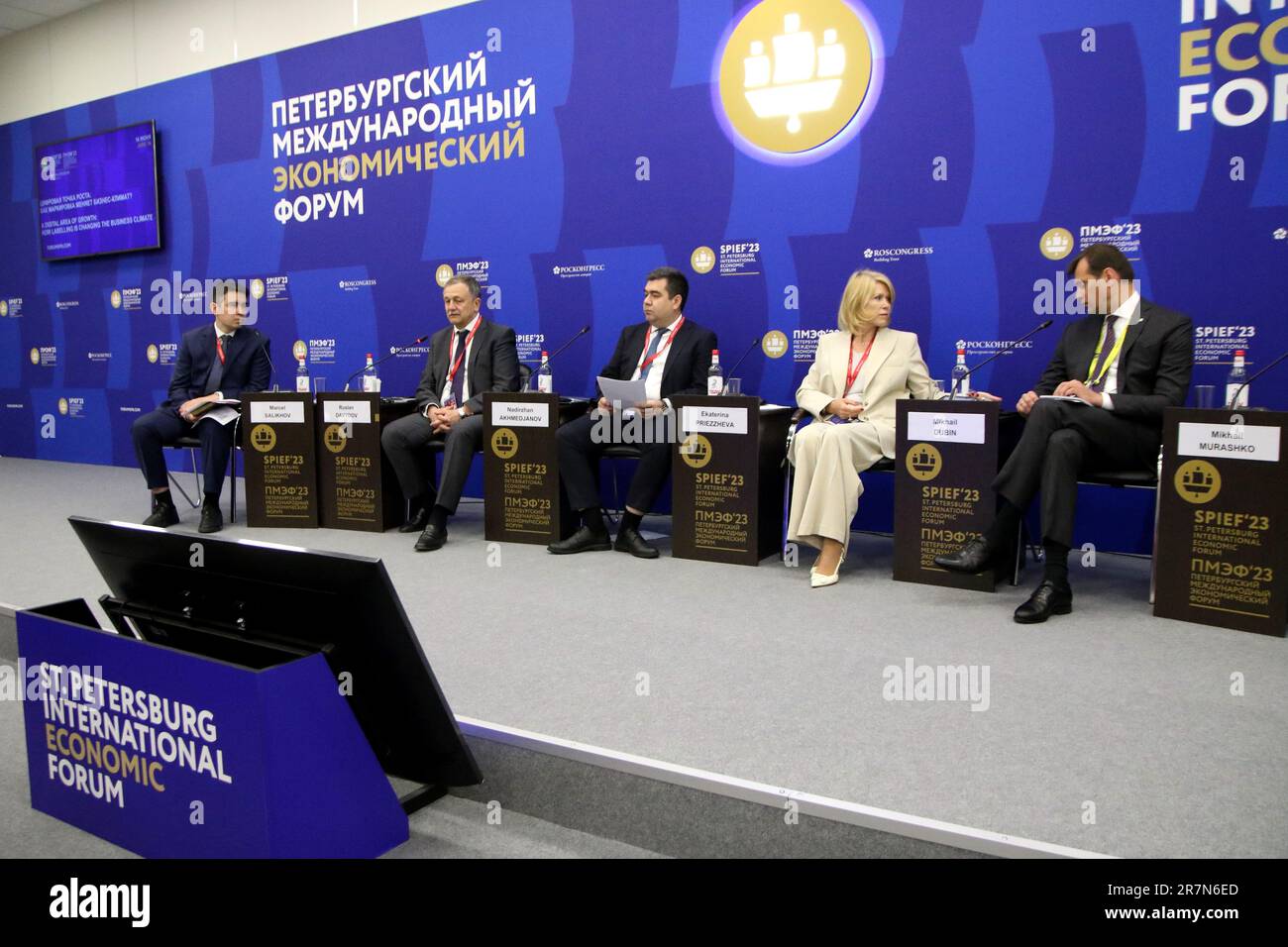
The Kremlin uses high-profile American visitors to create a veneer of normalcy and global acceptance. During the St. Petersburg International Economic Forum (SPIEF) on June 3, the Russian government hosted 20,000 guests from over 100 countries. This timing is strategic. According to Luke Coffey, a senior fellow at the Hudson Institute, these visits serve as a domestic propaganda win, signaling to dissatisfied Russians that the country remains an attractive destination for Westerners.
The goal isn’t necessarily to change the minds of the American public. Instead, it’s about internal optics. While Ukrainian drone strikes were causing black smoke to rise over St. Petersburg oil terminals, the presence of figures like Candace Owens provided a counter-narrative of stability. As Michael Kimmage of the Wilson Center noted, these visits imply an economic thaw that doesn’t actually exist in official policy.
Will “Influencer Diplomacy” replace traditional statecraft?
We are seeing a transition where private citizens with massive digital reach carry more weight than mid-level diplomats. Candace Owens, for example, used her platform to describe Moscow as “clean and safe,” directly contradicting U.S. State Department travel advisories that warn of “wrongful detention” and “terrorism.”
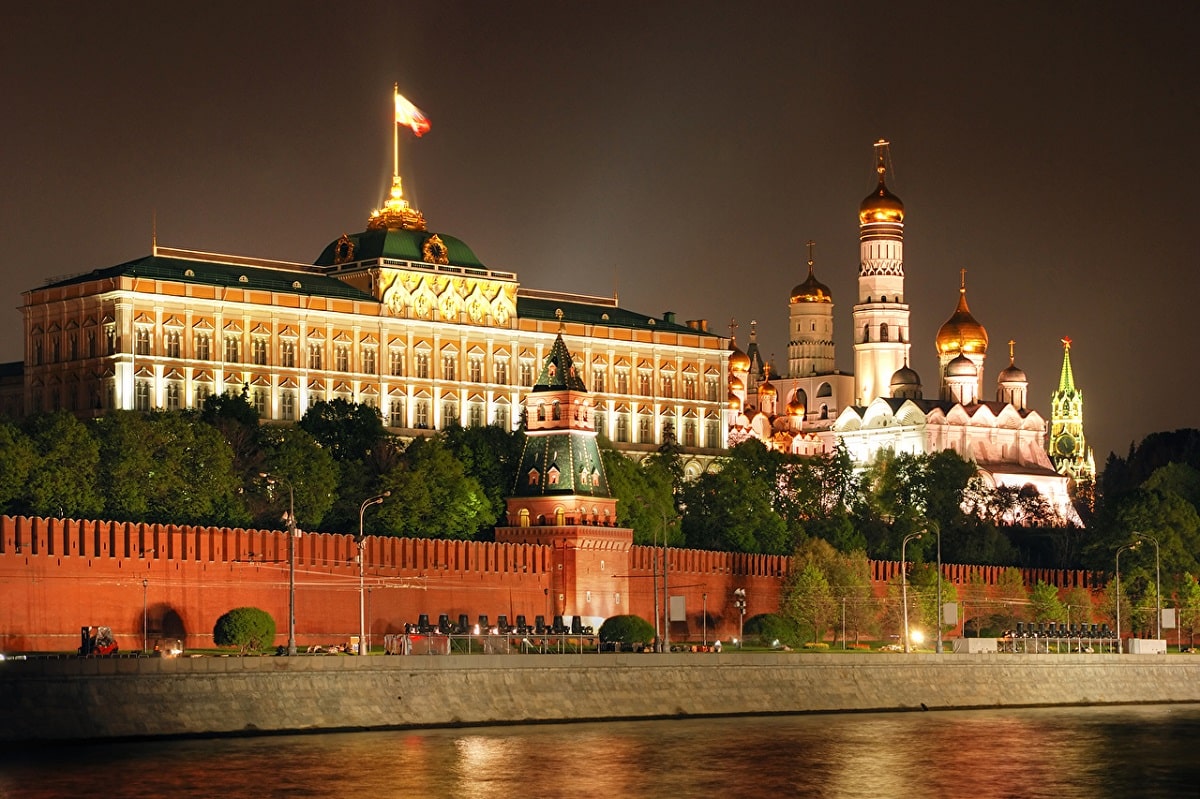
This trend creates a “shadow diplomacy.” Rodney Mims Cook Jr., chairman of the U.S. Commission of Fine Arts, attended SPIEF to discuss arts and culture. While Russian aide Yury Ushakov framed this as a significant thaw—the first U.S. official at the forum in nearly a decade—Secretary of State Marco Rubio stated he was “not aware” of a U.S. delegation. This disconnect shows how individual actors can create diplomatic noise that complicates official government stances.
The “Manosphere” effect in geopolitics
The visit of Andrew and Tristan Tate to Moscow highlights a new alliance between the Kremlin and “anti-establishment” Western figures. By filming content in Red Square and visiting churches, the Tates lean into a shared rhetoric of “traditional values” and “anti-globalism.” This isn’t about policy; it’s about brand alignment. Both the Tates and the current Russian administration position themselves as outsiders fighting a perceived Western hegemony.
How does this impact U.S.-Russia relations moving forward?
Expect more “cultural exchanges” that bypass the State Department. When official channels are frozen, the “cultural bridge” becomes a tool for intelligence and influence. We’ll likely see more U.S. figures visiting Russia to discuss “traditional family dynamics” or “classical arts,” as Owens and Cook did, to create a safe space for dialogue that avoids the topic of the battlefield.
However, the risk remains high. The U.S. government continues to warn that American citizens are often detained on “trumped-up charges” to be used as bargaining chips in prisoner swaps. This creates a dangerous paradox: influencers seek the “clout” of visiting a forbidden land, while the host government views them as potential leverage.
Comparing Official Narratives vs. Influencer Content
There is a stark contrast in how these visits are framed. On one side, the U.S. government emphasizes risk and sanctions. On the other, influencers post picturesque images of the Kremlin to suggest a “Cold War hangover” is blinding Americans to the reality of modern Russia.
- U.S. State Department: Warns of “wrongful detention” and “unrest.”
- Candace Owens: Describes Moscow as a “magnificent city” and “safe.”
- Russian State Media: Frames the presence of a U.S. official as a “thaw in relations.”
- Hudson Institute (Luke Coffey): Views the visits as “largely irrelevant” to U.S. public opinion but a “small victory” for Russian propaganda.
Frequently Asked Questions
Why are U.S. influencers visiting Russia despite travel warnings?
Many are drawn by the opportunity to challenge mainstream media narratives, build their brand as “independent thinkers,” or align themselves with traditionalist values promoted by the Kremlin.
Does the presence of these individuals mean sanctions are ending?
No. According to experts like Michael Kimmage, these visits are propaganda tools and do not reflect a genuine change in economic or diplomatic policy.
Is it legal for U.S. citizens to visit Russia?
While the State Department strongly advises against it, it is not illegal for U.S. citizens to travel to Russia, though they do so at significant personal risk of detention.
What do you think? Is “influencer diplomacy” a genuine way to bridge divides, or is it simply a tool for state propaganda? Let us know in the comments below or subscribe to our newsletter for more deep dives into geopolitical trends.