
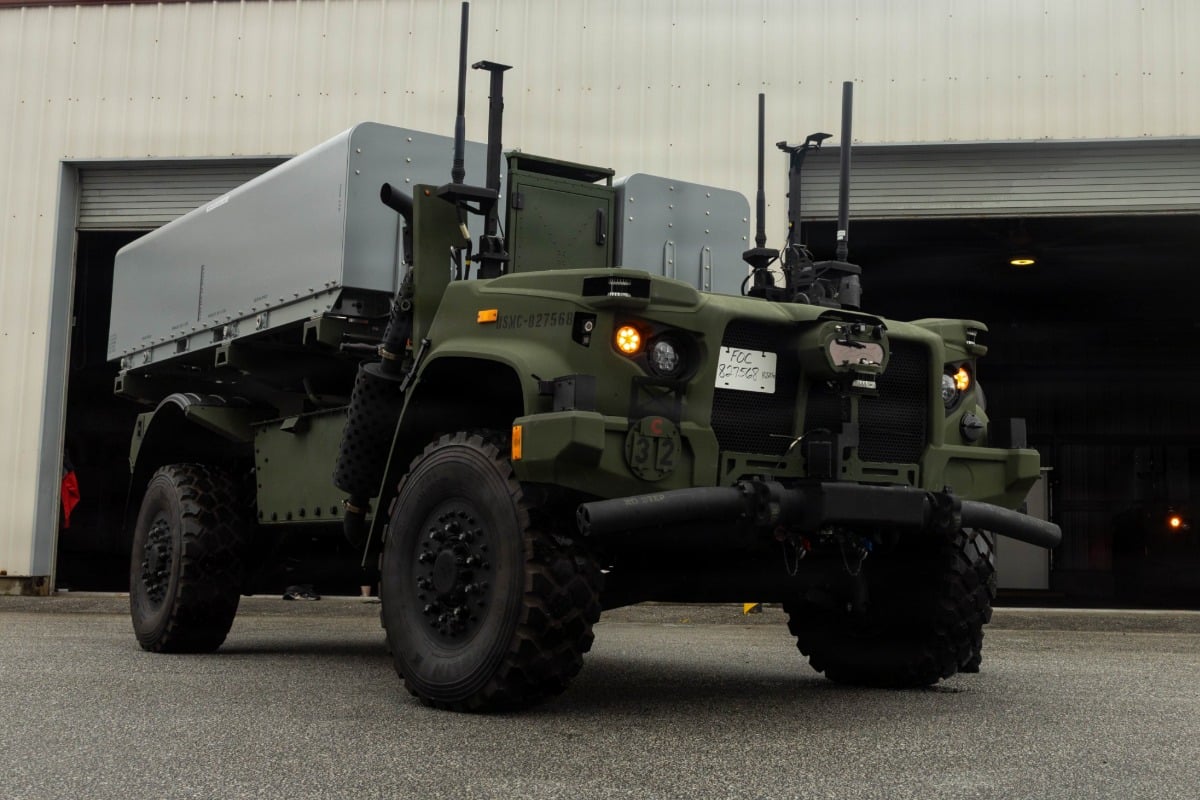
U.S. Marines get unmanned ship-killer missiles in Okinawa
The 12th Marine Littoral Regiment (MLR) on Okinawa completed its combat weapons fielding in June 2026 after receiving NMESIS and MADIS systems. According to Marine Corps records, these unmanned anti-ship launchers and integrated air defense systems allow the regiment to contest naval power and neutralize drone threats across the first island chain.
How does NMESIS change naval warfare in the East China Sea?
The Navy-Marine Expeditionary Ship Interdiction System (NMESIS) shifts the risk from human operators to unmanned platforms. The system uses an unmanned Joint Light Tactical Vehicle (JLTV) to launch two Naval Strike Missiles, which have a range of 185 kilometers (115 miles), according to technical specifications provided by the Marine Corps.
These missiles, developed by Kongsberg, use a sea-skimming profile and imaging infrared seekers to avoid radar and hit targets. Because the JLTV is operated remotely, the Marine Corps can push launchers into exposed terrain without risking personnel. This creates a distributed threat that is harder for an adversary to target than a concentrated base.
Positioned on Okinawa, the 12th MLR now sits less than 400 kilometers (249 miles) from the Taiwan Strait. This placement allows the regiment to monitor and threaten maritime corridors essential for any naval force moving through the region.
Why is the MADIS system critical for land-based missile batteries?
The Marine Air Defense Integrated System (MADIS) protects high-value assets from the proliferation of unmanned aerial systems. It mounts a 30mm cannon, a 7.62mm machine gun, and Stinger short-range missiles on a JLTV chassis, according to Marine Corps fielding data.
The MADIS is designed to engage drones and low-flying aircraft while the vehicle is in motion. This creates a mutual dependency between the two new systems: NMESIS provides the offensive strike against ships, while MADIS prevents drones from destroying those launchers before they can fire.
The Marine Corps is scaling this capability rapidly. After unveiling the first series-produced MADIS in September 2025 and delivering 20 units by the end of that year, the service aims to field 190 systems by 2035 across its Littoral Anti-Air Battalions and MLRs.
What happens next for Force Design 2030 in the Pacific?
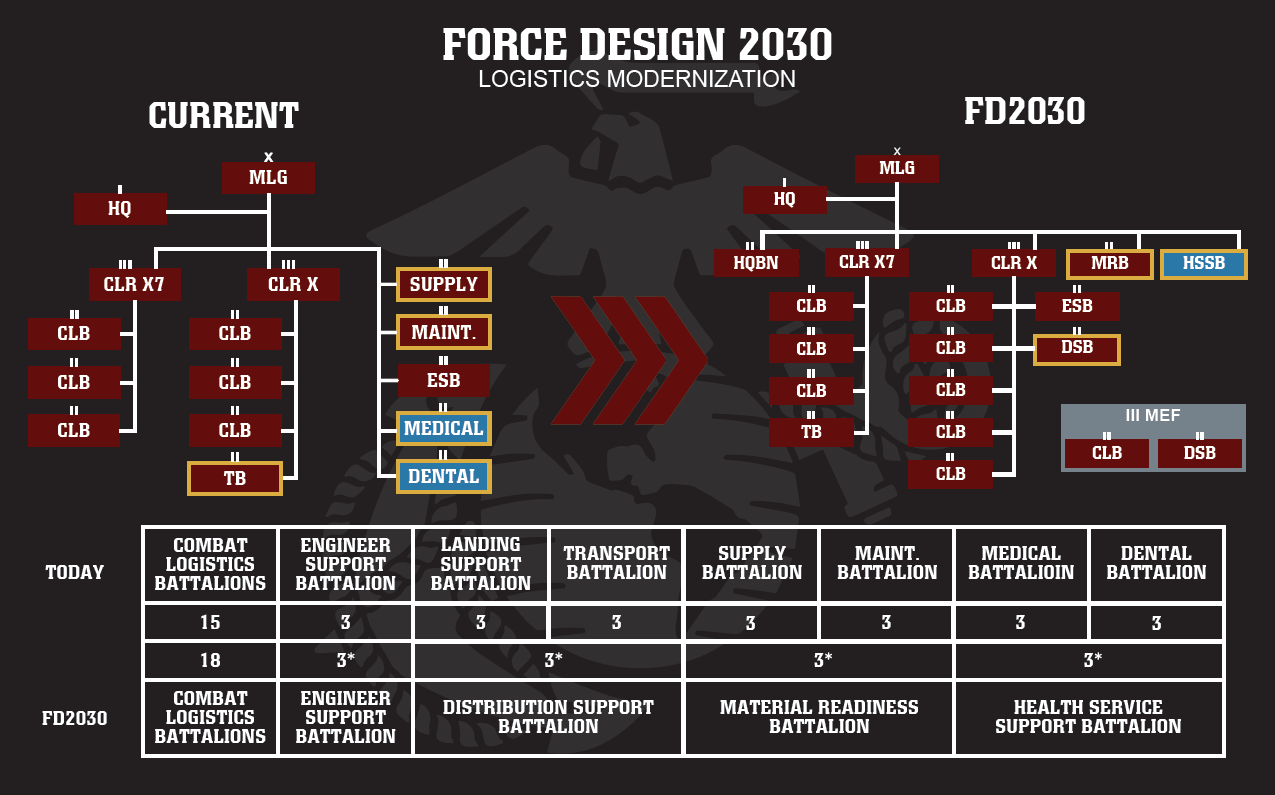
The arrival of these weapons in Okinawa marks the culmination of Force Design 2030, a restructuring that moves the Marine Corps away from large-scale amphibious assaults. The service now prioritizes “stand-in forces”—small, mobile units embedded in island chains to contest adversary movement.
The 12th MLR is the second unit to reach this capability. The 3rd MLR in Hawaii received NMESIS in November 2024 and MADIS in December 2024. The 3rd MLR subsequently tested these systems during Exercise Balikatan 25 and 26 in the Philippines and Exercise Resolute Dragon 2025 in Japan.
Col. Peter Eltringham, commanding officer of the 12th MLR, stated that this combat power is intended to be visible to adversaries. He noted that the regiment operates alongside Japanese ground, air, and maritime Self-Defense Force partners to strengthen the alliance in the theater.
Comparing the 3rd and 12th Marine Littoral Regiments
While both regiments now possess the same combat teeth, their operational roles differ based on geography. The 3rd MLR serves as the primary testing and deployment hub from Hawaii, whereas the 12th MLR provides a permanent, forward-deployed presence on Okinawa.

| Feature | 3rd MLR (Hawaii) | 12th MLR (Okinawa) |
|---|---|---|
| NMESIS Arrival | November 2024 | June 2026 |
| MADIS Arrival | December 2024 | June 2026 |
| Primary Role | Expeditionary Testing/Deployment | Forward-Deployed Deterrence |
Frequently Asked Questions
What is the range of the NMESIS missile?
The Naval Strike Missile fired by the NMESIS has a range of 185 kilometers (115 miles).
Is the NMESIS vehicle manned?
No. It is an unmanned JLTV operated remotely by a crew to reduce risk to personnel.
What does MADIS protect against?
MADIS protects against drones and low-flying aircraft using a 30mm cannon, 7.62mm machine gun, and Stinger missiles.
Who is the 12th Marine Littoral Regiment’s primary partner?
The regiment operates closely with the Japanese ground, air, and maritime Self-Defense Forces.
For more updates on Pacific security and Marine Corps modernization, explore our latest defense analysis reports.
What do you think about the shift toward unmanned missile launchers in the Pacific? Does this increase stability or escalate tension? Let us know in the comments below or subscribe to our newsletter for deep-dive military analysis.