

U.S. oil prices fall below $74 a barrel on 60-day pause on Iranian oil sanctions
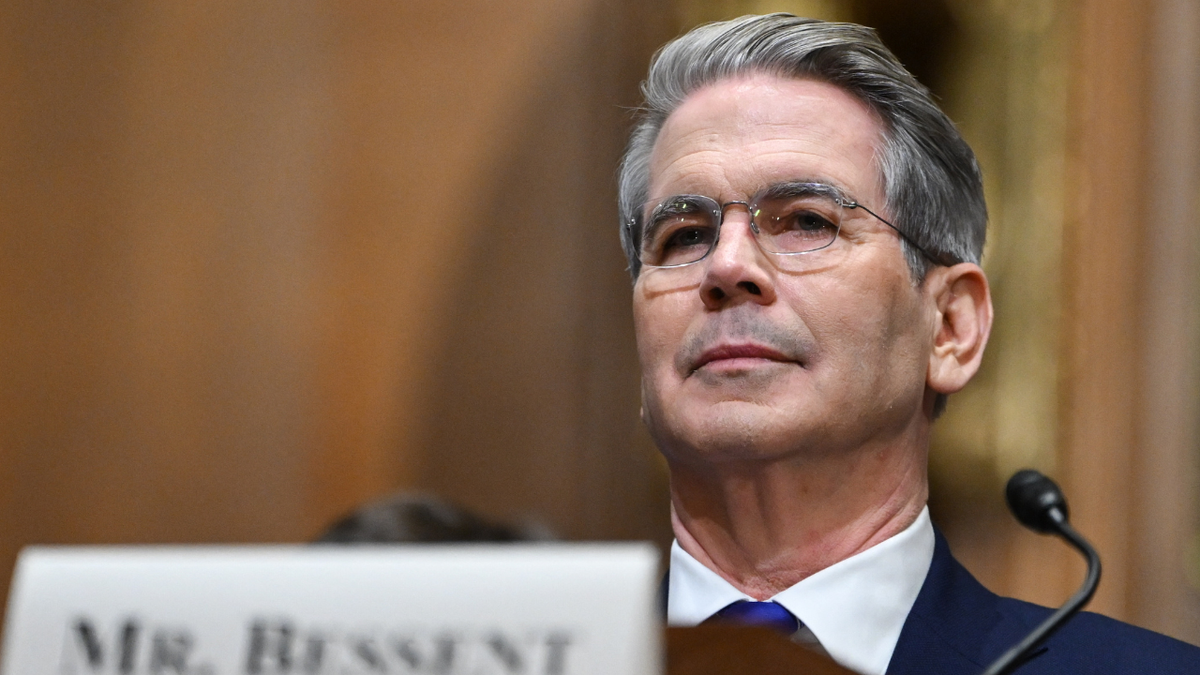
Oil prices dropped Monday after U.S. Treasury Secretary Scott Bessent authorized Iranian oil sales through August. This 60-day sanctions waiver, part of an interim agreement to end the Middle East conflict, pushed West Texas Intermediate to $73.60 a barrel, its lowest level since March 2.
The West Texas Intermediate (WTI) contract for August delivery fell 3% on Monday, according to Dow Jones Market Data. This marks the seventh consecutive trading day of losses for the U.S. benchmark, the longest losing streak since July 2025.
Brent crude for September delivery also declined 3.5% to $77.27 a barrel. Both benchmarks are now tracking toward their lowest settlement levels since March 2, which was the first trading day following the start of the Iran war on Feb. 28.
Why are oil prices falling?
Prices are retreating as the U.S. Treasury Department waived sanctions on Iranian oil for 60 days. Treasury Secretary Scott Bessent stated on X that the decision follows “productive talks” between Washington and Tehran in Switzerland over the weekend.
Mediators from Qatar and Pakistan issued a joint statement Monday morning confirming that the U.S. and Iran agreed to a roadmap aimed at reaching a final deal within 60 days. This diplomatic progress suggests the global market may avoid critically low crude supply levels.
The price drop has impacted consumers directly. The American Automobile Association reported that the national average for a gallon of regular gasoline fell to $3.9290 on Monday, dropping below the $4 threshold.
How is the Strait of Hormuz traffic recovering?
Marine traffic is increasing but remains below pre-crisis norms. Data from Kpler shows a sharp rise in crossings, though volumes were still 14 crossings lower than the previous weekend.

Kpler analysts Ana Subasic and Yuan Li noted in a Monday client note that negotiations remained volatile over the weekend. They stated that while the recovery reflects the new interim framework, traffic through the passage is still far below levels seen before the conflict.
What happens next for crude oil prices?
Further price declines may be limited by existing market imbalances. Fawad Razaqzada, a global macro market analyst at StoneX, told MarketWatch that disruptions in the Strait of Hormuz have tightened global markets and reduced available inventories.
Razaqzada noted that WTI traded in the $65-$66 per barrel range prior to the war. He suggested this region could provide meaningful support if prices continue to retreat, but he cautioned that WTI may not continue heading south indefinitely.
Frequently Asked Questions
What is the current price of WTI crude?
The most-active West Texas Intermediate contract for August delivery was at $73.60 a barrel on Monday.
How long will the U.S. allow Iranian oil sales?
The Treasury Department has authorized Iranian oil sales through August as part of a 60-day sanctions waiver.
What is the goal of the current diplomatic roadmap?
According to mediators from Qatar and Pakistan, the U.S. and Iran have agreed to a roadmap to reach a final deal within 60 days.
Do you believe a final deal within 60 days will stabilize global energy markets?