

UAE: opportunities for Swiss blockchain companies
The United Arab Emirates currently operates a decentralized regulatory framework for digital assets, characterized by jurisdiction-specific oversight from bodies like the Virtual Assets Regulatory Authority (VARA) in Dubai and the Financial Services Regulatory Authority (FSRA) in Abu Dhabi. While no single federal blockchain law exists, firms must align operations with the specific mandates of the UAE’s financial free zones or federal regulators depending on their service scope.
How is the UAE’s digital asset regulation structured?
Regulatory authority in the UAE is split among several specialized bodies, each governing distinct aspects of the virtual asset ecosystem. According to industry data, Dubai’s VARA serves as a dedicated supervisor for virtual assets, while the Abu Dhabi Global Market (ADGM) and the Dubai International Financial Centre (DIFC) manage their own internal innovation frameworks and financial service regulations through the FSRA and DFSA, respectively.
At the federal level, the Securities and Commodities Authority (SCA) oversees broader virtual asset activity, while the Central Bank of the UAE maintains authority over payment tokens and stablecoins. This fragmented approach requires businesses to confirm which specific license applies to their operations before entering the market.
Unlike centralized regulatory models seen in other nations, the UAE uses a “sandbox” style approach in free zones like the ADGM RegLab, allowing firms to test blockchain-based financial services under closer regulatory supervision before a full rollout.
Do B2B technology providers need a local license?
A foreign technology vendor generally does not require a UAE virtual-asset license if its activities are strictly limited to providing infrastructure to a licensed institution. According to industry guidance, the necessity for a license depends on whether the vendor touches regulated services, such as custody, wallet control, or staking.
If a vendor facilitates token issuance, brokerage, or client-facing digital asset services, the boundary of “infrastructure supply” is crossed. Legal experts advise that any solution involving payment tokens or direct asset management requires a site-specific legal review to ensure compliance with local financial standards.
Which sectors are seeing the most blockchain adoption?
The UAE’s digital asset ecosystem is currently concentrated in finance-adjacent sectors. Market activity is most visible in digital asset exchanges, custody services, and tokenization projects, according to recent sector analysis. While these areas show high maturity, non-financial enterprise blockchain adoption remains limited.
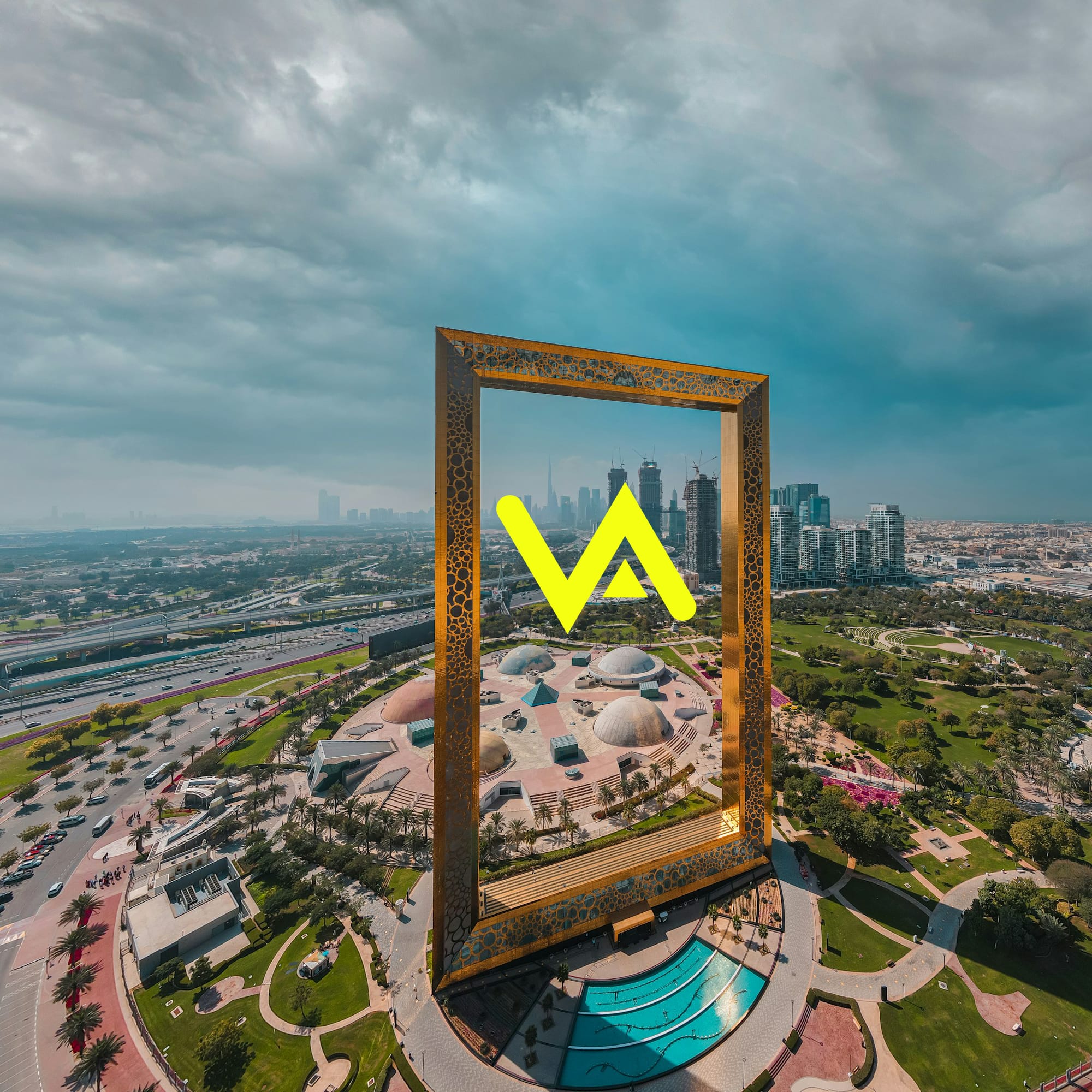
The following table outlines the current regulatory landscape for entities operating in the region:
| Regulator | Focus Area |
|---|---|
| VARA | Dubai Virtual Assets |
| ADGM/FSRA | Abu Dhabi Financial Free Zone |
| DIFC/DFSA | Dubai Financial Free Zone |
| Central Bank of the UAE | Stablecoins & Payment Tokens |
Before deploying blockchain infrastructure, map your specific data flows against the Central Bank of the UAE’s guidelines for stablecoins to avoid accidental regulatory overlap.
Frequently Asked Questions
- Is there a federal blockchain law in the UAE? No, regulations are currently handled by a combination of federal authorities and free zone regulators.
- Do I need a license to sell blockchain software to a UAE bank? It depends on whether your software holds assets or executes transactions; if it is purely backend infrastructure, a license may not be required.
- What is the difference between VARA and the ADGM? VARA is specifically focused on Dubai’s virtual asset licensing, whereas the ADGM operates its own financial-services innovation framework in Abu Dhabi.
Are you expanding your blockchain operations into the Middle East? Subscribe to our newsletter for ongoing updates on regulatory shifts in the UAE or leave a comment below to share your experience with local licensing.