

UAE struck Iran dozens of times with US, Israeli intelligence
UAE’s Escalating Role in the Middle East: A New Era of Regional Alliances and Conflict
The UAE’s Strategic Shift: From Neutrality to Coordinated Strikes
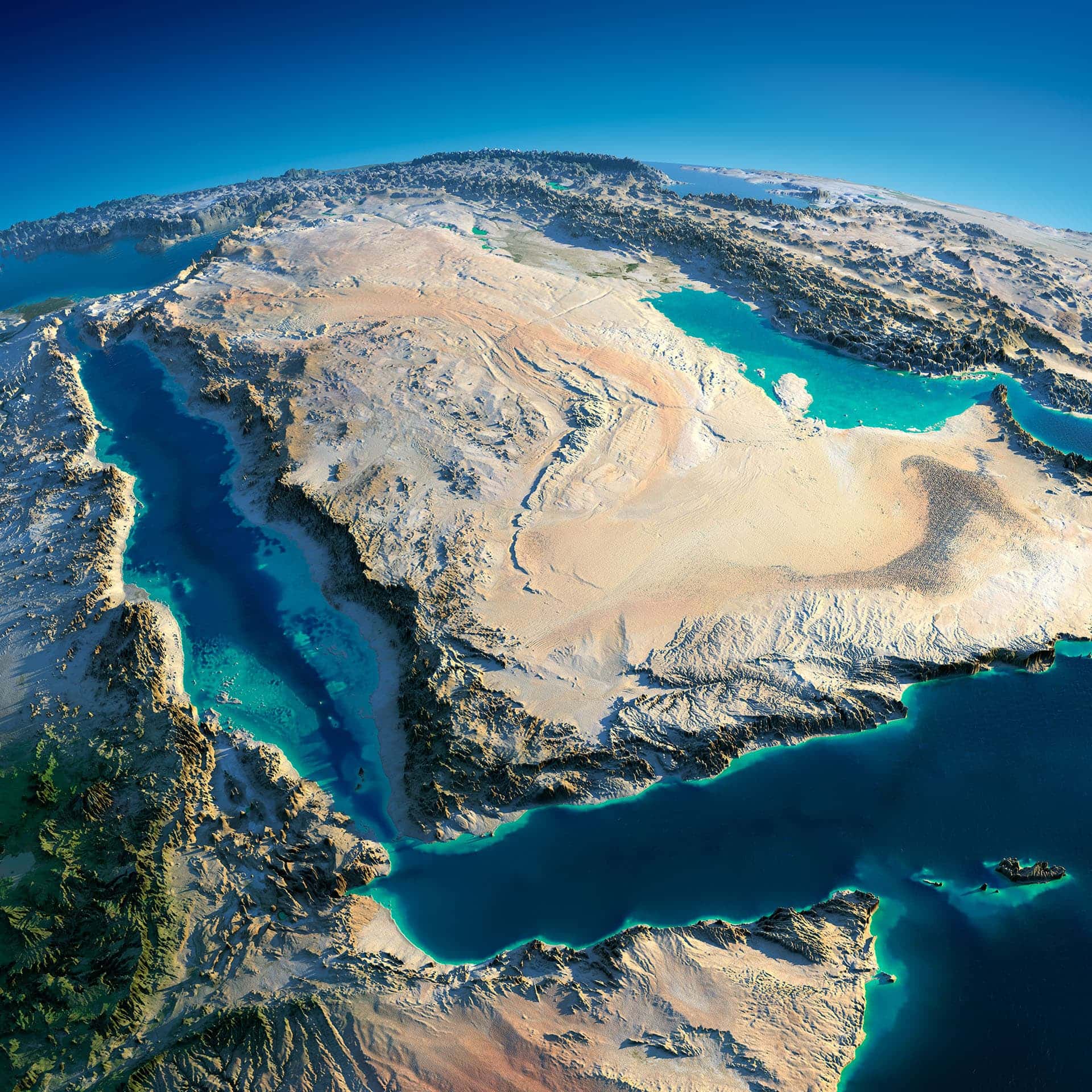
The United Arab Emirates (UAE) has undergone a dramatic transformation in its approach to regional security, shifting from a cautious stance to active participation in military operations against Iran. According to the Wall Street Journal, the UAE conducted multiple airstrikes on Iranian energy infrastructure, targeting key locations such as Qeshm and Abu Musa islands in the Strait of Hormuz, Bandar Abbas, and the Lavan Island oil refinery. These strikes came in response to Iran’s unprecedented attack of over 2,800 missiles and drones, the largest such campaign against any country, including Israel.
Cooperation with the US and Israel: A Game-Changer
The UAE’s military actions were not undertaken in isolation. The nation coordinated closely with the United States and Israel, leveraging intelligence shared by both allies. This collaboration marked a significant departure from the Gulf states’ initial reluctance to allow their territories to be used for attacks. The Jerusalem Post reported that the UAE’s shift in policy followed Iranian strikes on Gulf infrastructure, prompting a reevaluation of regional security dynamics.
One of the most controversial operations involved a joint strike on the Asaluyeh petrochemical complex, which drew sharp criticism from the international community. U.S. Former President Donald Trump publicly urged Israel to halt such attacks, highlighting the delicate balance of alliances in the region.
Israel-UAE Ties: A Deepening Alliance
The UAE’s growing partnership with Israel has reshaped the Middle East’s geopolitical landscape. The Wall Street Journal noted that Israel has deployed Iron Dome batteries and military personnel to the UAE, signaling a strategic pivot. High-profile visits by Israeli officials, including Mossad Director David Barnea and IDF Chief of Staff Lt.-Gen. Eyal Zamir, underscored the depth of this collaboration.
Despite the UAE’s initial denial of Prime Minister Benjamin Netanyahu’s visit, his spokesperson later confirmed the trip, reflecting the complexities of maintaining secrecy in such sensitive operations. This alliance has not only bolstered the UAE’s defence capabilities but also challenged traditional Gulf state dynamics.
Regional Tensions: Saudi Arabia and the Gulf Rivalries
The UAE’s aggressive posture has strained relations with its Gulf neighbours. Saudi Arabia, in particular, has criticized the UAE for escalating tensions with Iran. A Bloomberg report revealed that UAE President Sheikh Mohamed bin Zayed (MBZ) expressed frustration with Saudi Arabia and Qatar for refusing to coordinate a military response to Iranian attacks.
This friction culminated in the UAE’s withdrawal from OPEC and OPEC+ in late April 2025, a move seen as a strategic effort to assert independence from regional rivals. The decision also coincided with the UAE’s deepening ties with Israel, further complicating the Gulf’s already fragile alliances.
International Reactions and Geopolitical Implications
The UAE’s actions have drawn both praise, and condemnation. While the U.S. Has largely supported the UAE’s efforts to counter Iranian aggression, concerns about civilian casualties and the risk of broader conflict persist. The international community remains divided, with some fearing that the UAE’s strikes could provoke a catastrophic Iranian retaliation.
Case Study: The Asaluyeh Strike and Its Aftermath
The 2025 attack on the Asaluyeh petrochemical complex serves as a critical case study in the evolving conflict. The strike, carried out in coordination with Israel, caused significant damage and sparked global outrage. Israeli Prime Minister Netanyahu later claimed the operation was conducted unilaterally, a statement that fueled skepticism about the true extent of U.S.-Israel-UAE cooperation.
The incident also highlighted the risks of targeting energy infrastructure, which can have far-reaching economic and environmental consequences. Analysts warn that such actions could destabilize global oil markets, particularly given the strategic importance of the Strait of Hormuz.
Future Trends: What’s Next for the Middle East?
As the conflict between Iran and the UAE continues, several trends are likely to shape the region’s future:
- Increased U.S.-Israel-UAE Collaboration: The tripartite alliance is expected to strengthen, with further military and intelligence-sharing agreements.
- Regional Power Struggles: Tensions between the UAE and Gulf states like Saudi Arabia may intensify, potentially leading to new diplomatic or economic confrontations.
- Energy Security Concerns: The targeting of energy infrastructure could prompt a global push for alternative energy sources and enhanced security measures in the Strait of Hormuz.
Did You Know?
The UAE’s 2025 airstrikes marked the first direct military engagement between the nation and Iran, a significant departure from its previous role as a neutral mediator in the region.
Frequently Asked Questions
Why did the UAE launch airstrikes against Iran?
The UAE targeted Iranian energy sites in retaliation for Iran’s massive missile and drone attacks on its oil and gas infrastructure. The strikes were part of a coordinated effort with the U.S. And Israel to deter further Iranian aggression.
What role is Israel playing in the conflict?
Israel has provided military support to the UAE, including Iron Dome systems and personnel. The two nations have also conducted joint strikes, such as the 2025 attack on the Asaluyeh petrochemical complex.
How are Gulf states reacting to the UAE’s actions?
Saudi Arabia and Qatar have criticized the UAE for escalating tensions, while other Gulf states remain cautious. The UAE’s withdrawal from OPEC+ reflects its growing independence from regional rivals.
Pro Tips for Staying Informed
Monitor developments in U.S.-Israel-UAE defence agreements and track the impact of the UAE’s OPEC+ withdrawal on global oil