
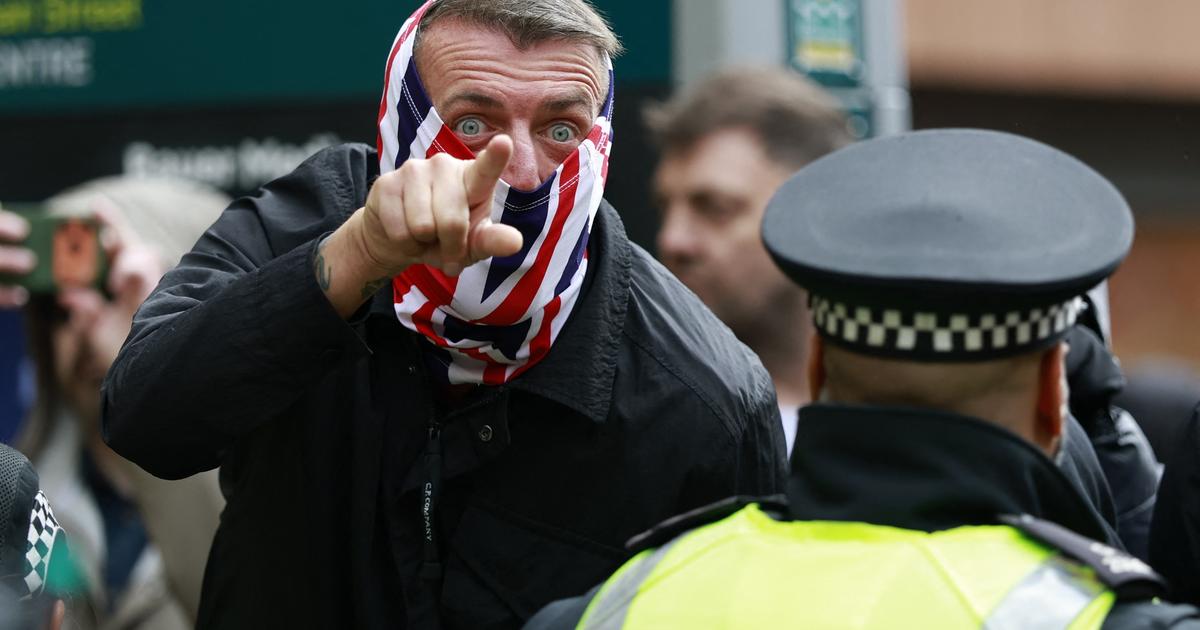
UK Anti-Immigration Unrest: The Rise of Popular Anger
The United Kingdom is experiencing a surge in violent anti-immigration sentiment, shifting from a history of civic moderation toward active social unrest. Reports from Belfast to London indicate that crimes committed by foreign nationals now trigger rapid, organized protests led by figures like Tommy Robinson and Nigel Farage, according to recent investigative findings.
Why is anti-immigration violence increasing across UK cities?
Violence often spikes following specific criminal events that act as catalysts for broader grievances. In Belfast, a knife attack perpetrated by a Sudanese refugee sparked immediate protests. These events aren’t isolated; similar patterns of anger have emerged in Glasgow, Southampton, and London.
The unrest is driven by a rejection of “mass immigration,” a sentiment that has moved from the fringes of politics into the streets. Protesters frequently use slogans like “We will never submit,” signaling a breakdown in trust between the public and state authorities.
How does the “betrayal of the national contract” fuel populism?
A growing segment of the British population believes the political elite betrayed a “national contract.” This feeling stems from a combination of economic decline, known as déclassement, and specific social scandals, including the “grooming gangs” controversy.
Nigel Farage has capitalized on this sentiment, positioning himself as the voice of those who feel ignored by the establishment. The contrast is sharp: while the UK was long viewed as a bastion of civic moderation, it now faces a level of popular anger that the investigation describes as unique in Europe.
The Role of Digital Mobilization
Social media accelerates the transition from a local crime to a national riot. Information—and misinformation—about the nationality of suspects spreads instantly, allowing figures like Robinson to mobilize crowds before official police reports are even released.
What future trends will shape UK social stability?
The shift from verbal protest to “muscled protest” suggests a trend toward more frequent, spontaneous urban clashes. As the perception of “mass immigration” grows, the threshold for what triggers a riot is lowering.
Analysts point to a widening gap between the urban elite and the working class in northern England and Northern Ireland. If the feeling of betrayal persists, populist movements are likely to move beyond electoral politics and further into direct-action street movements.
Comparing the “Old” UK vs. the “New” Unrest
The current climate represents a significant departure from previous decades of British social behavior.
| Feature | Traditional Civic Image | Current Trend |
|---|---|---|
| Response to Crisis | Civic moderation / Legal protest | Violent riots / Street confrontation |
| Key Drivers | Policy debate / Economic shifts | Identity / “National Betrayal” |
| Leadership | Mainstream political parties | Populist figures (Farage, Robinson) |
Frequently Asked Questions
What is the “national contract” in the UK context?
It refers to the unwritten agreement that the state will protect the interests, culture, and economic stability of its citizens in exchange for civic loyalty.
Who is Tommy Robinson?
Born Stephen Yaxley-Lennon, he is a prominent far-right activist who organizes protests against immigration and Islam in the UK.
Why are cities like Belfast and Glasgow mentioned?
These cities have seen recent spikes in unrest following crimes linked to foreign nationals, illustrating that the anger spans the entire UK, not just England.
Join the conversation: Do you believe the UK’s political leadership has failed to address the concerns of the working class, or is the current unrest driven primarily by misinformation? Share your thoughts in the comments below or subscribe to our newsletter for more deep-dives into European geopolitics.