
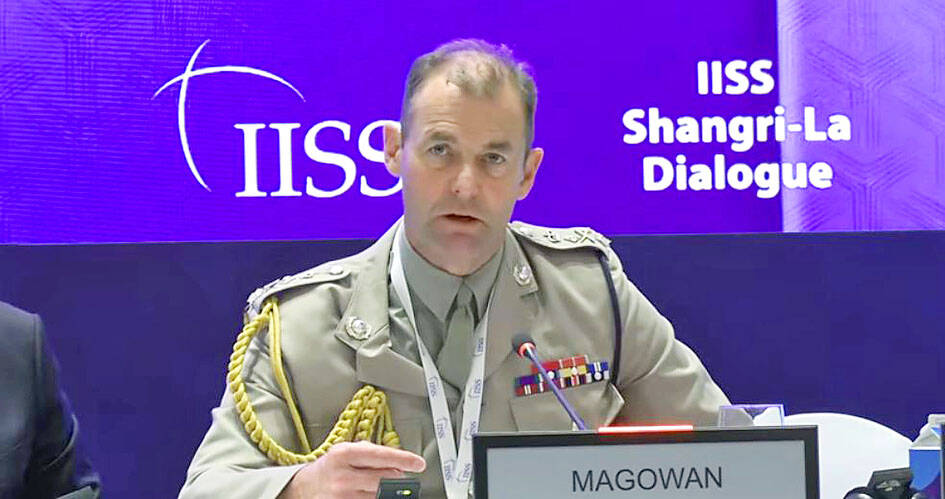
UK defends Strait naval passage
The Battle for the “Global Commons”: Why the Taiwan Strait Matters to the World
For decades, the Taiwan Strait was viewed by many in the West as a localized geopolitical flashpoint. However, recent discourse at the Shangri-La Dialogue reveals a fundamental shift in strategy. The conversation has moved beyond regional stability and into the realm of the “global commons.”
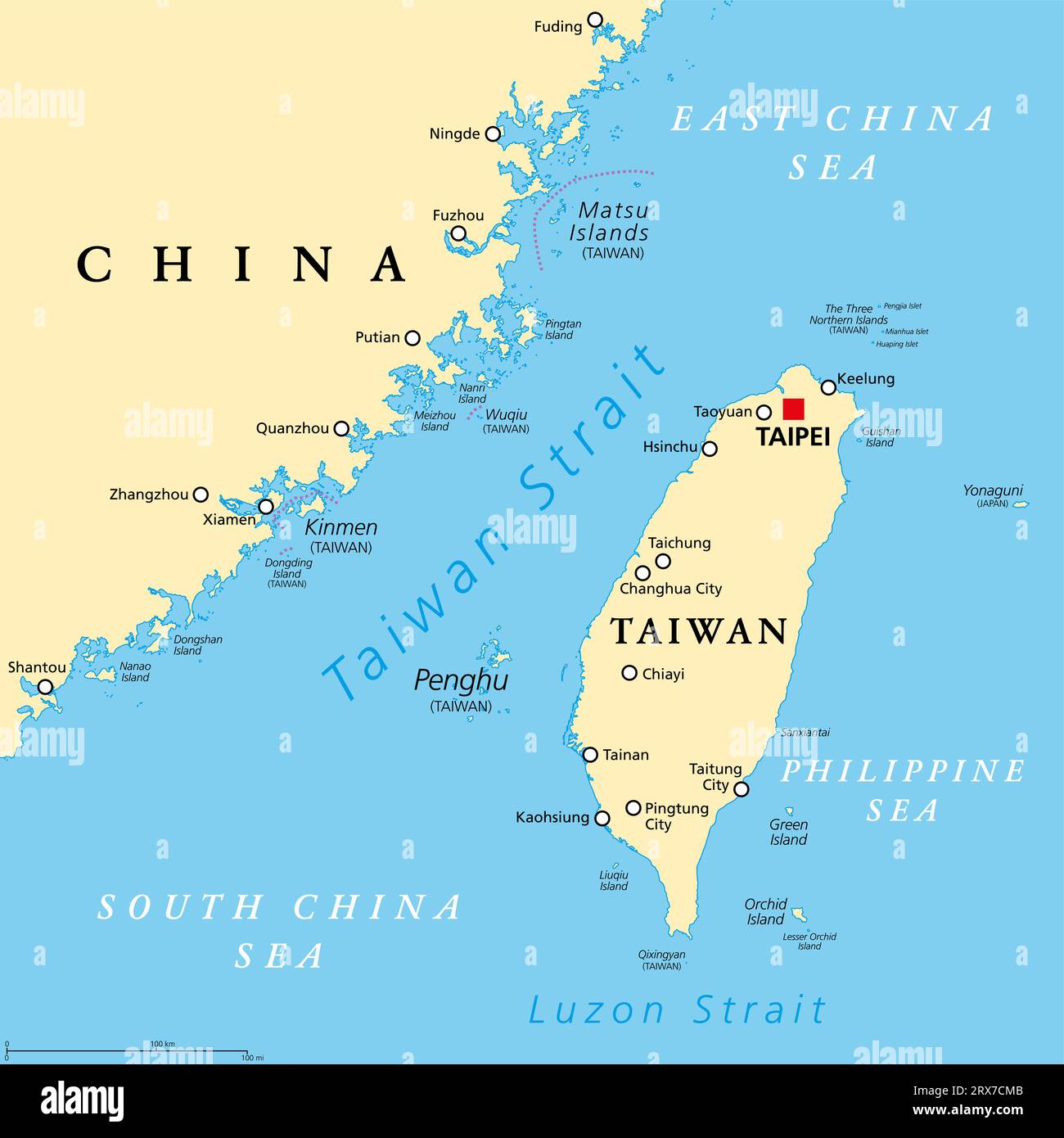
When military leaders, such as the UK’s General Rob Magowan, draw a direct parallel between the English Channel and the Taiwan Strait, they are sending a clear message: the rules of the sea must be universal. If a nation can unilaterally declare a “no-go zone” in the Indo-Pacific, the precedent could eventually threaten trade routes in the North Sea or the Irish Sea.
This framing transforms the Taiwan Strait from a bilateral dispute into a litmus test for the United Nations Convention on the Law of the Sea (UNCLOS). The trend we are seeing is the “globalization” of maritime security, where European powers are no longer content to remain observers but are active participants in upholding freedom of navigation.
The UNCLOS Framework: More Than Just a Legal Document
The reliance on UNCLOS is not accidental. By anchoring their naval presence in international law, the US and UK are attempting to strip the political emotion from their operations. When a Royal Navy vessel transits the Strait, it isn’t framed as a provocation, but as a legal exercise in “freedom of navigation.”
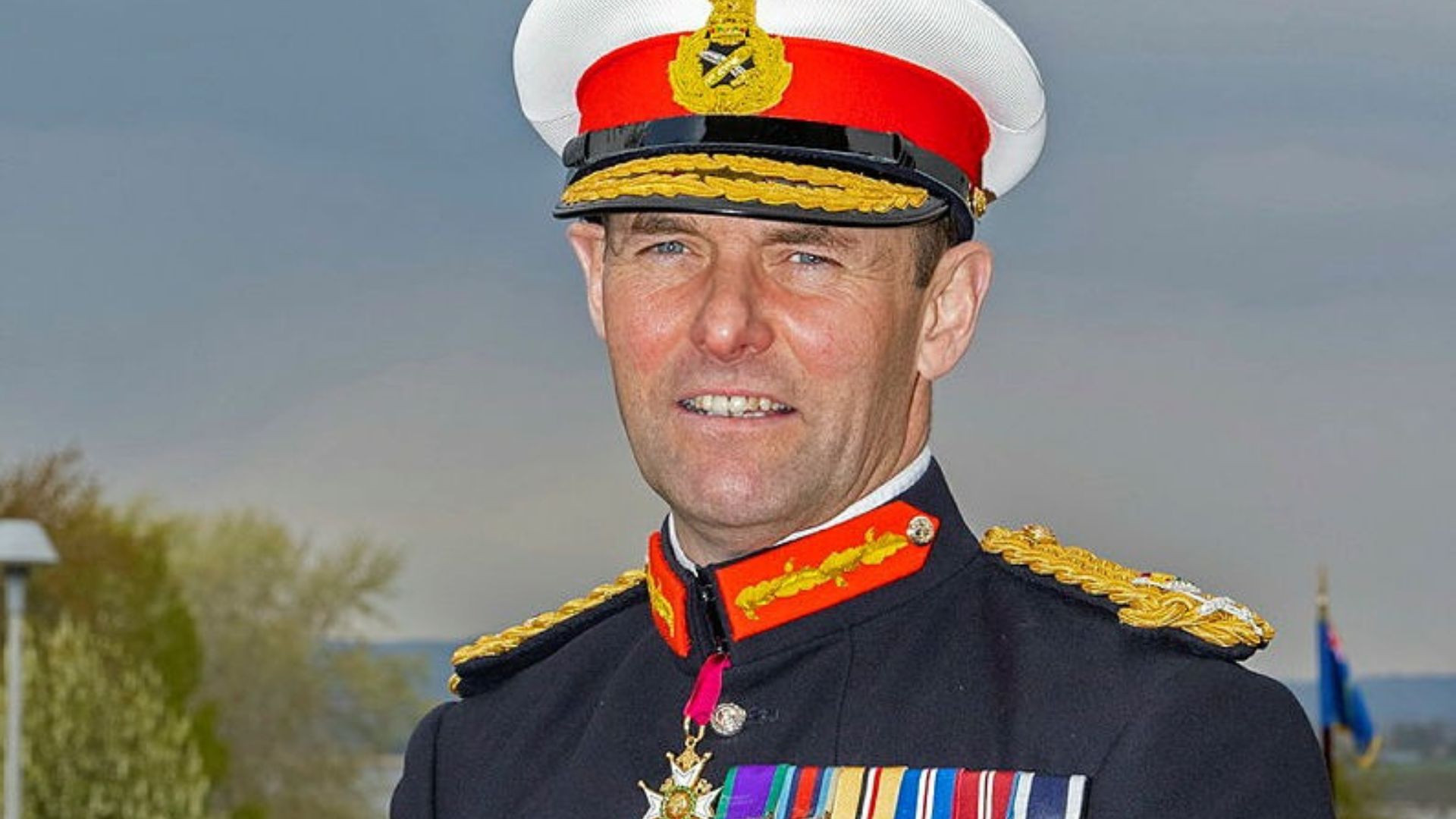
However, this legalistic approach clashes head-on with China’s view of “territorial integrity.” As former Ambassador Cui Tiankai noted, China views the Taiwan Strait not as international waters, but as territory subject to national reunification. This fundamental disagreement on the status of the water is where the highest risk of miscalculation lies.
The UK’s Strategic Pivot: From the English Channel to the Indo-Pacific
The United Kingdom’s “Indo-Pacific Tilt” is evolving from a diplomatic slogan into a permanent military posture. The commitment to “stand with partners when they come under threat” suggests that the UK is preparing for a more intrusive role in Asian security architectures.
This trend indicates a broader Western strategy of “burden sharing.” The US can no longer act as the sole guarantor of security in the Pacific. By integrating the Royal Navy into regional patrols, the West is creating a multilateral deterrent that is harder for any single power to challenge without risking a confrontation with multiple nuclear-armed states.
For businesses and investors, this means that the Indo-Pacific is no longer a “remote” theatre of operations. The security of supply chains in Singapore, Vietnam, and Taiwan is now directly linked to the naval strategies of London and Washington.
China’s Narrative: Territorial Integrity vs. International Access
China’s counter-narrative is rooted in a rejection of what it perceives as “colonial-era” behavior. By labelling foreign naval transits as reminders of colonial days, Beijing is attempting to frame its actions as a struggle for national sovereignty rather than an attempt to disrupt global trade.
The tension here is a clash of two different world orders:
- The Rules-Based Order: Prioritizes international law (UNCLOS) and open access to the global commons.
- The Sovereignty-Based Order: Prioritizes national borders and the right of a state to control its perceived internal waters.
The danger is that as China grows more confident in its naval capabilities, it may move from rhetorical opposition to active blockade. While officials like Cui Tiankai argue that China would be the most harmed by a disruption in trade, the desire for “national reunification” may eventually outweigh economic rationality.
The Fragility of Military-to-Military Communication
Despite the posturing, there is a desperate underlying need for communication. Lieutenant General George Rowell’s admission that military-to-military progress has been “less than satisfactory” is a warning sign. In a high-tension environment, the absence of a “hotline” or a trusted channel of communication can turn a minor collision between ships into a full-scale conflict.
The future trend will likely be a “managed tension”—a state where both sides continue to provoke each other through naval exercises but work feverishly behind the scenes to ensure those provocations do not accidentally trigger a war.
Frequently Asked Questions
What is the “Freedom of Navigation” (FONOP) operation?
FONOPs are naval maneuvers conducted by the US and its allies to challenge what they consider excessive maritime claims by other nations, ensuring that international waters remain open to all.
Why does the UK care about the Taiwan Strait?
The UK views the stability of the Taiwan Strait as essential for global trade and the integrity of international law (UNCLOS). They believe that allowing one region to be closed off sets a dangerous precedent for other vital waterways, including those near Europe.
How does China justify its opposition to foreign ships in the Strait?
China views Taiwan as part of its own territory. It considers foreign military presence in the Strait to be an interference in its internal affairs and a violation of its national sovereignty.
What do you think? Is the “global commons” argument a valid reason for European powers to intervene in the Indo-Pacific, or does it unnecessarily escalate regional tensions? Share your thoughts in the comments below or subscribe to our newsletter for deep-dive geopolitical analysis.
Explore more on maritime security trends or read our latest analysis on the evolving US-China relationship.