

UK Defense Minister Resigns Over Military Spending Dispute
British Defense Minister John Healey has resigned from his position, claiming Prime Minister Keir Starmer failed to provide the resources necessary to defend the country against growing threats. Healey stated in his resignation letter that the Treasury was unwilling to allocate the funding required by the Defense Investment Plan (DIP), which was completed in January.
The resignation occurs one week before a by-election linked to a power struggle for the leadership of the Labour Party. Ed Arnold, a Senior Associate Fellow at the Royal United Services Institute, described the departure as a “seismic moment” for the government.
Why did John Healey resign?
Healey resigned after failing to reach an agreement on future military expenditures. According to Healey, the government presented a DIP on Monday that would increase military spending from 2.6% of the gross domestic product (GDP) next year to 2.68% by 2030.
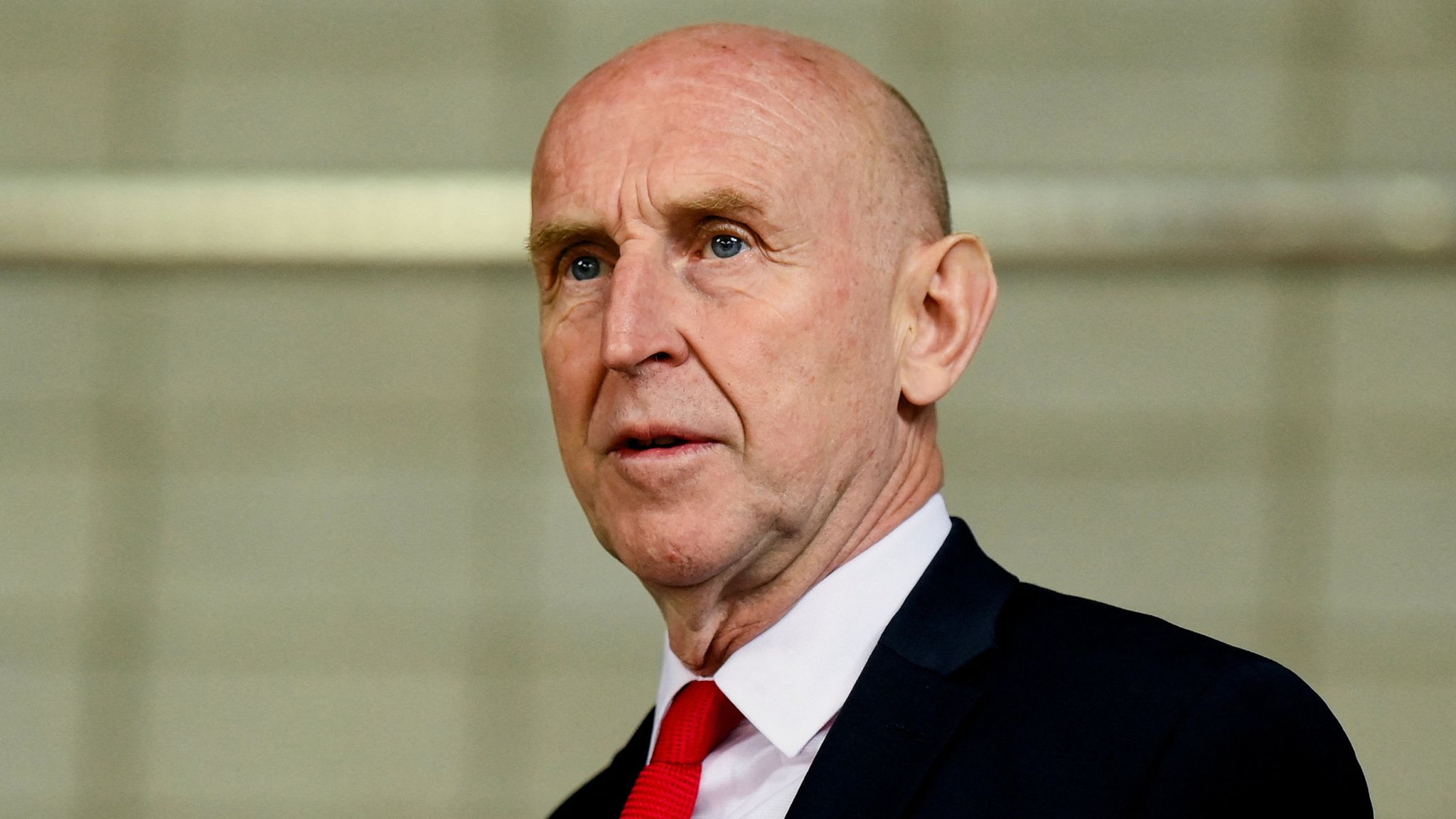
Healey argued this amount is insufficient and maintained that defense spending must reach 3% by 2030, a target he claims has cross-party support. He accused Starmer and the Treasury of delaying the DIP because they could not agree on financing.
How are officials reacting to the resignation?
Sharon Graham, General Secretary of the Unite union, called the spending delays a “national shame” and stated that Healey’s letter revealed “complete chaos” within the government. Labour MP Barry Gardiner described the resignation as a “blow to the government” on X, while affirming Healey’s integrity.
Former Chancellor Jeremy Hunt of the Conservative Party called Healey “very brave and principled.” Hunt suggested that any rapid acquisition of the necessary funds would likely require a reform of the welfare state.
What is the broader context of government departures?
Healey is the sixth government member to resign within a single month. This includes Health Minister Wes Streeting, who stepped down on May 14 to advocate for a change in party leadership.
What may happen next?
The government could face further instability as the Labour leadership power struggle continues toward the upcoming by-election. Depending on Treasury decisions, the government may be forced to consider welfare reforms to meet the 3% spending target advocated by Healey and other parties.
Frequently Asked Questions
What specific spending target did John Healey want?
Healey stated that defense spending should reach 3% of the GDP by 2030.
Who else has resigned from the government recently?
Six members have resigned in a month, including Health Minister Wes Streeting on May 14.
What was the Treasury’s proposed spending increase?
The proposal suggested increasing military spending from 2.6% of the GDP next year to 2.68% by 2030.
How should a government balance national defense spending with social welfare costs?